Korean Baby Names & Saju: The Ancient Tradition Behind the Name
Discover how Korean parents use Saju and the Five Elements to choose baby names, a tradition that still shapes modern Korea today.

How Korean Parents Choose Baby Names Using Saju: The Tradition That Still Shapes Modern Korea
If you've ever wondered why Korean names feel so intentional, so layered with meaning, there's a reason for that. In Korea, naming a child isn't just a personal choice, it's a ritual. And for millions of families, that ritual runs through Saju, the ancient Korean Four Pillars of Destiny system. The idea is simple but profound: your birth chart reveals what elemental energy you're missing, and your name can help supply it.
I've had clients come to me for a free reading after naming their children this way, sometimes years later, wanting to understand why the name was chosen and whether it actually "worked." The answers are always fascinating.
This tradition isn't fringe. It isn't dying out. Walk into any major city in Korea today and you'll find grandparents insisting a naming specialist be consulted before the baby registry is filed. Even young, secular Korean parents who've never thought about astrology in their lives will often pause and say, "Well, we should probably check the Saju."
The Logic Behind Choosing Baby Names with Saju
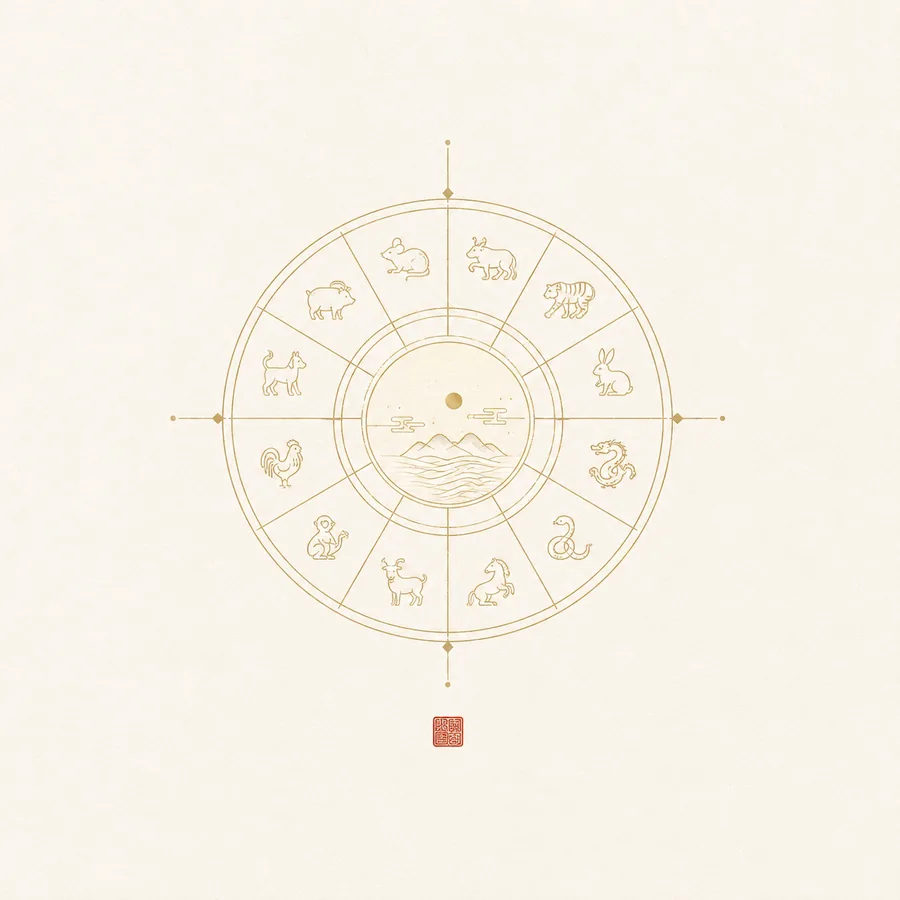
Here's the core idea. In Korean Saju (사주, Four Pillars of Destiny), every person is born with a chart made up of four pillars: Year, Month, Day, and Hour. Each pillar contains a Heavenly Stem and an Earthly Branch, and together they encode the Five Elements (오행 Ohaeng), Wood, Fire, Earth, Metal, and Water.
The balance of these elements in your chart determines a lot. Too much of one element, and certain aspects of life become difficult. Too little, and you lack the energetic support you need to thrive.
This is where the name comes in. In Korean naming tradition, the written characters (hanja, or Chinese characters) that form a name each carry elemental energy based on their stroke count and radical components. A naming specialist, often called a 작명가 (jangmyeongga), analyzes a baby's Saju chart and recommends name characters that supply the missing element or support the most vulnerable part of the chart.
It's essentially prescriptive elemental medicine, applied through language.
How It Actually Works: A Real Example
Let me walk you through what this looks like in practice.
Say a baby girl is born in early spring. Her chart is heavily loaded with Wood energy. That might sound great, Wood is the element of growth, upward movement, new beginnings. But too much Wood, unchecked, can lead to frustration, impulsiveness, and difficulty staying grounded. In the productive cycle (상생), Wood feeds Fire, which feeds Earth. So a skilled practitioner might look at her Day Master (일간 Ilgan), the core of her identity, and determine that she needs either Fire to channel the Wood's energy outward, or Earth to give her something to push against and build.
The naming specialist then looks for hanja characters associated with Fire or Earth energy. A name like 지은 (Jieun), using characters with meanings rooted in brightness or warmth, might be suggested over a name heavy in Wood-radical characters.
This isn't guesswork. The stroke count system assigns each hanja to one of the Five Elements using a specific numerical correspondence. Some practitioners also layer in sound phonetics, whether the name "feels" like a particular element when spoken aloud.
Honestly, the depth of the system still impresses me even after years of working with it.
Why Modern Korean Families Still Do This
You might expect this tradition to have faded with modernization. It hasn't. If anything, there's been a quiet revival among younger Korean generations, especially those who grew up watching their parents or grandparents take naming ceremonies seriously.
There's also a practical dimension. In Korea, changing a name after it's been officially registered is legally complicated. It requires a court petition and a legitimate reason. So parents feel real pressure to get it right the first time. Consulting a Saju practitioner before registering the name isn't superstition, for many families, it's due diligence.
The naming ceremony itself, called 작명 (jangmyeong), often happens within the first few weeks of birth. Some families go to traditional fortune tellers. Others consult Saju apps (yes, there are several popular ones in Korea). Some hire specialists who charge anywhere from the equivalent of $50 to several hundred dollars for a thorough analysis.
The goal is always the same: give the child a name that supports their unique elemental blueprint, not one that works against it.
The Five Elements and What Each Brings to a Name
Here's a quick breakdown of what each element "does" in a name, based on traditional associations:
Wood (목 Mok)
Characters with Wood energy suggest growth, ambition, and forward movement. Great for charts that are light on direction or motivation. But if the chart already has too much Wood, adding more can amplify restlessness or anger issues.
Fire (화 Hwa)
Fire names bring brightness, visibility, and social warmth. Useful for charts that need more outward expression. The Fire element is linked to joy and the radiating, spreading kind of energy, the child who lights up a room. Too much Fire, though, and the person can burn out or seek constant validation.
Earth (토 To)
Earth characters ground the chart. They're associated with stability, nurturing, and reliability. Good for charts that are too dynamic or scattered. Earth types are natural providers, and Earth names give a centering quality to an otherwise volatile chart.
Metal (금 Geum)
Metal names bring precision, depth, and a sense of refinement. Condensing energy. Children with Metal names often carry a certain seriousness or quiet authority. If the chart lacks focus or follow-through, Metal can supply it.
Water (수 Su)
Water names suggest wisdom, adaptability, and inner depth. Water flows downward and inward, it's the element of reflection and intellectual depth. Excellent for charts that need more intuition or patience. For charts already heavy in Water, it can amplify fear or social withdrawal.
If you want to go deeper on how these elements interact in relationships and compatibility, a Saju love reading can show you how your elemental makeup shapes your romantic chemistry with others.
Common Misconceptions About Saju-Based Naming
A lot of people, especially those outside Korea, assume this means Korean names are just made up to satisfy a formula. That's not right at all.
The names are still chosen with genuine meaning in mind. Parents still want names that sound beautiful, carry personal significance, or honor family tradition. The Saju element layer is one filter among several, not a rigid override.
Also, not every Korean family does this. There are plenty of Korean parents who choose names based purely on aesthetics or family naming customs. And plenty of Korean-Americans or diaspora families who've never heard of this practice. It varies a lot by generation, region, and family.
But when it is done, it's done seriously.
Frequently Asked Questions
What is the Saju method for choosing Korean baby names?
The Saju baby naming method involves analyzing a newborn's Four Pillars of Destiny chart (사주) to identify which of the Five Elements (Wood, Fire, Earth, Metal, Water) is weak or imbalanced. A naming specialist then selects hanja (Chinese characters) for the baby's name that carry the missing elemental energy, with the goal of supporting the child's natural fortune.
Do all Korean families use Saju to name their children?
No, not all Korean families use Saju for naming. It varies widely by generation and personal belief. However, the tradition remains genuinely widespread, especially among older generations and families with strong cultural ties. Many younger Korean parents consult Saju practitioners as a cultural gesture even if they're not fully believers.
How are hanja characters linked to specific elements in Saju?
Each hanja character is associated with one of the Five Elements through a combination of stroke count (using a specific numerical system where totals map to elements) and the radical (root component) of the character itself. Naming specialists use this system to calculate the elemental "weight" of potential name characters.
Can a Saju practitioner suggest a name remotely, without seeing the baby?
Yes. Since the reading is based on the birth date, time, and location, a Saju practitioner can analyze the chart and recommend name characters without meeting the child in person. Many families do this online or over the phone, especially Korean diaspora families who want to maintain the tradition while living abroad.
The Name Carries the Energy Forward
There's something genuinely beautiful about this tradition. The idea that a name isn't just a label but a kind of elemental intention, set at the very beginning of a life, to help the child move through the world with a little more support.
In my years of practice, I've seen adults get curious about why their name was chosen, and discover in that story a whole portrait of what their family hoped for them. Sometimes the name really does reflect something true about the person they became. Sometimes the elements didn't quite balance out the way was hoped. But the act of trying, of caring that much at the very start, says something real about how seriously Korean culture takes the idea of fate and its relationship to effort.
If you're curious about what your own chart says about your elemental makeup, or if you're a Korean parent navigating this tradition yourself, start by understanding your own Four Pillars first.
Discover Your Destiny
Curious about your own chart?
Get a free mini reading, then unlock your full Four Pillars report from a certified Saju master.