Korean Matchmaking & Saju Compatibility Before Marriage
Discover how Korean couples use Saju compatibility checks before marriage. Learn what Four Pillars readings reveal about love and partnership.
Korean Matchmaking and Saju Compatibility: What Couples Check Before Saying Yes
If you've ever watched a Korean drama where parents rush to a fortune teller before approving a marriage, that's not just a plot device. That's real life. Korean matchmaking and Saju compatibility checks are still very much a thing in 2024, and honestly, they're more popular than ever among younger generations too. Before you get a free Saju reading to see where you stand, let me walk you through exactly how this works and why so many Korean families take it seriously.
Saju (사주), or Four Pillars of Destiny, uses your birth year, month, day, and hour to map out a person's energetic blueprint. When two people consider marriage, a practitioner reads both charts together to see how their energies interact. It's not about predicting doom or guaranteeing bliss. It's about understanding the patterns, the friction points, and where two people naturally support each other.
I've been doing these readings for over 15 years, and the marriage compatibility reading, called gunghap (궁합), is hands down the most requested session in my practice. Families travel hours for a good consultation. Couples sometimes come in nervous, holding hands, hoping the numbers line up. It's one of the most intimate readings I do.

What Is Gunghap? The Traditional Korean Compatibility Check
Gunghap literally means "palace combination." It's the practice of analyzing two people's Saju charts to assess how well their Four Pillars interact on multiple levels.
This isn't just checking if you're both Tigers or both born in the Year of the Dragon. That's a simplified version people often confuse with actual Saju analysis. True gunghap looks at the ten heavenly stems and twelve earthly branches across all eight pillars combined (four from each person) and examines how the elemental energies clash, combine, or flow together.
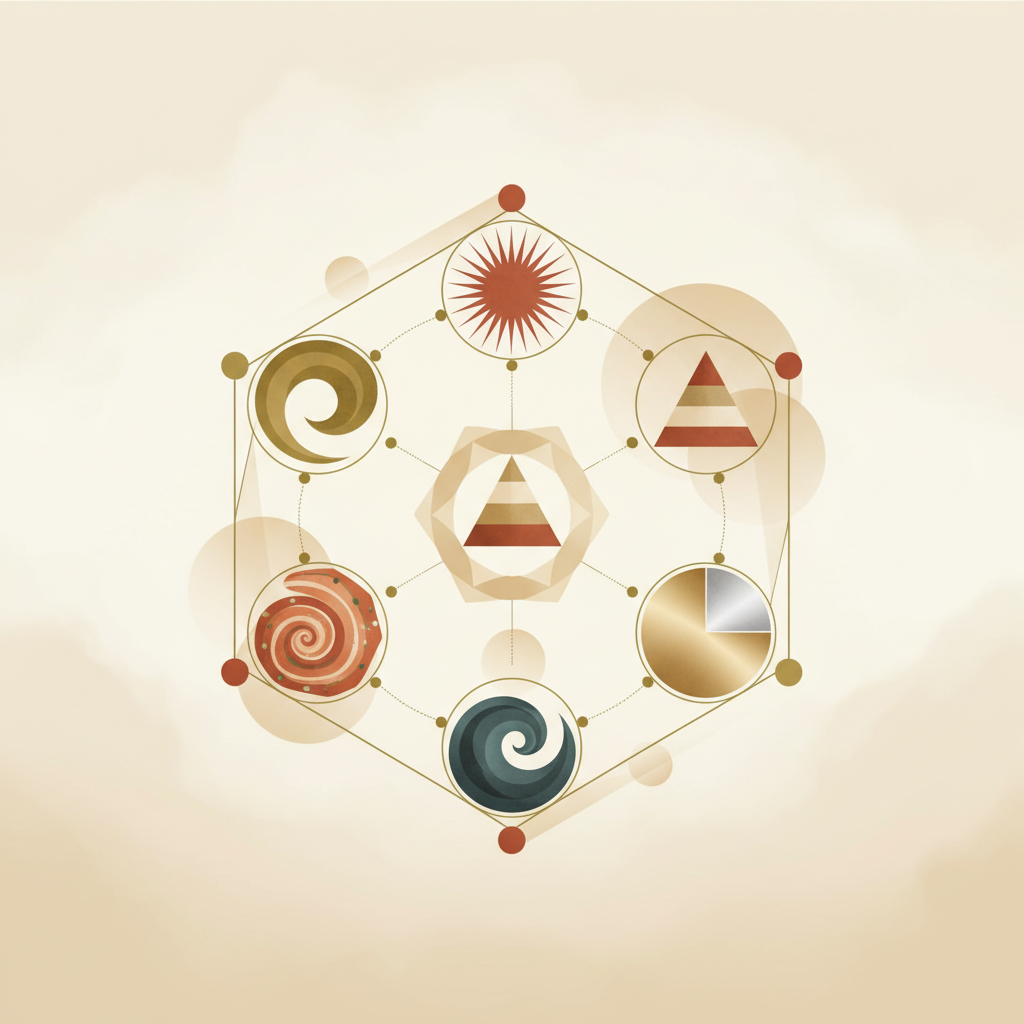
Here's the thing. The animal signs (zodiac) are just one layer. The deeper analysis looks at the dominant elements in each chart: Wood, Fire, Earth, Metal, Water. When someone has excessive Fire energy and their partner carries strong Water, that can mean constant emotional tension or, in some cases, beautiful balance. It depends on the full picture.
A practitioner will also look at special combinations called samhap (삼합) and yukhap (육합), which are groupings of earthly branches that create harmonious energy when found across two charts. Finding these in a couple's combined chart is considered very auspicious.
How Korean Families Actually Use Saju Before Marriage
Let me be real with you. The process looks different depending on the family and how traditional they are.
In older, more conservative Korean families, parents will take their child's birth information (sometimes without even telling the child) to a practitioner before the relationship gets serious. They want to know if the match is worth pursuing. I've had parents come in with three different potential partners' birth dates asking me to rank them. It's a lot.
In younger, more modern Korean couples, the approach is different. They'll come in together, curious and open-minded, treating it kind of like a compatibility quiz but with more depth. They don't always follow the reading like a rulebook, but they want context for their relationship. "Why do we keep having the same argument?" is a question I hear a lot. Often the answer is sitting right there in the charts.
Some families also consult a practitioner to find an auspicious wedding date, a practice called taekil (택일). This is separate from gunghap but often done in the same session. The date of the wedding is believed to set the energetic tone for the marriage itself.
What Saju Compatibility Actually Looks For

So what are practitioners actually analyzing? Let me break this down.
Elemental balance. If both people have the same dominant element, there can be too much of one energy. Two people with heavy Metal energy, for example, might both be strong-willed and stubborn, leading to constant power struggles. The ideal is complementary, not identical.
Day Master interaction. Your Day Master is the heavenly stem of your Day Pillar, and it's considered your core self in Saju. How your Day Master interacts with your partner's Day Master is one of the most important factors in a compatibility reading. Some combinations naturally support each other. Others create friction that takes real work to manage.
Clash and harm relationships. Certain earthly branches are known to "clash" when placed together. The most famous is the direct clash between opposite signs, like Rat and Horse, or Rabbit and Rooster. A clash doesn't automatically mean the relationship is doomed, but it does signal areas of tension that need awareness.
Year Pillar dynamics. In Korean tradition, the Year Pillar connects to your family and public life. Compatibility here can reflect how the couple is perceived socially and how families blend.
If this is making you want to go deeper into the system itself, the free Saju ebook is a great starting point for understanding these foundational concepts.
Does a Bad Gunghap Mean You Shouldn't Marry?
Honestly, no. And I say this as someone who has done thousands of these readings.
A difficult gunghap isn't a verdict. It's information. I've seen couples with textbook-bad charts build incredibly strong marriages because they were self-aware and committed. And I've seen "perfect" gunghap charts where the couple divorced within three years because they never actually did the work.
What a challenging reading does is highlight the specific areas where two people will likely struggle. Maybe the Fire and Water clash means emotional blow-ups followed by passionate reconciliation. Maybe one person's chart is excessively strong while the other's is weak, creating an imbalance in decision-making power. Knowing this ahead of time isn't scary, it's useful.
That said, there are certain combinations traditional practitioners consider seriously problematic, especially when combined with weak individual charts. In those cases, experienced masters might suggest remedies: specific rituals, adjusting the wedding date to a more supportive energy, or simply counseling the couple on what to prepare for.
If you're curious about how your birth chart interacts with someone you love, a Saju love reading can give you that specific analysis.
Korean Matchmaking in the Modern Era: Apps, Agencies, and Still Some Saju
Modern Korean dating culture has apps like Noon Dating and agencies called gyeolhon jeongbo hoesa (결혼정보회사), which are professional matchmaking companies. The big ones like Duo and Gayeon match people based on education, income, and family background first.
But here's what's interesting: even within these modern matchmaking systems, many clients still privately consult a Saju practitioner after being matched. The agency does the external compatibility check. The fortune teller does the energetic one.
It's not an either-or situation. People want multiple layers of confirmation. And given how high-stakes marriage is emotionally and financially, I honestly get it.
Frequently Asked Questions
What is gunghap in Korean culture?
Gunghap (궁합) is the traditional Korean practice of checking compatibility between two people using their Saju (Four Pillars of Destiny) birth charts before marriage. A practitioner analyzes both charts together to assess elemental harmony, clashes, and overall energetic compatibility.
Is Saju compatibility still used in modern Korea?
Yes, absolutely. While younger generations approach it with more flexibility, Saju compatibility checks are still widely practiced in Korea before marriage. Many couples consult practitioners alongside modern matchmaking services and apps.
Can a bad Saju compatibility reading prevent a marriage?
In traditional families, a very unfavorable gunghap reading can influence decisions. However, most modern Koreans treat it as guidance rather than a final verdict. A skilled practitioner will explain the challenges and may suggest ways to work with difficult chart dynamics.
What information do you need for a Korean Saju compatibility reading?
You need the birth year, month, day, and ideally the birth hour for both people. The birth hour creates the fourth pillar and adds significant depth to any reading, especially for compatibility analysis.
Korean matchmaking and Saju compatibility aren't relics of the past. They're living practices that help people understand themselves and their partners on a deeper level than any personality quiz or dating app can offer. Whether you're curious, skeptical, or somewhere in between, the charts have a way of surfacing things that feel surprisingly true.
Discover Your Destiny
Curious about your own chart?
Get a free mini reading, then unlock your full Four Pillars report from a certified Saju master.
Couple Saju Report
Check your real compatibility, not just the elements.
Get a full individual Saju report for each of you, plus your compatibility reading (궁합) at no extra cost. For couples, crushes, or anyone you want to understand.
Get the Couple Report · $72