What This Viral K-Drama Gets Right About Korean Fortune-Telling (Saju)
A hit Korean drama about a Joseon villainess reborn in modern Seoul keeps touching on fate and fortune-telling. Here's what Korean Saju actually says about destiny, reincarnation, and changing your path.

A Korean drama is sweeping global streaming right now: the story of a notorious Joseon-era villainess whose soul wakes up in the body of a struggling modern actress in Seoul. Beyond the romance and comedy, the show keeps circling back to a deeper question, one that Koreans have asked for centuries.
Is your fate already written? And if it is, can you change it?
That question sits at the heart of Saju (사주), Korean fortune-telling based on the four pillars of your birth. If the drama pulled you in, here's what the real tradition behind those scenes actually teaches.
What Is Saju, Really?
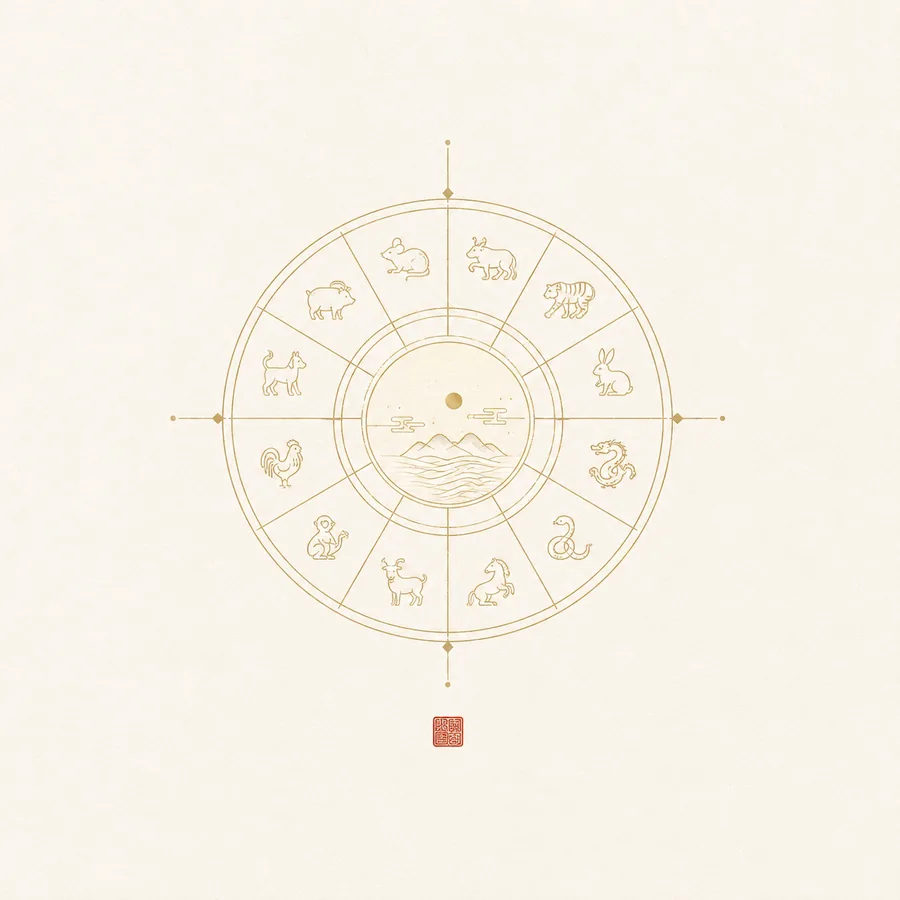
Saju literally means "four pillars." Your year, month, day, and hour of birth each form a pillar, and together they map the energy you were born into. Practitioners read these pillars through the Five Elements (Wood, Fire, Earth, Metal, Water) to understand your nature, your strengths, and the timing of your life.
It is not crystal-ball prophecy. It is closer to reading the weather pattern you were born under, then learning how to dress for it.
The Drama's Big Theme: Is Fate Fixed?
The show plays with a soul carrying her old destiny into a new life. It is fiction, but it points at something Saju takes seriously: the difference between what you are given and what you do with it.
In traditional thought, your birth chart sets the starting conditions. But two ideas keep destiny from being a prison:
- Daeun (대운), the great luck cycles. Your fortune shifts in roughly ten-year seasons. A difficult chart can move into a favorable cycle, and a blessed one can hit hard years. Timing matters as much as the chart itself.
- Choice within the pattern. Knowing your tendencies lets you lean into them or guard against them. The chart describes the river. You still steer the boat.
So when a character agonizes over whether her fate can be rewritten, she is asking the exact question a real Saju reading tries to answer with nuance, not a simple yes or no.
Reincarnation and the Korean View of the Soul
The drama's reincarnation premise feels dramatic, but the idea of a soul moving through cycles is woven into the broader East Asian worldview that shaped Saju. Saju itself focuses on this lifetime, not past ones. Still, both share a core belief: a person arrives carrying something, and the goal is to understand it rather than fight it blindly.
That is why a good reading feels less like a prediction and more like a conversation with the version of yourself you were born to become.
What You Can Take From the Show
You do not need a Joseon villainess's soul to get curious about your own chart. The drama's appeal is that it makes an ancient question feel personal: who am I beneath the role I'm playing, and where is my life actually headed?
A Saju reading answers that with your real birth data, not a screenwriter's plot. It can show you which elements run strong or weak in your nature, which life seasons are arriving, and where your relationships and timing align.
Curious About Your Own Four Pillars?
If the drama left you wondering what your own destiny chart says, you can find out. A personalized Saju reading turns your birth date and time into a real map of your elements, your luck cycles, and the path ahead.

Discover Your Destiny
Curious about your own chart?
Get a free mini reading, then unlock your full Four Pillars report from a certified Saju master.