Yin Fire Day Master Burnout: Best Career Fix
Yin Fire Day Masters burn out in 9-to-5 jobs fast. Here's what Korean Saju says about the career structure they actually need.

Why Yin Fire Day Masters Keep Burning Out at Work (And What Saju Says to Do Instead)
Yin Fire Day Masters burn out at a rate that honestly shocks even them. If you were born with 丁 (Jeong) as your Day Master in Korean Saju, you already know the cycle: you throw yourself completely into a job, produce brilliant work, then one day you just... go dark. The spark dies. And no amount of coffee or motivational podcasts brings it back. Before we get into what actually fixes this, grab your Saju reading to confirm your Day Master, because everything below only applies if you're a true 丁 Jeong person.
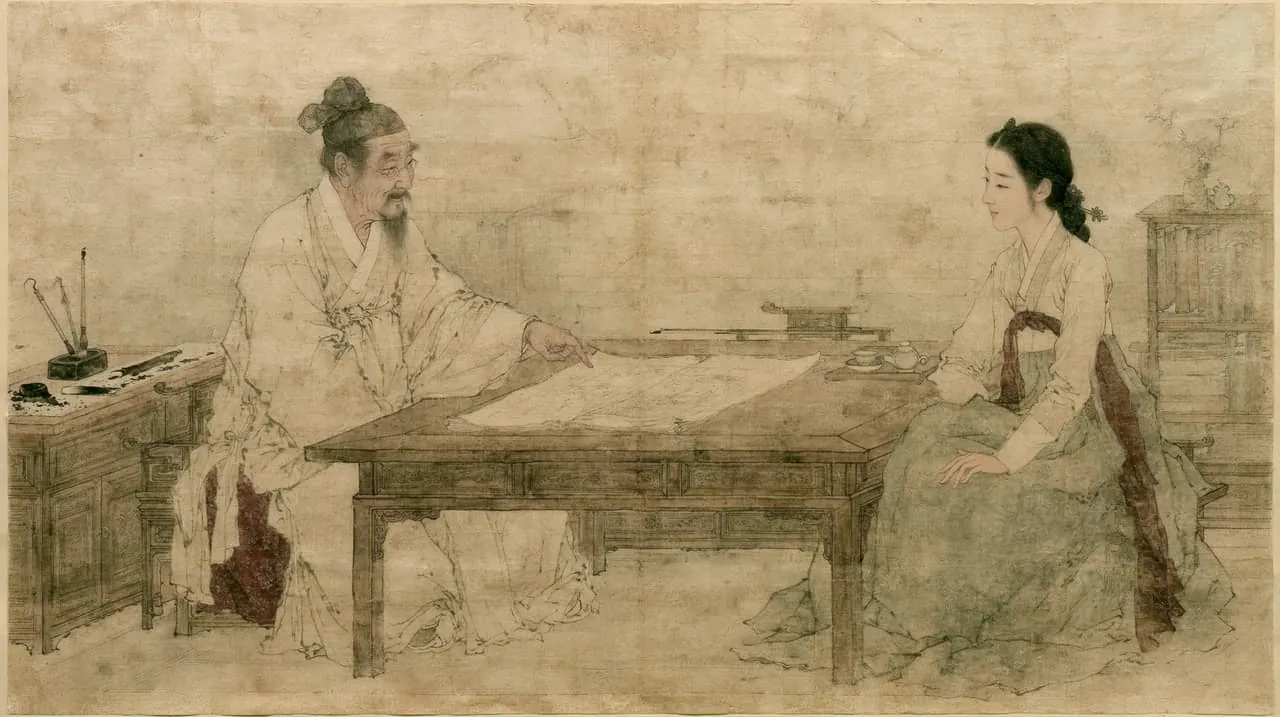
This is one of the most misunderstood patterns I see in readings. Clients come to me frustrated, thinking something is wrong with them. "Why can't I just be consistent like everyone else?" Here's the thing: nothing is wrong with you. Your element has a specific nature, and most 9-to-5 structures are fundamentally incompatible with it.
What It Means to Be a Yin Fire Day Master
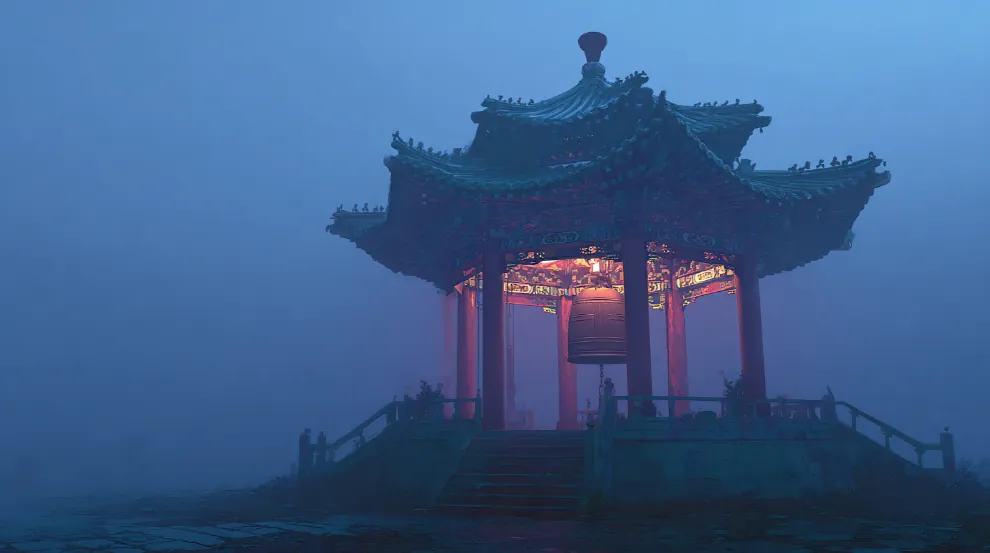
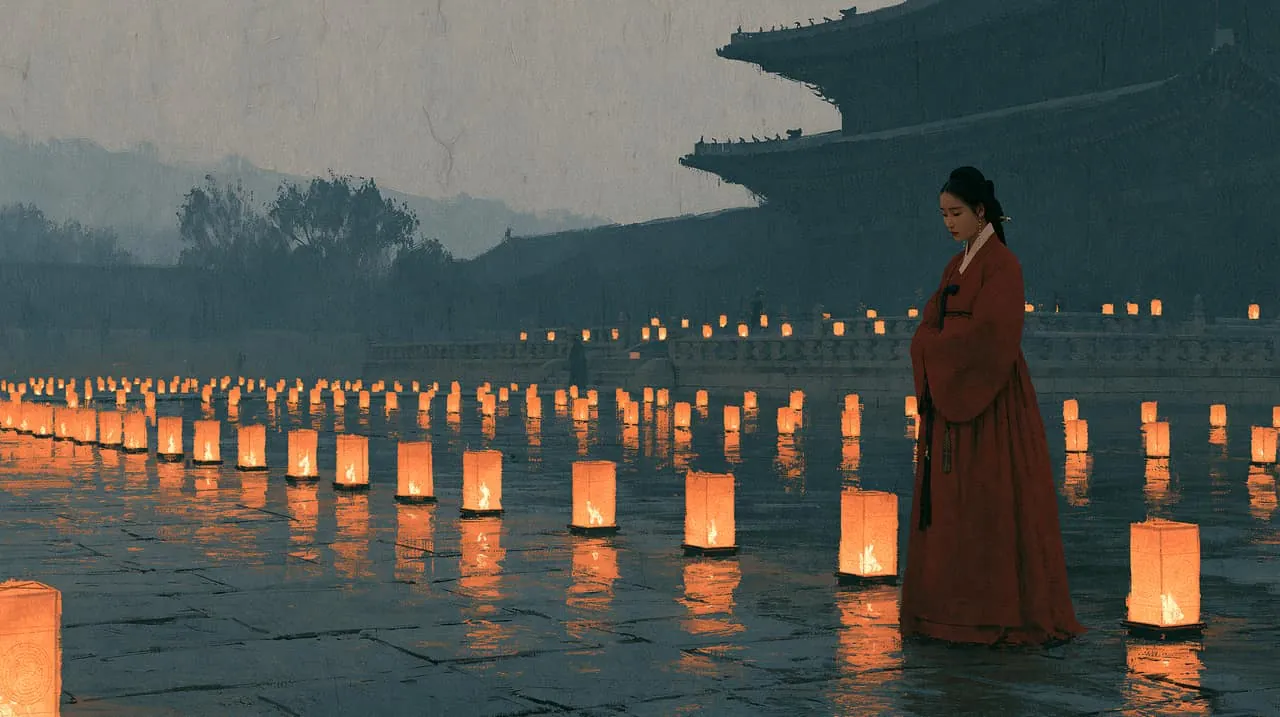
The 丁 Jeong Day Master is the Candle Flame. Not the blazing sun (that's Yang Fire, 丙 Byeong), but something more precise and intimate. Candles don't light entire cities. They illuminate specific corners. They require the right fuel, the right conditions, the right amount of oxygen. Too much wind and they extinguish. Too little, and they suffocate.
In Five Elements theory (오행 Ohaeng), Yin Fire has a radiating quality, but it's controlled and focused. The movement is still spreading, still outward, but it needs to be directed. A 丁 Jeong person's core strength is perceptive, intuitive, intensely focused output. They see things others miss. They care deeply about meaning and craft.
The problem is that this kind of intelligence is not factory-scalable. And most corporate jobs want factory-scalable output.
The Real Reason the 9-to-5 Destroys Yin Fire Energy
Here's something I've noticed after years of reading charts: Yin Fire people don't burn out because they're lazy or weak. They burn out because their energy is genuinely combustive. They give everything in short, intense bursts. Then they need fuel and space to rebuild before the next burn.
Standard office jobs don't account for this. Eight hours a day, five days a week, same tasks, same desk, same Slack notifications. This is the structural equivalent of forcing a candle to burn at maximum flame, continuously, with no wax being added. Of course it goes out.
The emotion tied to Fire in Saju is joy, but when Fire is suppressed or overstretched, joy curdles into something else. For 丁 Jeong specifically, the shadow side is moodiness, overthinking, and a jealous kind of resentment toward people who seem to sustain energy effortlessly. I've heard this from so many Yin Fire clients: "I feel like a fraud because I can't just keep going the way my colleagues do."
You're not a fraud. You're a candle being asked to perform like a floodlight.
The Ten Gods Layer: What's Actually Draining You
If you want to go deeper than just the element, look at your Ten Gods (십신 Sipsin). Most burned-out Yin Fire Day Masters I read have one thing in common: heavy Seven Killings (칠살 / 편관 Pyeongwan) pressure with no Eating God (식신 Siksin) to soften it.
Seven Killings energy is demanding authority. It's the forge-like pressure that either transforms you or shatters you. In a rigid corporate hierarchy with demanding managers, unrealistic KPIs, and constant performance reviews, this energy goes completely unchecked. For a 丁 Jeong person who already internalizes pressure and overthinks, that's a recipe for complete collapse.
The Eating God is the antidote. Literally in Saju theory, Siksin counters Seven Killings pressure. It's the element that represents gentle creativity, natural talent, and the joy of the process itself. When Yin Fire has space to express its Eating God energy (creating, teaching, crafting, nurturing), it functions sustainably. When that outlet is blocked by bureaucracy or monotony, breakdown follows.
This is also why Yin Fire people often thrive in roles that were never their "official" job function. The research analyst who becomes the team's unofficial mentor. The accountant who takes over the internal newsletter. That's their Eating God energy bleeding through.
Career Structures That Actually Work for 丁 Jeong
So what does the right structure actually look like? Based on both Saju principles and what I've watched work in real life, here's what Yin Fire Day Masters consistently need:
Defined depth over constant variety. Yin Fire is not scattered energy. It focuses. Careers in research, psychology, technology, or art give the element what it craves: one thing to illuminate completely. Too many simultaneous projects at similar priority levels is genuinely destabilizing.
Output ownership. The Candle Flame needs to see that its light means something specific. Project-based work, creative direction, case management, anything where you can track the direct impact of your intensity, works far better than being one cog in a large machine.
Irregular rhythms with protected recovery time. This is non-negotiable. A structure where intense sprints are followed by genuine rest is sustainable. One where every week looks identical is not. Freelance, consulting, academic cycles, or roles with clear project phases work well. Standard Monday-through-Friday sameness depletes 丁 Jeong energy faster than almost anything else.
Wood fuel in the environment. In the productive cycle (상생), Wood feeds Fire. Professionally, this translates to mentors, inspiring collaborators, access to learning, and environments that have a sense of purpose and direction. When Yin Fire has Wood to burn, output is steady and meaningful. Without it, the flame starves.
The Love and Relationship Side of Burnout
Worth noting: burnout doesn't stay at the office. When a Yin Fire Day Master is depleted, their relationships suffer hard. The deeply devoted nature of 丁 Jeong becomes possessive and withdrawn. If you're noticing that your work exhaustion is bleeding into how you show up in relationships, that's not a coincidence. The same structural misalignment is causing both. A Saju love reading can show you whether your relational struggles are connected to elemental imbalance, because often they are.
Timing Matters Too: Grand Fortune and Annual Fortune
Even the best career structure won't feel great if your current Grand Fortune (대운 Daeun) is in a Water-heavy period. Water controls Fire in the controlling cycle (상극). A Yin Fire Day Master going through a Water Daeun is already swimming upstream energetically. Add a draining job structure on top, and the burnout feels catastrophic.
On the flip side, if your current 10-year Grand Fortune is in a Wood period, you might be surprised how much more you can sustain right now than you thought possible. This is why timing your career pivots using your Daeun is genuinely useful, not just interesting.
Frequently Asked Questions
What makes Yin Fire Day Masters different from Yang Fire in terms of burnout?
Yang Fire (丙 Byeong) is the Blazing Sun: broad, generous energy that can radiate to many simultaneously. Yin Fire (丁 Jeong) is the Candle Flame, which burns with focused intensity and requires specific conditions to stay lit. Yin Fire burns out from overextension and lack of meaningful depth. Yang Fire burns out more from isolation and lack of audience. The recovery needs are completely different.
Can a Yin Fire Day Master ever thrive in a corporate environment?
Yes, but with conditions. The role needs to have project-based depth, genuine autonomy over their output, and minimal bureaucratic friction. If a 丁 Jeong person is in a corporate role that gives them a defined specialty to master and space to work intensively then rest, they can sustain it. The classic Monday-to-Friday, all-tasks-equal-priority structure is the specific pattern that destroys them.
What careers does Korean Saju actually recommend for 丁 Jeong Day Masters?
Traditional Saju texts point toward research, psychology, technology, art, and writing as natural fits. In modern terms: UX research, clinical practice, software development, investigative journalism, or independent creative work. The common thread is depth over volume and the ability to illuminate a specific thing completely.
How do I know if my burnout is element-related or just a bad job fit?
Look at the pattern. If you've burned out across multiple jobs in different industries but always at the same structural trigger (monotony, loss of meaning, no recovery time built in), that's elemental, not incidental. Checking your Useful God (용신 Yongsin) in your Saju chart will tell you which element your chart most needs for balance, and whether your current work environment is supporting or depleting it.
Yin Fire Day Masters are not broken. They're a specific kind of flame that needs the right wick, the right wax, and the right amount of space to breathe. When they have those things, their output is remarkable in a way that no other Day Master can quite replicate.
If you want to see exactly what your chart says about career structure, timing, and which elements are currently working with or against you, start with the details.
Discover Your Destiny
Curious about your own chart?
Get a free mini reading, then unlock your full Four Pillars report from a certified Saju master.