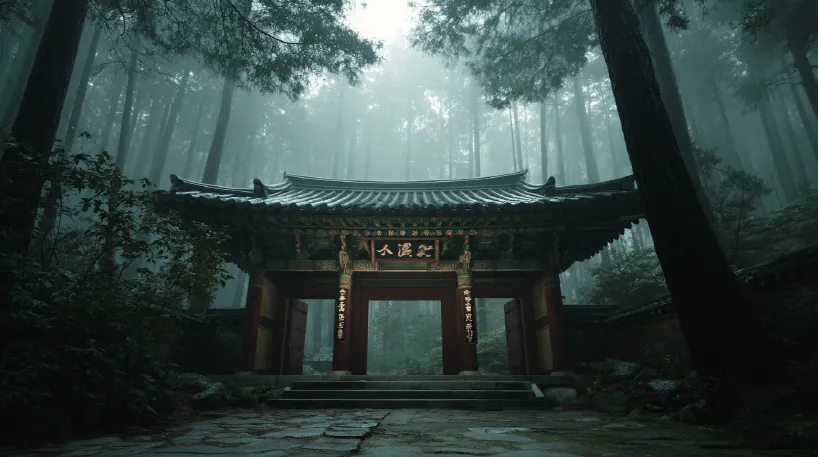
Fire Horse Superstition: Babies Born in a Horse Year
The Fire Horse superstition says babies born in a horse year, especially 2026, face bad luck. Here's what Korean Saju actually says about it.
Want this read for your own chart? Ask Master K free or get the full written report · $39
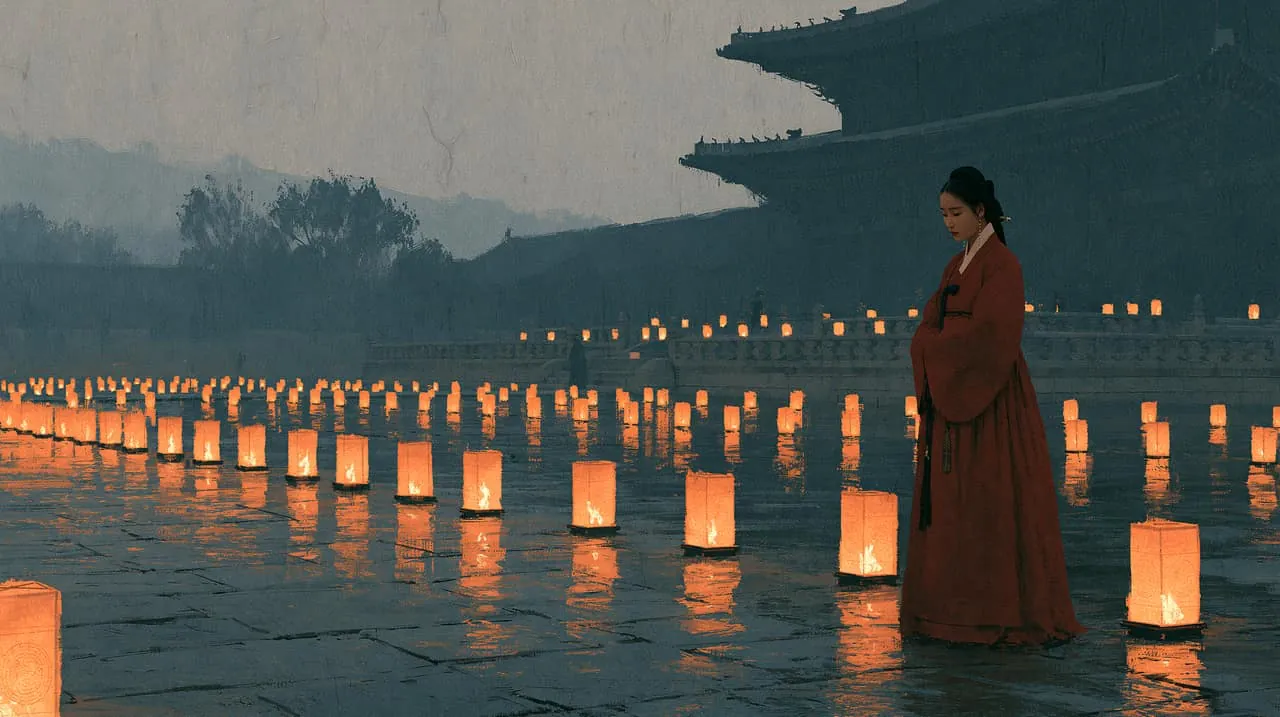
The Fire Horse superstition is back in the group chats. With 2026 being a Red Fire Horse year (丙午, Byeong-o), parents keep asking whether babies born in a horse year carry bad luck, especially girls. I've worked with the Four Pillars of Destiny for over fifteen years, and my short answer is: the superstition is real as a cultural force, but the logic behind it doesn't hold up once you read an actual birth chart.
Here's the thing. A year sign is one of eight characters in a Saju chart. Judging a baby by it is like judging a whole movie by the font on the poster. If you want to see how much more there is, a free reading will show you all four pillars at once, and you'll notice the year is only the outer shell.
Still, the fear has a history, and it deserves a proper explanation. So let me break it down.
Where the Fire Horse Superstition Comes From
The most famous version is Japanese. It's called hinoeuma, and it claims women born in a Fire Horse year grow up headstrong, unlucky in marriage, and even dangerous to their husbands. Part of the legend traces back to the story of Yaoya Oshichi, a young woman in Edo-era Japan said to have set a fire for love.
The effect was measurable. In 1966, the last Fire Horse year, Japan's birth rate dropped by roughly a quarter. Families literally postponed having children. That's one of the clearest examples on record of an astrological belief moving national statistics.
The Korean twist: the White Horse
Korea has its own flavor. Here the stronger taboo historically surrounded the White Horse year, 경오 (Gyeong-o), a Metal Horse. The last one was 1990. Older relatives used to whisper that a daughter born under the 백말띠 (baengmalddi, White Horse sign) would be too strong-willed, too independent, hard to marry off.
Honestly, it's uncomfortable to look at. Korea's sex ratio at birth in 1990 was notably skewed, and the horse-year stigma is widely discussed as one contributing pressure. That's the real weight of this superstition. It was never mainly about fortune. It was about controlling what kind of woman was considered acceptable.

Why Babies Born in a Horse Year Got a Bad Reputation
In Korean astrology, the Horse branch 午 (O) sits at the peak of summer. Midday. Maximum heat, maximum movement. Its energy radiates outward, which is exactly what the Fire element does.
Traditional readers associated that with restlessness, outspokenness, and a refusal to sit quietly. For a son, that read as ambition. For a daughter, in a patriarchal frame, it read as trouble.
Now stack a Fire stem on top of a Fire branch. That's 丙午, the Blazing Sun riding the Midsummer Horse. Fire on Fire. Old texts called it a "doubled" heat, and doubled anything gets flagged as extreme.
So the superstition isn't random. It grew from a real observation about elemental intensity, then got twisted by social bias into a prediction of doom.
What Saju Actually Says About the Fire Horse
This is where I usually slow down, because people skip the most important part.
The Year Pillar in Saju describes your ancestral background, early environment, and how society first sees you. It does not define your core self. That job belongs to the Day Master (일간, Ilgan), the Heavenly Stem of your Day Pillar.
A baby born in 2026 shares a Year Pillar with every other baby born that year. Millions of them. Yet their charts will differ wildly depending on the month, day, and hour.
The hidden stems inside the Horse
Here's a detail most pop astrology misses. The Horse branch 午 contains hidden stems: 丁 (Jeong, Yin Fire) and 己 (Gi, Yin Earth). So there's Earth tucked inside that Fire. Ash becoming soil, the productive cycle in motion.
That matters. Fire produces Earth, and producing drains the producer. A Horse branch isn't pure uncontrolled flame. It already has a place for that heat to go.
Hypothetical chart #1: Fire Horse year, Water Day Master
Say a baby is born in 2026 with a 壬 (Im, Yang Water) Day Master, the Ocean. Born in a winter month with extra Water branches.
This chart could easily be too cold and too wet. The Fire in the Year Pillar isn't a curse here. It's possibly the Useful God (용신, Yongsin), the element the chart needs most. Fire in the year would warm the whole chart and give that Ocean something to evaporate toward. For this kid, the "unlucky" year sign is a gift.
Hypothetical chart #2: Fire Horse year, Fire Day Master in summer
Now take a 丙 (Byeong, Yang Fire) Day Master born in the summer months of 2026, with another Fire branch in the hour.
This chart is genuinely hot. Too much Fire can show up as impulsiveness, burnout cycles, a tendency to give warmth to people who don't deserve it. What does it need? Water to regulate, or Earth to channel the heat into something productive.
But notice: even this is not "bad luck." It's a chart with a clear prescription. Water-element environments, mentors with calm energy, routines that cool things down. Every chart has an imbalance somewhere. That's the whole point of Saju.
The Real Traits of a Fire Horse Year Chart
If I'm reading the Year Pillar fairly, without the misogyny baked in, here's what 丙午 tends to bring to the early environment and public face:
- Visibility. Fire radiates. These kids often get noticed early, whether they want to or not.
- Speed. The Horse moves. Expect a child who resists sitting still and learns by doing.
- Directness. Fire doesn't hide. Honest, sometimes bluntly so.
- Warmth. The Blazing Sun stem is generous. Joy is Fire's emotion, not anger.
None of those are flaws. In 2026, frankly, they read like a job description for a creator, a founder, a performer. A child who isn't afraid to be seen is pretty well suited to the world they're being born into.
What the old readers got wrong about daughters
The traits are identical regardless of gender. Saju itself doesn't assign "too strong" to women and "ambitious" to men. That came from the people interpreting it.
In my experience, a strong Fire presence in a woman's chart often points to leadership, creative output, and the ability to build a personal brand. That's not a marriage problem. If anything, compatibility depends on the Day Master pairing far more than the year animal. If romantic chemistry is your actual worry, a Saju love reading compares the full charts, which is the only honest way to do it.
Timing Matters More Than the Birth Year
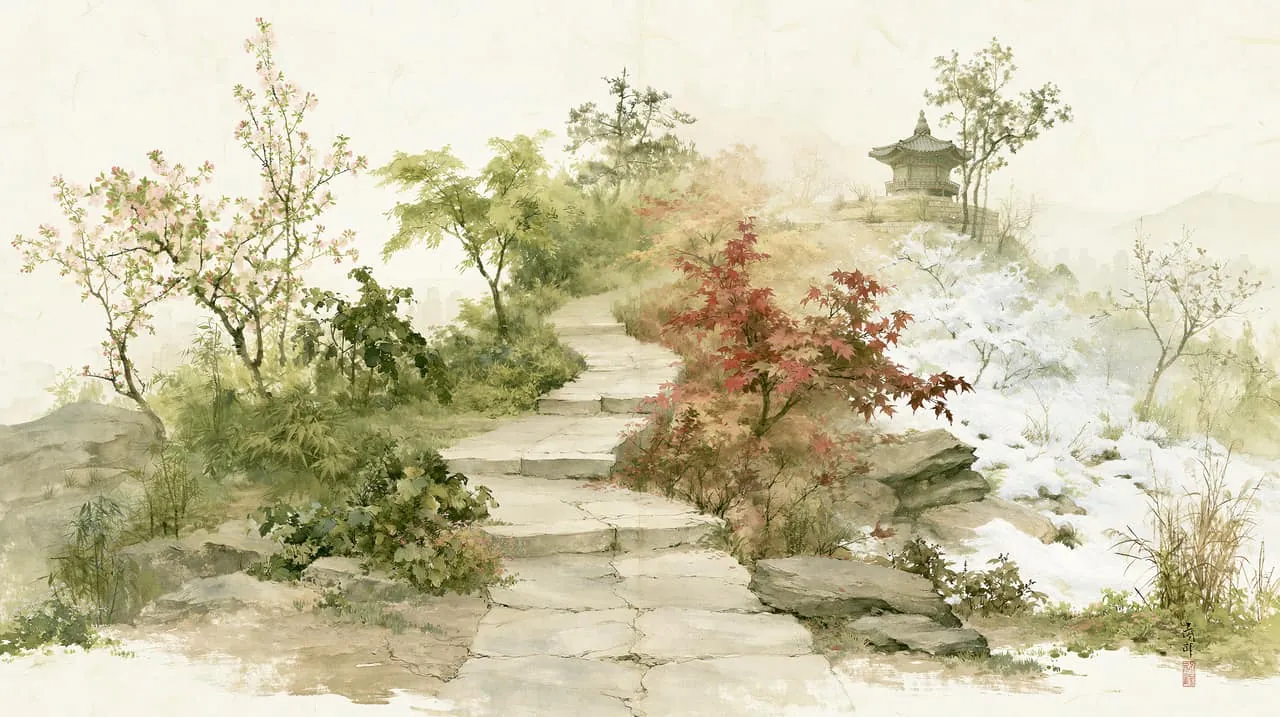
Something parents rarely hear: the Grand Fortune (대운, Daeun) shapes a life far more than the year sign. These are 10-year periods calculated from the Month Pillar, and they shift the elemental climate a person lives through.
Picture it like this. The birth chart is the house. The Grand Fortune is the climate outside for ten years. The Annual Fortune (연운, Yeonun) is the weather on any given year.
A Fire Horse baby with too much Fire might hit a Water-heavy Grand Fortune in their twenties, and suddenly everything balances. Life gets smoother. Another might hit a Fire decade and need to work harder at pacing themselves. Same year animal, totally different story.
That's why reducing anyone to "born in a horse year" misses about ninety percent of the information.
Should You Avoid Having a Baby in 2026?
No. And I say that as someone who takes this system seriously.
If you're curious about timing for cultural or personal reasons, the more useful question is about the month, day, and hour, and how those interact with the parents' charts. Even then, a "perfect" chart doesn't exist. Every chart is a mix of excess and lack.
One small technical note: in Saju, the year changes at 입춘 (Ipchun), the start of spring, around February 4, not on January 1 or Lunar New Year. So a baby born in mid-January 2026 is actually still a Snake (乙巳) in the Four Pillars. A surprising number of people get their own year sign wrong because of this. If you want to understand these calculations yourself, the free Saju ebook walks through it from the ground up.
Frequently Asked Questions
Is the Fire Horse year really unlucky?
Not in any structural sense. The Fire Horse superstition comes from Japanese hinoeuma folklore and social biases about women, not from the mechanics of Saju. In an actual birth chart, Fire in the Year Pillar can be helpful or excessive depending on the Day Master and the rest of the chart.
When is the next Fire Horse year?
The next Fire Horse year is 2026 (丙午, Byeong-o). In Saju it starts at Ipchun, around February 4, 2026, and runs until early February 2027. The cycle repeats every 60 years, so the previous one was 1966.
What personality do babies born in a horse year have?
Horse-year energy in the Year Pillar tends to show up as visibility, speed, directness, and warmth in how others first perceive the child. But core personality comes from the Day Master, so two horse-year babies can be completely different people.
Is the Korean White Horse superstition the same as the Fire Horse?
They're related but different. The Korean 백말띠 taboo targets the Metal Horse (경오, Gyeong-o), last seen in 1990, while the Japanese belief targets the Fire Horse. Both historically stigmatized girls, and both lack any real basis in chart reading.
The Bottom Line on Horse-Year Babies
The Fire Horse superstition says more about the societies that created it than about the children born under it. A 2026 baby will carry bright, radiant, forward-moving energy in their Year Pillar. Whether that energy is exactly what their chart needs, or something to balance, depends on the other seven characters.
Read the whole chart. Always.
Discover Your Destiny
Curious about your own chart?
Get a free mini reading, then unlock your full Four Pillars report from a certified Saju master.