Gumiho Dramas and the Fox Spirit in Korean Fortune Lore
From K-drama screens to ancient Saju wisdom, here's what the gumiho fox spirit actually means in Korean fortune lore and how it shows up in birth charts.
Gumiho Dramas and the Fox Spirit in Korean Fortune Lore
If you've watched Tale of the Nine-Tailed or My Girlfriend Is a Gumiho, you already know the fox spirit pulls you in. There's something about the gumiho that feels almost magnetic, like the drama writers tapped into something older and stranger than fiction. And honestly? They did. The gumiho isn't just a Netflix-era invention. She's woven into Korean spiritual tradition in ways that connect directly to how Saju practitioners read character, fate, and elemental nature in a birth chart. If you're curious how your own energy maps onto ancient archetypes like this, you can start with a free reading and see what your Four Pillars actually say.
Let me walk you through what the fox spirit really represents in Korean fortune lore, how it connects to specific elemental energies in Saju, and why certain Day Masters (일간 Ilgan) carry that unmistakable gumiho quality whether they know it or not.

What the Gumiho Actually Is in Korean Folklore
The gumiho, literally "nine-tailed fox," is one of the oldest supernatural archetypes in Korean mythology. She appears across centuries of folk stories, usually as a shapeshifter who can take human form. In older tales she was often a cautionary figure, something to fear. In modern dramas she tends to get a redemption arc, which says a lot about how culture evolves.
But here's what most people miss: the fox spirit in Korean lore isn't simply "evil" or "good." She is liminal. She exists between realms. She is seductive precisely because she is difficult to categorize. That quality, that resistance to being pinned down, is central to how fortune practitioners have historically understood certain types of energy.
In shamanic Korean tradition (무속 Musok), animals carry specific energetic signatures. The fox is associated with cunning intelligence, transformation, and the yin dimensions of existence. These aren't moral judgments. They're elemental descriptions.
The Gumiho Energy in Saju: Which Elements Carry It
In the Five Elements framework (오행 Ohaeng), the gumiho energy doesn't map cleanly to just one element, which is kind of the point. She spans several.
Yin Water (癸 Gye) and the Fox's Depth
If one element captures the gumiho's essence most closely, it's Yin Water. The 癸 Gye Day Master is the Rain, the most intuitive and psychically sensitive of all ten Day Masters. Yin Water types are perceptive in ways that can feel almost uncanny to the people around them. They read rooms, read people, and they do it quietly, without announcing themselves.
Gye people often withdraw when hurt and rarely show their full hand. Sound familiar? That's the fox who keeps her tails hidden. The shapeshifting quality in mythology maps onto the Yin Water tendency to adapt to whatever container holds them, absorbing energy, reflecting it back, never fully revealing the depths beneath.
Yin Wood (乙 Eul) and the Shapeshifter's Charm
Yin Wood is the Vine. Adaptable, charming, knows exactly which structure to cling to for maximum growth. The 乙 Eul Day Master can seem different depending on who they're with, not from dishonesty but from a genuine chameleonic sensitivity to environment.
In gumiho drama logic, the fox who learns to love is often this type: deeply accommodating, warm, capable of losing herself entirely in a relationship. Eul types do the same. Their weakness, just like the folklore fox trying to become human, is that they can lose their own identity in the process of belonging somewhere.
Yin Metal (辛 Sin) and the Jewel in the Dark
The 辛 Sin Day Master is the Jewel. Refined, precise, aesthetically attuned, and a little high-maintenance if we're being honest. There's a cold, glittering quality to Yin Metal that maps onto the more classical gumiho depictions: beautiful, dangerous, hard to look away from.
Sin types are often the most visually striking in a room. They know it and they cultivate it. The gumiho in older Korean tales was seductive specifically because of her perfect exterior. But underneath was something that could not quite be domesticated.
The Nine Tails as Fortune Stages: A Saju Reading of Growth
Here's an interpretation I find genuinely fascinating. The nine tails of the gumiho represent her accumulated wisdom and power, earned over centuries of cultivation. Each tail is a stage of development.
This maps beautifully onto how Grand Fortune (대운 Daeun) works in Saju. Your 10-year fortune periods aren't random. They're a structured progression of elemental climates that either support or challenge your core Day Master energy. A Yin Water person moving through favorable 대운 periods is essentially a gumiho growing her tails, accumulating depth, insight, and power.
When the Useful God (용신 Yongsin) arrives in a Grand Fortune period, everything clicks. Doors open. Perception sharpens. The fox earns another tail.
When an unfavorable period hits? That's the gumiho hiding in the mountains, biding her time. Not defeated. Waiting.
Why Modern Gumiho Dramas Resonate So Deeply
Tale of the Nine-Tailed ran in 2020 and became a cultural moment. My Girlfriend Is a Gumiho from 2010 still gets rewatched obsessively. Why do these stories keep landing?
Partly because the gumiho represents a very specific kind of longing: to be fully seen and accepted across your contradictions. To be powerful and vulnerable at once. To be ancient and still capable of change.
That tension, power versus belonging, is one of the most common themes I see in Saju readings. Yang Wood (甲 Gap) types who are natural leaders but terrified of being abandoned. Yin Fire (丁 Jeong) types who love with total intensity but pull away the moment they feel misunderstood. These aren't character flaws. They're elemental signatures, just like the fox who can't quite decide between the mountain and the human world.
If you're someone who connects deeply to the gumiho archetype in these dramas, it might be worth looking at your own chart through a Saju love reading. The relational dynamics these stories dramatize often mirror real elemental tensions in how people actually love and lose.
The Fox Spirit and Spiritual Signs in Korean Culture
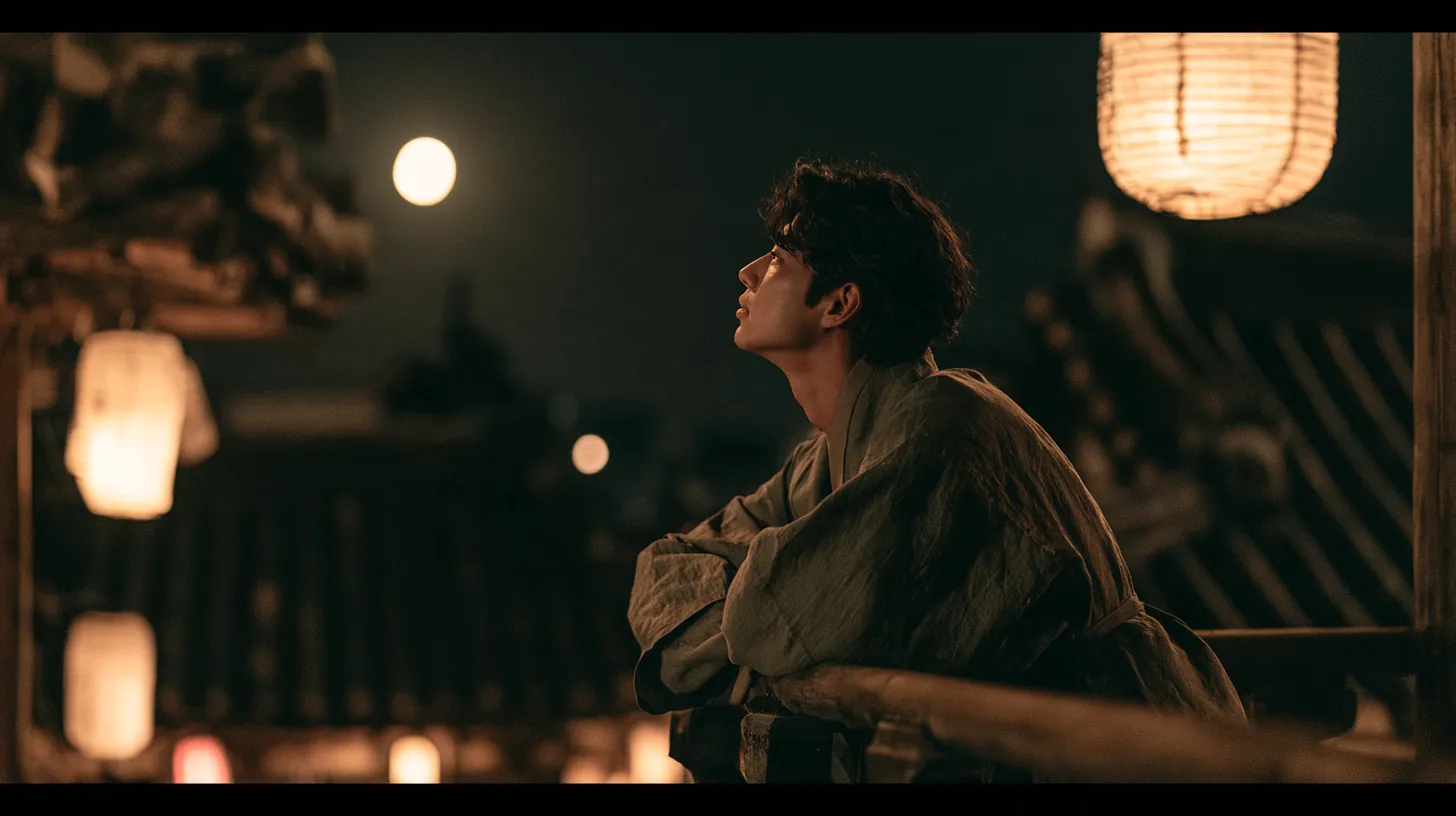
In older Korean tradition, seeing a fox in a dream or having a fox appear repeatedly as a symbol wasn't taken lightly. It was considered a message about transformation, about a threshold you were standing at in your life.
The shamanic tradition understood that certain people were energetically porous, meaning the boundary between their inner world and the spirit world was thinner than average. Yin Water and Yin Wood Day Masters often describe themselves this way without knowing the Saju context. They just know they pick up on things others miss.
Frequently Asked Questions
What is the gumiho in Korean culture?
The gumiho is a nine-tailed fox spirit from Korean mythology, believed to be a shapeshifter with centuries of accumulated power. In traditional lore she was feared as a dangerous seductress. In modern K-dramas she's been reimagined as a complex, often sympathetic figure navigating between the spirit world and the human one.
Does the gumiho have any connection to Korean Saju or fortune reading?
Not directly as a formal concept, but the elemental and energetic qualities associated with the gumiho, intuition, transformation, hidden depth, liminal existence, map closely onto specific Day Master types in Saju. Yin Water (癸 Gye) and Yin Wood (乙 Eul) Day Masters in particular carry that shapeshifting, perceptive quality that Korean folklore assigned to the fox spirit.
Which K-dramas feature the gumiho?
Some of the most popular are My Girlfriend Is a Gumiho (2010), Tale of the Nine-Tailed (2020) and its sequel, and Bulgasal: Immortal Souls which touches on adjacent mythology. The genre keeps expanding because the archetype has real staying power.
Can my Saju birth chart tell me if I have gumiho energy?
Your Four Pillars chart won't use that term, but a practitioner reading your Day Master and elemental balance can absolutely identify whether you carry the Yin Water depth, the Yin Wood adaptability, or the Yin Metal mystique most associated with fox spirit qualities in Korean lore. It's one of the more interesting character reads a Saju chart can give you.
The gumiho endures because she captures something true about a certain kind of person: someone who sees more than they say, transforms more than others realize, and belongs fully to no single world. Whether you're here because you binged a drama or because you've always felt a little like the fox standing at the edge of the human village, Saju has language for that energy.
Discover Your Destiny
Curious about your own chart?
Get a free mini reading, then unlock your full Four Pillars report from a certified Saju master.