Saju Cafe in Seoul: Prices, English Readings and 5 Checks Before You Book
What happens in a Seoul saju cafe, what a reading costs, where to find English readers, and 5 checks to make sure your chart is right.
Want this read for your own chart? Ask Master K free or get the full written report · $39
Saju Cafes in Seoul Are Changing How People Experience Korean Astrology
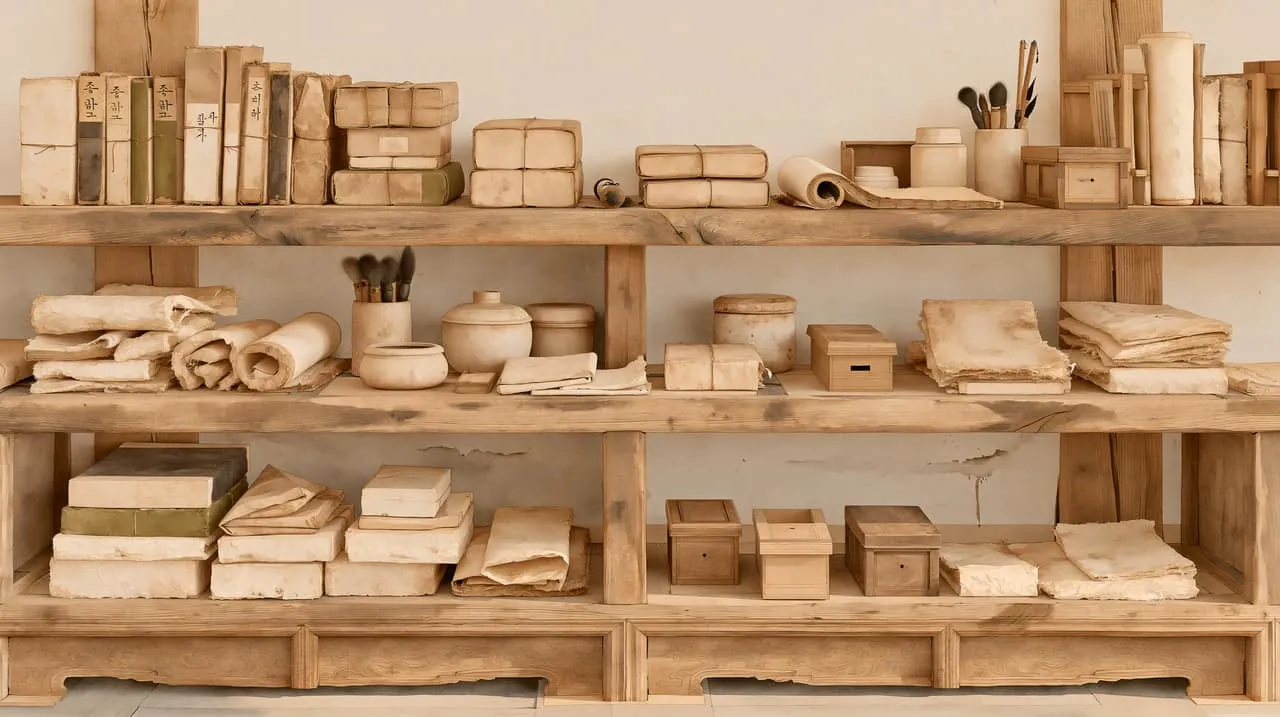
A saju cafe is a small cafe or studio in Korea where you hand over your birth date and birth time, get a drink, and sit with a reader who builds your Four Pillars chart and talks you through it. Most standard sessions run about 25 to 30 minutes and cost roughly 30,000 to 80,000 KRW, with a drink usually included. If you want to see your own chart before you go, the free saju reading builds all four pillars from your birth details in a minute.
That is the short answer. The longer answer matters if you are a visitor, because the quality of a saju cafe session depends far more on what you bring and what you check than on which neighborhood you pick. I read charts for a living, and the most common problem I see with cafe readings is not a bad reader. It is a chart built from the wrong birth time, or from a lunar birthday that was entered as solar.
So this guide covers what happens inside, what it costs, where the cafes cluster, and five checks you can do yourself before booking, including a way to confirm that the reader's chart actually matches yours.

What Exactly Is a Saju Cafe?
Saju (사주, "four pillars") is the Korean name for the birth chart system that Chinese practice calls BaZi. Your year, month, day and hour of birth each become a pillar of two characters, a heavenly stem on top and an earthly branch below, for eight characters in total. That is why the full Korean term is saju palja, "four pillars, eight characters."
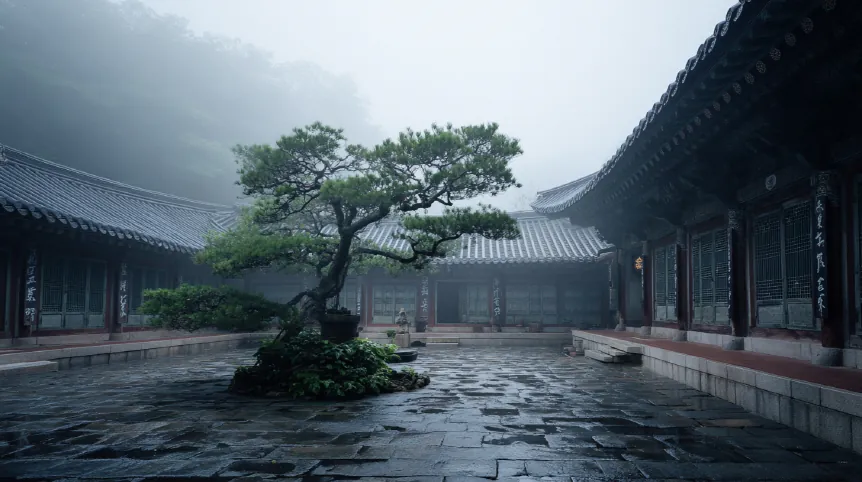
A saju cafe wraps that system in a relaxed format. Instead of a back room or a temple office, you sit at a table with tea or coffee. Cafe style saju took off after the 2010s, and areas such as Hongdae now have many of them within a few blocks. Some places also offer tarot, face reading or palm reading on the same menu, so check which service you are booking.
A saju cafe is not the same thing as a sinjeom (신점). A sinjeom reading comes from a shaman who says the answer is received from a spirit. A saju reader works from a calculated chart. If you want the chart based kind, look for the word 사주 on the sign or the booking page, not 신점.
How the Four Pillars Reading Actually Works in These Settings
When you sit down, the reader will ask for four things: your name, your date of birth, your time of birth, and whether that date is on the solar or the lunar calendar. Then the chart gets built, either by hand on paper or on a tablet.
In a short cafe session, a reader usually covers three layers:
- Your day master, the stem of your day pillar, which describes your core nature
- The balance of the five elements, which shows what your chart has too much of and what it lacks
- Your current ten year luck cycle (daeun) and the coming years, which is where questions about career, money and relationships get answered
Readers will also flag specific years or ages they see as turning points. In 25 to 30 minutes, that is a lot of ground, which is why the questions you bring matter. For a longer walk through the session itself, minute by minute, see what to expect when you visit a saju cafe.
What a Saju Cafe Reading Costs
Prices are set by each reader, so treat these as typical ranges reported by recent visitor guides, not fixed rates:
| Reading type | Typical length | Typical price (KRW) |
|---|---|---|
| Short taster reading | 15 to 20 min | around 20,000 |
| Standard saju reading | 25 to 40 min | 30,000 to 80,000 |
| In depth reading | 60 to 90 min | 60,000 to 120,000 |
| Couple compatibility (gunghap) | 40 to 60 min | 50,000 to 90,000 |
A drink is usually included in cafe style places. Tipping is not expected in Korea. Some readers only take cash, so ask about payment when you book, and confirm the price before you sit down if it is not posted anywhere.
If your main question is a relationship, a compatibility session compares two charts. That is a different job from a single reading, and it needs both people's birth times. You can read how Korean families do it in this guide to gunghap compatibility, or get a written two chart analysis through the Saju love reading.
The Best Neighborhoods to Find Saju Cafes in Seoul
Hongdae has the largest cluster and skews young. Several cafes near Hongik University Station advertise readings for foreign visitors, and some list English or Japanese interpretation. Fun Saju Cafe, near Hongik University Station, is one of the names visitor guides mention most often; check its current hours, languages and prices before you go, because these change.
Insadong feels more traditional. Saju shops sit in the alleys between paper stores and tea houses, and a few practitioners cater to foreign visitors.
Apgujeong and the Gangnam side have long been known for established readers, with a more local clientele and less English.
Itaewon and Mangwon are also mentioned in visitor guides as places where English friendly options turn up.
Neighborhood matters less than you might think. A careful reader in a plain room beats a beautiful cafe with a rushed reading.
Why This Trend Has Hit So Hard Right Now
Saju has been mainstream in Korea for a long time. People check it before weddings, before a job change, or at the start of a new year. What changed is the format. The cafe setting made it casual, shareable and easy to fit into an afternoon, and Seoul's tourism promotion now lists saju experiences as a cultural activity for visitors.
There is also a simpler reason. Saju works as a personal question and answer session: you ask about your own timing and your own tendencies, and you get an answer framed by a system with fixed rules. For a lot of people that feels more grounded than a general horoscope.
5 Checks Before You Book a Saju Cafe
This is the part most travel guides skip. Every one of these takes a few minutes at home and makes the session far more useful.
1. Get your exact birth time
The hour pillar depends entirely on the time of birth, and each hour branch covers a two hour window. A guess of "sometime in the morning" can put you in the wrong pillar. Check a birth certificate or ask a parent. If the time really is unknown, tell the reader so; a careful reader will work with three pillars and say so, rather than invent the fourth. More on why it is the fussiest pillar in how the hour pillar is calculated.
2. Know whether your birthday is solar or lunar
Most visitors were born under the ordinary Gregorian calendar, which is solar. Some families, especially in Korea, China and Vietnam, record birthdays on the lunar calendar. If a lunar date gets entered as solar, the whole chart shifts. Say "solar calendar" clearly when you give your date.
3. Know your own pillars before you sit down
This is the check almost nobody does. If you already know your four pillars, you can see in the first minute whether the reader's chart matches yours. The free reading gives you all four. You can also work out your day pillar yourself; the method is in what your day pillar catches that your zodiac animal misses.
Here is a hypothetical example. Say someone was born on 14 March 1995 at 10:15 in Seoul.
| Pillar | Stem and branch | In English |
|---|---|---|
| Year | 乙亥 | Yin Wood Pig |
| Month | 己卯 | Yin Earth Rabbit |
| Day | 甲辰 | Yang Wood Dragon |
| Hour | 己巳 | Yin Earth Snake |
The year is 乙亥 because the saju year starts at Ipchun, around 4 February, not at Lunar New Year. The month is 卯 because 14 March falls after the solar term Gyeongchip in early March. The day pillar 甲辰 comes from a fixed sixty day count, and the 10:15 birth sits in the 巳 hour. If a reader writes this person's day pillar as anything other than 甲辰, something was entered wrong, and it is worth asking before the session goes further. Note that readers differ on how to handle births close to midnight, so a late night birth is the one case where a different day pillar is not automatically an error.
4. Confirm the language before you go
English sessions exist, but not everywhere. Look for readers who post in English on Instagram or list English on their booking page, or book through a travel platform that sells English language saju sessions. If neither works, bring a friend who can interpret, and agree on the price for both of you in advance.
5. Bring two questions, not ten
Sessions feel short in hindsight. A broad request such as "tell me about my life" gets a broad answer. "Is the next three years a good window to change jobs?" or "What does my current ten year cycle favor?" gives the reader something to work with.
Red Flags to Watch For
Most readers are straightforward, but a few patterns are worth walking away from:
- Street approaches near tourist areas with lines like "you have an interesting face." These are often setups for an upsell.
- No price listed anywhere and an insistence on cash before you start.
- A reader who uses a frightening prediction to sell you a charm, a ritual or a second paid session.
A real chart reading describes tendencies and timing. It does not need you to buy anything else to "fix" it.
Saju Cafe or Online Reading?
Both have a place. A cafe session gives you live conversation and the chance to ask follow up questions on the spot, plus the experience of doing it in Seoul. A written reading gives you something you can reread, with time for the reader to work through the luck cycles properly instead of in 30 minutes. If you are not travelling to Korea, an online reading is the only practical option anyway. If you want to learn enough of the system to follow along in a cafe session, the free Saju ebook covers the basics, and this guide to the types of Korean fortune telling explains how saju, gunghap and the other services differ.
Frequently Asked Questions
What is a saju cafe?
A saju cafe is a cafe style venue in Korea where a reader calculates your Four Pillars birth chart from your birth date and time and explains it over tea or coffee. Most standard sessions in Seoul last about 25 to 30 minutes.
How much does a saju cafe reading cost in Seoul?
A standard reading usually costs about 30,000 to 80,000 KRW, often with a drink included. Longer in depth sessions can reach 60,000 to 120,000 KRW. Prices are set by each reader, so confirm before the session starts.
Can I get a saju cafe reading in English?
Yes, but not at every cafe. Hongdae and Insadong have the most English friendly options. Check the reader's Instagram or booking page for English sessions, or book through a travel platform that offers English language saju.
What do I need to bring to a saju cafe?
Your exact date of birth, your birth time, and whether the date is solar or lunar. Knowing your four pillars in advance also lets you check that the reader's chart is correct.
If you would rather have your chart read in depth without a flight to Seoul, a full written Saju report covers your pillars, your element balance and your coming luck cycles in detail.
Discover Your Destiny
Curious about your own chart?
Get a free mini reading, then unlock your full Four Pillars report from a certified Saju master.