Water Element Imbalance and Kidney Health in Korean Saju
Discover how water element imbalance in your Saju chart can signal kidney and adrenal stress, and what you can do about it.

Water Element Imbalance and Kidney Health in Korean Saju
If you've ever felt chronically exhausted, anxious for no clear reason, or like your energy just drains out of you no matter how much you sleep, your Saju chart might be pointing to something specific: a water element (수, Su) imbalance. In Korean Four Pillars of Destiny, the water element maps directly onto the kidneys, bladder, and adrenal system. And in my 15+ years of doing readings, I've seen this connection show up with eerie consistency. Get a Saju reading online to check whether water is out of balance in your own chart before reading further. It'll make this article hit much harder.
The water element in Saju isn't just about literal water. It represents downward flowing energy, the season of winter, the emotion of fear, and physiologically, the kidneys and their entire energetic network. When this element is either excessive or deficient in your Four Pillars, the body tends to register it, sometimes loudly.
Let me break this down the way I explain it to clients sitting across from me.
What "Water Imbalance" Actually Means in Your Chart
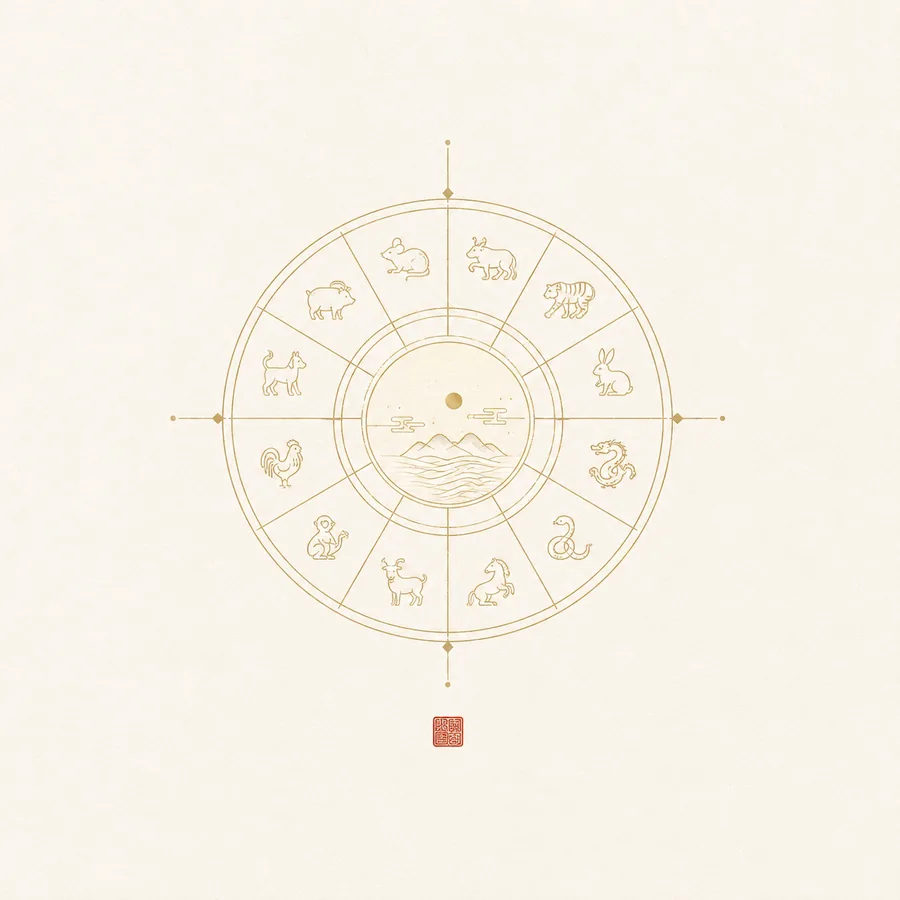
In Saju, each pillar (Year, Month, Day, Hour) carries a Heavenly Stem and an Earthly Branch. Water can appear in both. You might have a Day Master (일간 Ilgan) that is itself a water element, like 壬 (Im, Yang Water) or 癸 (Gye, Yin Water). Or water might be stacked in your branches through signs like Rat (자), Pig (해), or Ox (축, which holds hidden water).
Too much water in a chart means the element is overwhelming the system. Too little means the body and psyche don't have enough of what water provides: depth, restoration, and regenerative quiet.
Here's the thing. Water's natural movement is downward and flowing. It governs the kidneys and bladder in traditional Korean medicine (한의학 Hanuihak), which directly informs how Saju practitioners interpret health signals. The kidneys in this framework aren't just filtration organs. They hold what Korean medicine calls "essence" (정 Jeong), the foundational life-force reserve you're born with and gradually spend across your lifetime.
When water is in excess or deficiency in your Saju chart, that Jeong can be threatened.
Signs of Excess Water in a Saju Chart
Excess water shows up when you have multiple water stems and branches clustered together, especially if your Day Master is weak and getting flooded rather than supported.
I had a client, a woman in her early 40s, whose chart had water in all four branches. She came to me complaining about chronic lower back pain, persistent anxiety, and what she called "a feeling of drowning" emotionally. She wasn't being poetic. That's exactly what excess water does energetically: it floods the system.
In Saju mechanics, excess water can suppress fire (water controls fire in the 상극 controlling cycle). Fire governs the heart and the emotional warmth of the chart. When fire gets extinguished by overwhelming water, you get cold constitution, low motivation, and often unexplained grief or dread.
Physically, clients with excess water charts frequently report:
- Swelling or water retention, especially in the lower body
- Kidney or bladder sensitivity (frequent urination, UTIs)
- Cold extremities, particularly feet
- A kind of bone-deep fatigue that doesn't lift with rest
- Heightened fear responses, anxiety, or phobias
The emotion tied to water is fear (공포 Gongpo). Excess water doesn't just affect the kidneys in theory. It amplifies fear-based emotional patterns that can manifest as anxiety disorders, avoidance behaviors, or chronic low-grade dread.
Signs of Water Deficiency in a Saju Chart
Water deficiency is just as problematic, sometimes more so, because it's easy to misread. A chart with almost no water might look "fiery" and ambitious on the surface. But underneath, the kidneys are running on empty.
In Saju, water feeds wood (Water→Wood in the 상생 productive cycle). If there's no water, wood dries out, fire burns uncontrolled, and the whole elemental chain starts to destabilize. I've seen this pattern in high-achievers who push relentlessly and then crash hard around their late 30s or 40s, often with adrenal burnout or kidney-related issues.
Water-deficient charts often produce people who:
- Struggle to rest without guilt
- Have chronic lower back issues or hip tightness
- Experience hearing problems or tinnitus (kidneys govern the ears in Korean medicine)
- Feel a low-level fear of the future but mask it with busyness
- Burn hot emotionally but crash hard
If water is your chart's Useful God (용신 Yongsin), that means your entire chart structure is calling for more water energy to create balance. When that element is absent or weak, you'll feel it as a recurring theme of depletion in your life, not just physically but in willpower, adaptability, and depth of wisdom.
How Grand Fortune Cycles Affect Kidney Health
This is where it gets really interesting. Your static birth chart is one layer. But the Grand Fortune (대운 Daeun) cycles shift every 10 years and can either flood your chart with water or drain it completely.
If you enter a water-heavy Grand Fortune and your chart can't handle more water, that decade often brings health challenges related to the kidney and bladder system. I've had multiple clients who developed significant urinary or renal issues within the first two years of entering a water Grand Fortune that clashed with their existing elemental structure.
Conversely, if water is your Useful God and you enter a water Grand Fortune, that decade can feel like finally being able to breathe. Your body rehydrates energetically. Rest comes more easily. Fear softens into intuition.
The Annual Fortune (연운 Yeonun) adds another layer. A year dominated by water energy (like a Rat year or Pig year) can temporarily intensify these kidney-related themes, for better or worse depending on your chart.
Practical Ways to Support Water Element Balance
Saju isn't fatalistic. Knowing your elemental imbalances gives you the chance to consciously compensate.
For excess water: Introduce fire and earth energy. Warm foods, sunny environments, consistent routines, and social warmth (fire) can help regulate the flood. Earth (토) dams water in the controlling cycle. Building structure, grounding practices, and stability-oriented habits can help contain excess water energy.
For water deficiency: Prioritize rest. Genuinely. Not just sleep, but genuine solitude and restoration. Water recharges through quiet and depth. Cold and dark environments paradoxically help (winter is water's season). Kidney-supporting foods from Korean medicine like black beans, black sesame, and walnuts are commonly recommended. Reduce excessive fire activities (overworking, overexposing, constant stimulation).
If you're unsure whether your health patterns connect to relationship stress or emotional dynamics in your chart, a Saju love reading can reveal how your water element interacts with your partner's elemental structure, which sometimes explains chronic exhaustion patterns that seem relationship-sourced.
Frequently Asked Questions
What does the water element represent in Saju health readings?
In Korean Saju, the water element (수 Su) governs the kidneys, bladder, and adrenal glands. It also maps to the emotion of fear, the season of winter, and the life essence (정 Jeong) that is stored in the kidneys according to traditional Korean medicine. Imbalances in the water element often manifest as fatigue, lower back pain, anxiety, and urinary issues.
How do I know if I have too much or too little water in my Saju chart?
You'd look at the Heavenly Stems and Earthly Branches across all four pillars. Water appears as the stems 壬 (Im) and 癸 (Gye), and in the branches of the Rat (자), Pig (해), and Ox (축). A Saju practitioner will assess whether the overall chart is balanced, or whether water is flooding or missing entirely, relative to your Day Master's needs.
Can my Grand Fortune cycle affect my kidney health?
Yes, significantly. Grand Fortune (대운 Daeun) cycles shift every 10 years and can amplify or deplete the water element in your chart. If you enter a water-dominant decade and your chart is already water-heavy, that period often correlates with kidney and bladder-related health challenges. This is why timing matters so much in Saju health interpretation.
Is the water element connection to kidneys a Saju-specific belief?
It's rooted in traditional Korean medicine (한의학 Hanuihak), which shares foundational principles with Chinese medicine. Korean Saju practitioners have long integrated these medical frameworks into chart interpretation. The kidney as the seat of life essence and the water element's role in sustaining it is a consistent principle across both systems.
Honestly, the water element is one of the most misunderstood aspects of Saju health readings. Most people focus on career and love (understandably), but the body keeps score, and so does your birth chart. If you've been struggling with fatigue, fear, or physical symptoms that feel chronic and mysterious, looking at your water element balance might be the most useful thing you do this year.
If you want to go deeper into reading your own chart structure, the free Saju ebook is a solid starting point for understanding how elements interact before booking a full session.
Discover Your Destiny
Curious about your own chart?
Get a free mini reading, then unlock your full Four Pillars report from a certified Saju master.