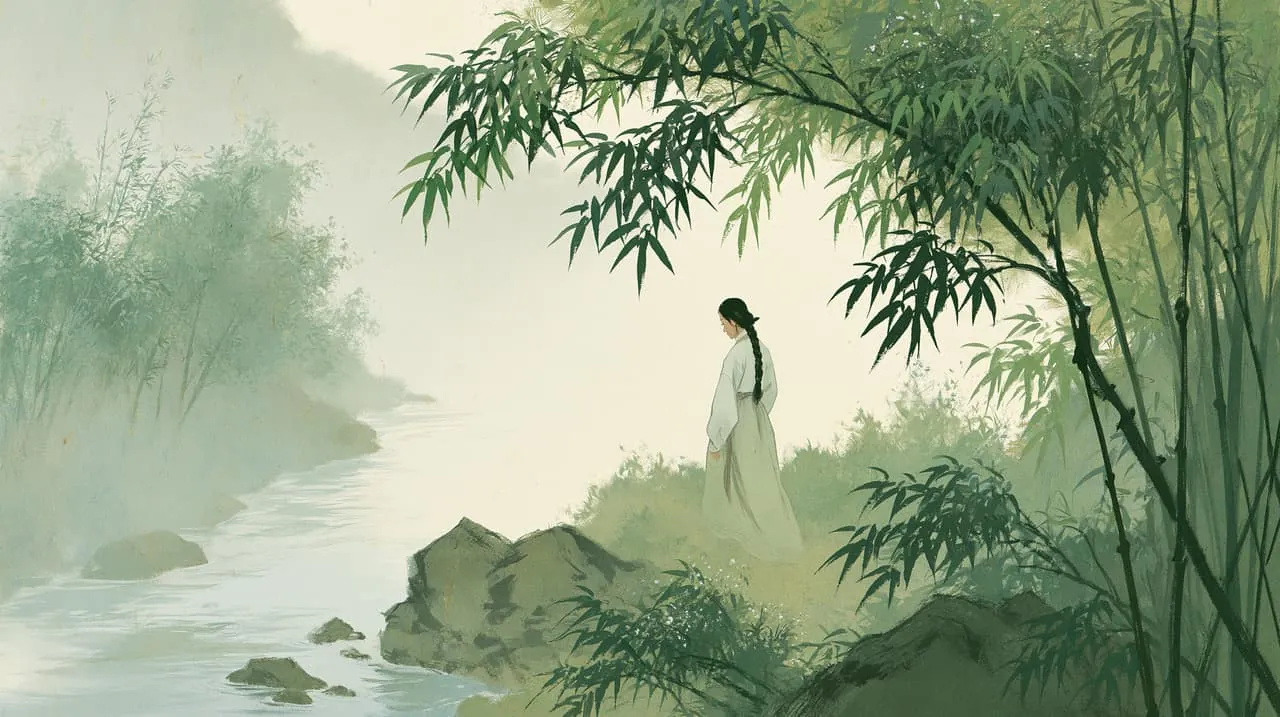
Thirty-Nine Female Lead's Yin Water Energy in Saju Explained
Why does Cha Mi-jo from Thirty-Nine feel like she's always grieving? Her Yin Water Saju energy explains everything about her love and loss.
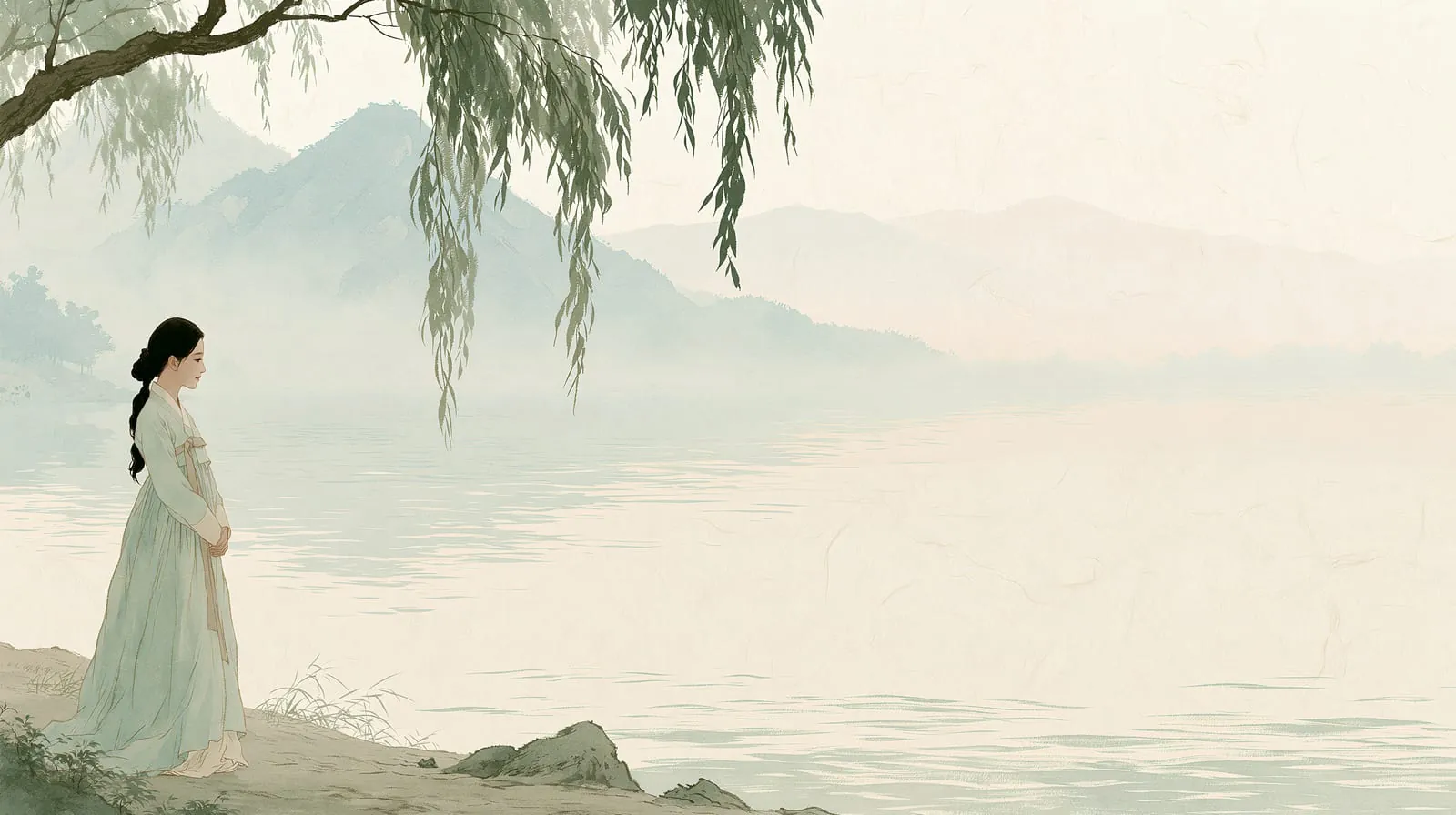
Thirty-Nine Female Lead's Yin Water Energy, and Why It Hits So Different
If you've watched Thirty-Nine and spent the whole drama feeling like Cha Mi-jo was holding a grief she couldn't quite name, you're not imagining it. That specific ache, the kind where you're loved and surrounded by people and still feel like something precious is already slipping away, that's one of the most recognizable signatures of deep Yin Water energy in a Saju chart. I've sat with clients like this. You probably know someone like this. Maybe you ARE this person.
This isn't just good writing by the show's creators. That quality Mi-jo carries, loving people so intensely it almost feels like mourning, is something the Four Pillars of Destiny framework maps with scary precision. If you want to see where your own elemental energy sits, you can start with a Saju reading online and see what your chart reveals.
Let me break this down properly, because Yin Water is one of the most misunderstood elements in all of Korean Saju practice.
What Yin Water Actually Looks Like as a Day Master
In the Five Elements system (오행 Ohaeng), Water is the element of winter, of depth, of flowing downward. Its core emotion is fear, but not the kind that makes you flinch. It's more like an existential awareness. A knowing that things end. Water people feel the shape of loss before it arrives.
But here's where it gets specific. There are two kinds of Water in Saju: Yang Water (壬, Im) and Yin Water (癸, Gye). Yang Water is the ocean, massive, powerful, sometimes overwhelming. Yin Water is rain, morning dew, the kind of water that falls quietly and soaks into everything without making a sound.
Cha Mi-jo is textbook Yin Water Day Master energy. The signs are all there in how she's written.
She doesn't demand attention. She flows toward the people she loves and makes them feel completely seen, sometimes before they've even articulated what they need. She recharges through stillness and solitude, but chooses connection anyway because her capacity for intimacy is almost unbounded. And underneath all of it, there's this low hum of anticipatory grief. Like she already knows that beauty is temporary and she loves people harder because of it.
That last part. That's the Water element's relationship with its own emotion (fear/awareness) combined with the Yin temperament's tendency to turn inward.
Why She Loves So Deeply: The Water Element's Gift
Water's movement in Saju theory is downward and flowing. It doesn't resist. It finds the lowest point and pools there. In human terms, this looks like radical acceptance, like an ability to sit with people in their most uncomfortable truths without needing to fix anything.
Mi-jo does this constantly in the drama. She holds space for her friends' fear, her mother's rigidity, her patients' vulnerability. She absorbs emotional weight the way actual water absorbs heat. Silently and completely.
This is why Water types make extraordinary advisors, friends, and partners. They offer a quality of presence that feels almost therapeutic. Depth over breadth, always. A Yin Water Day Master (일간 Ilgan) doesn't do surface-level. Every connection goes somewhere real or it doesn't happen at all.
The Water feeds Wood in the productive cycle (상생): Water nourishes roots, enables growth in others. Mi-jo does this literally in the drama, she enables her friends' courage, her patients' healing, her love interest's emotional opening. She is the rain that feeds everyone else's growth.
The cost? Producing always drains the producer. That's not poetic license, that's actual Saju mechanics.
The Grief That Hasn't Happened Yet: Water's Relationship with Time
Here's the thing about Yin Water energy that I find most striking in my practice. These individuals have a non-linear relationship with loss. They don't wait for bad things to happen to grieve them. They feel the fragility of the present so acutely that joy and sorrow arrive simultaneously.
Mi-jo sitting at a dinner table, laughing with her two best friends, and you can see in her eyes that she's already missing the moment while she's still in it. That's not depression. That's deep Yin Water consciousness.
In Saju, the 12 Life Stages (포태법) give each element an energy phase. If Mi-jo's chart placed her Water Day Master in a Decline (쇠) or Sickness (병) phase during the drama's timeline, this would amplify exactly that quality: wisdom replacing force, perception turning inward, a heightened sensitivity to endings.
The Sickness stage in particular is often misread. It's not literally illness. It's the energy that makes someone perceptive to the point of almost prescient sensitivity. Sickness stage Yin Water people feel what's coming. Not psychically, just emotionally intelligent in a way that runs ahead of events.
This is Mi-jo. She loves in advance. She grieves in advance. She's fully present and somehow already on the other side of it.
For anyone who recognizes this pattern in their own relationships, a Saju love reading can actually map out why you connect and lose the way you do, and what elemental pairing might offer more stability without asking you to stop feeling deeply.
What Mi-jo's Yin Water Energy Says About Who She Loves
Water's natural compatibility in Saju is complex. Metal contains Water, gives it structure and shape, like riverbanks that let a river actually flow somewhere instead of spreading into a marsh. This Metal and Water pairing (Deep Well energy) is described as extraordinary intimacy, but with real risk: the Metal can restrict, the Water can feel controlled.
And Water pairs beautifully with Wood, producing it, feeding it. But the risk is that Water loses itself in nourishing someone else's growth.
Mi-jo's love relationships in the drama carry both these signatures. She pours herself into people. She finds partners and friends who need her depth, her steadiness, her capacity to witness. And she often ends up giving more than she receives, not because she's a pushover, but because giving IS her natural elemental movement. Downward. Toward others. Into the ground.
What she actually needs in a partner, from a Saju perspective, is someone with enough Earth energy to give her a shape to flow within. Earth dams Water, yes, but in relationships this looks like containment and groundedness. Earth gives Water a basin. Without that, Yin Water energy can diffuse completely into caring for others until there's no self left to return to.
Why This Drama Resonates with a Whole Generation
Thirty-Nine is about the threshold of 40. About a specific season of life where you're old enough to know that good things end and young enough that losing people still feels unfair.
This is the emotional territory that Yin Water energy was made for. If you have significant Water in your Saju chart, or if you're currently in a Water-heavy Grand Fortune period (대운 Daeun), this drama probably landed differently for you than it did for others. Not just as entertainment. As recognition.
If you want to go deeper into understanding your own elemental makeup and why certain seasons of life or certain relationships feel like they're resonating at a frequency you can't explain, the free Saju ebook is a great place to start before jumping into a full reading.
Frequently Asked Questions
What is Yin Water energy in Saju?
Yin Water (癸, Gye) is one of the ten Heavenly Stems in the Four Pillars of Destiny system. It represents rain, dew, and flowing moisture rather than the ocean. As a Day Master, Yin Water people tend to be deeply empathic, perceptive, and intimacy-driven. They often feel things before others do and carry an innate awareness of impermanence.
Why do Water element people feel like they're always grieving?
In Korean Saju, Water's core emotion is fear, but at its depth this manifests as an acute awareness of endings. Water people don't suppress this awareness; they live alongside it. This creates a specific emotional texture where joy and anticipatory grief coexist. They love deeply precisely because they feel acutely how temporary things are.
Is the feeling of anticipatory grief a spiritual sign or something else?
In Saju it's elemental, not supernatural. It's the Water element's natural movement: downward, inward, toward depth. If you also have Water in your Month or Year Pillar, or if you're currently in a Water Grand Fortune (대운), this tendency can intensify significantly. It's worth reading your full chart to understand the full picture.
What Saju element is most compatible with Yin Water Day Masters?
Yin Water Day Masters tend to form deep bonds with Metal energy, which gives them structure and containment. Earth energy can provide grounding. Wood partnerships feel natural because Water nourishes Wood, though the risk is self-depletion. Each pairing has its own specific dynamics depending on the full chart composition, not just the Day Master alone.
Cha Mi-jo loves the way rain loves the ground: completely, quietly, and without asking for anything back. That's Yin Water. And if any part of this resonated with how you move through love and loss, your own Saju chart has a lot more to tell you.
Discover Your Destiny
Curious about your own chart?
Get a free mini reading, then unlock your full Four Pillars report from a certified Saju master.