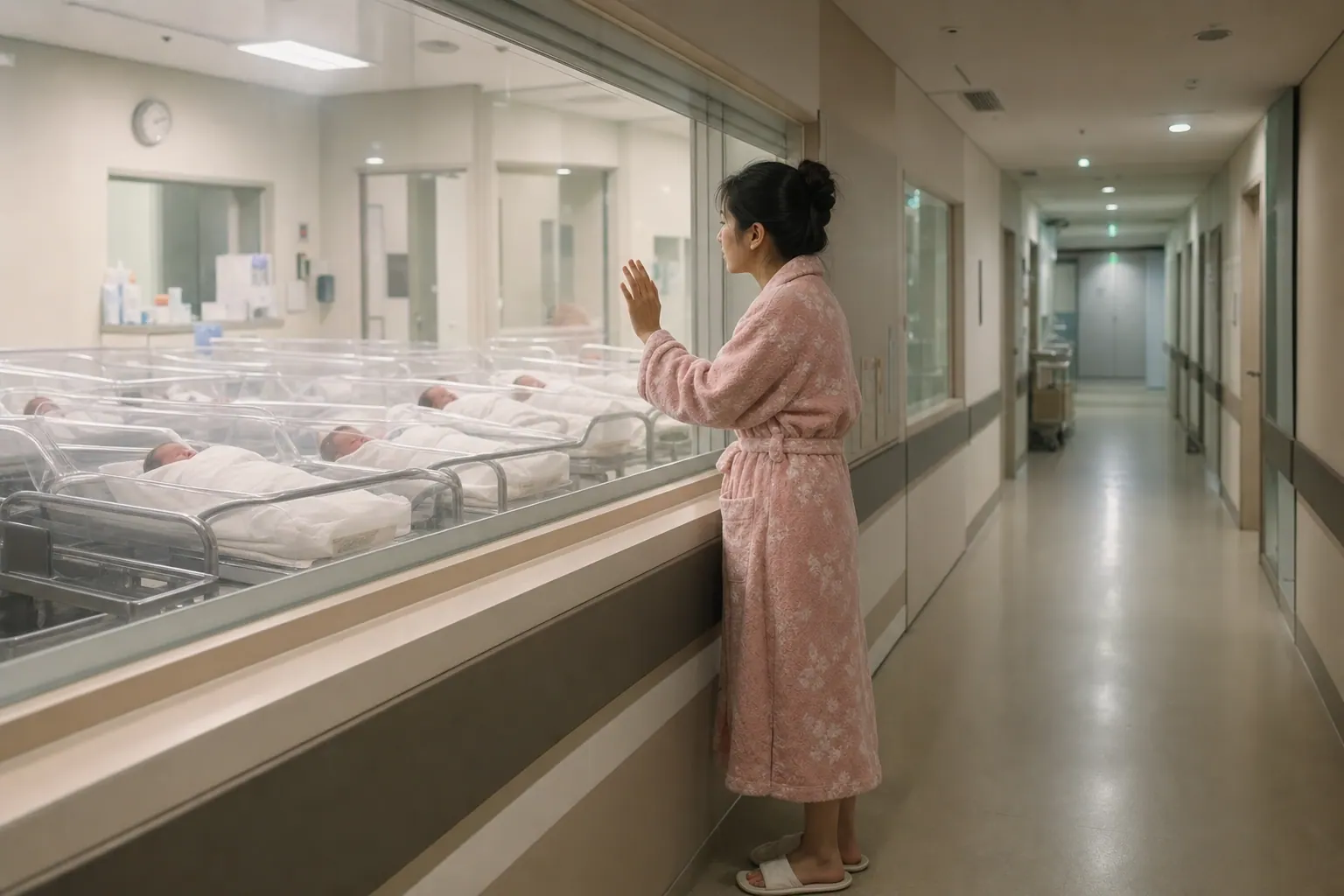
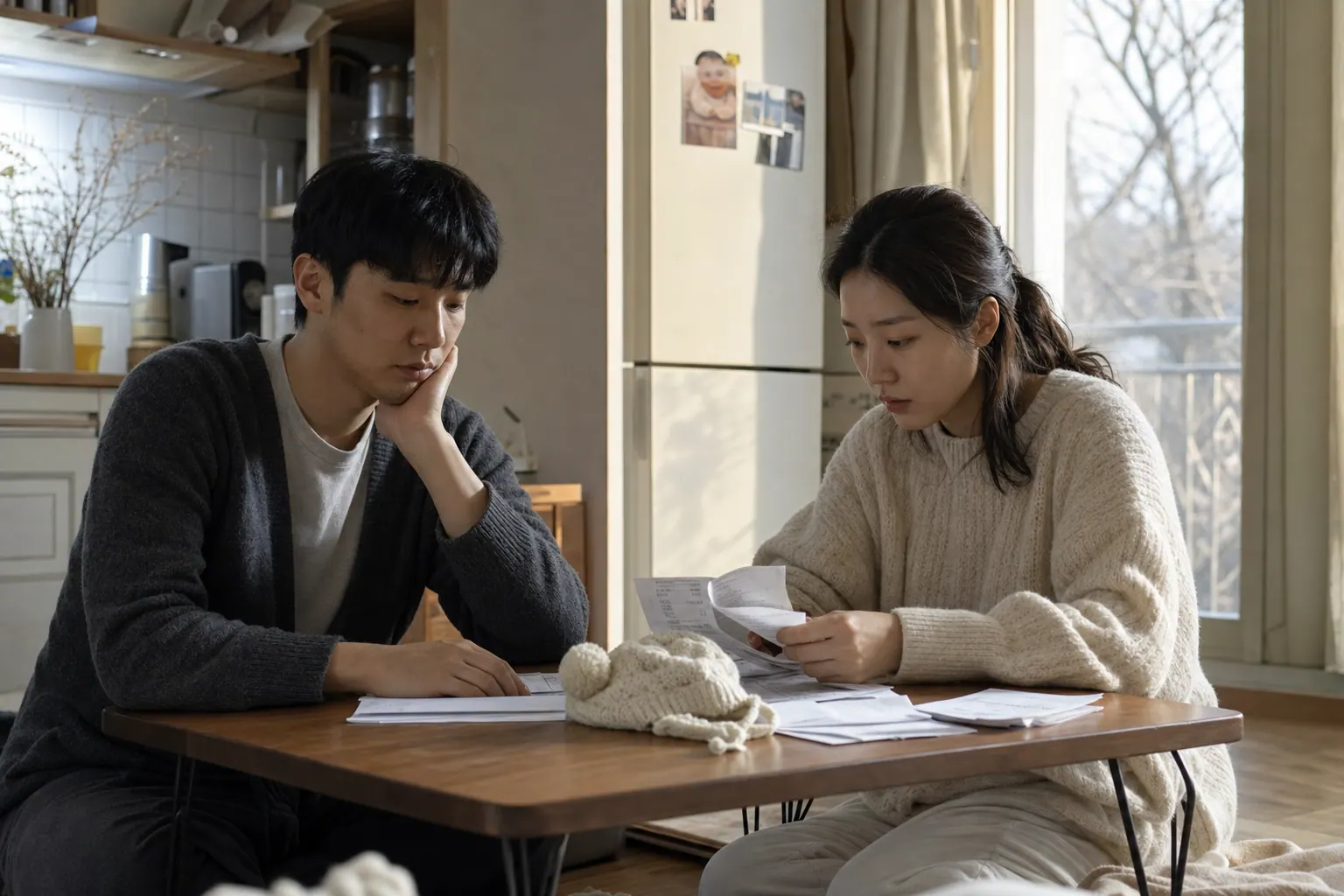
The Arithmetic of Small People
On readiness, timing, and the quiet math families do when they ask a birth chart how many children are coming and how they will turn out.
From the editor
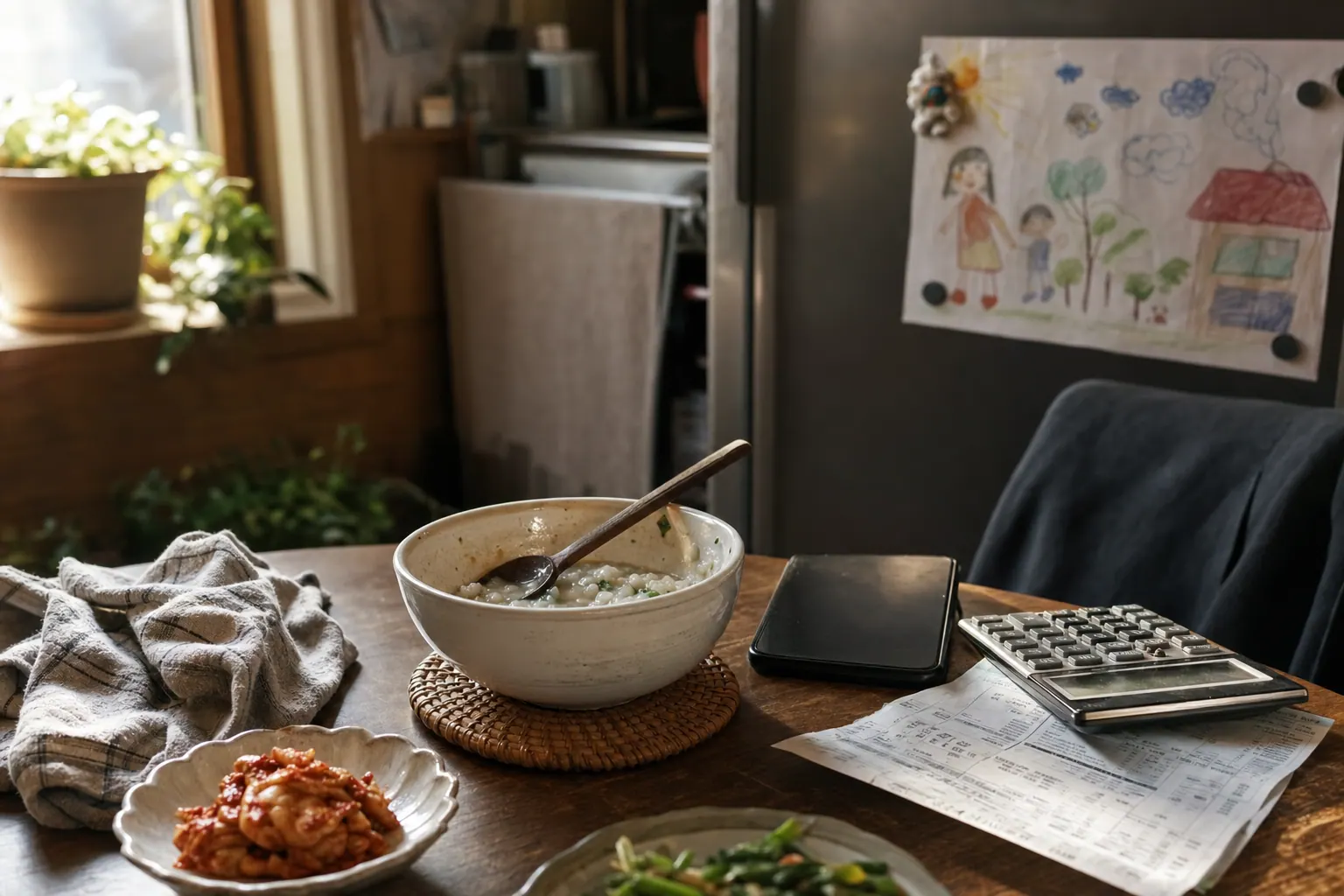
The most common thing people bring to a reading about children is not a question. It is a spreadsheet with feelings attached. They want to know when, how many, and whether the ones already here will be alright, and underneath that they want to know whether they themselves are ready, which is a thing no chart has ever confirmed to anyone in the history of the practice. I have come to find this endearing rather than exhausting. Saju, the Korean practice of reading a life from the birth moment, is often treated as a vending machine for certainty, and the topic of children is where that treatment gets most tender and most stubborn. This issue is about that tenderness, and about the dry comedy of adults trying to schedule the unschedulable. We wanted a lighter touch here, because the subject is heavy enough on its own. A person asking whether to have a second child is usually not asking about fate. They are asking whether they can afford the person they already are, plus one. The chart cannot balance that for them. What it can do is describe the weather they tend to carry into rooms, and let them decide who else should stand in it.
The Ones Who Know Versus the Ones Who Wait
There is a recurring contrast in stories about family, between the parent who is told what is coming and the parent who is simply told to keep going. The premise of a character who can see a child's future reveals what most families actually live without, which is any advance notice at all. When a story hands someone certainty about their child, it exposes by contrast how the rest of us parent entirely on faith and back pay. What looks like a gift in fiction, knowing exactly how the small person turns out, quietly admits that the ordinary condition of raising children is not knowing, and doing it anyway. Readers who ask how their children will fare are usually not asking me to be that all-seeing character. They are asking permission to stop auditioning for the role.
On the Scene · From the Counseling Room
Roughly one in six readings I do on the subject of children follows a pattern I have started calling the readiness audit. A couple, or more often one member of a couple sent as an envoy, arrives with the timing question phrased as though it were a logistics problem. They have picked a year. They have a rough plan for savings and leave. What they actually want is for the chart to sign off on the plan so that if it goes badly, the responsibility is at least shared with the cosmos. The tell is that they ask about timing first and readiness last, when readiness is the only real question in the room. In these sessions I usually find a person whose chart shows plenty of drive and very little rest built in, someone who has organized an entire adult life around productivity and is now trying to schedule a child into a calendar that has never once had white space. The useful conversation is not about the auspicious year. It is about who, in this household, is expected to absorb the disruption, and whether that person has been asked or merely assumed. More than once the envoy realizes mid-reading that they came alone because the partner considers the matter settled, and that this, not the birth year, is the thing worth going home to discuss.
The second pattern, slightly less frequent but heavier when it arrives, is the parent already raising a child who comes in asking how that child will fare, and means something closer to whether they have already failed. These are people carrying a comparison between the family they can afford and the family they imagined, and the gap between the two has taken on a moral weight it does not deserve. They ask about the child's chart, but they flinch when I describe the child accurately, because a real description of a stubborn, vivid, difficult small person is harder to manage than a vague reassurance. Here the work is almost entirely subtraction. A great deal of what a parent reads as their own shortfall is simply the child being a separate individual with a temperament that arrived fully formed and unpaid for. When I point out that the financial worry and the parenting worry are two problems wearing one coat, and that solving the second does not require solving the first, something usually loosens. They came expecting a verdict on the child. They leave with a slightly smaller verdict on themselves, which is the one they actually needed lowered.

They ask about the year. The real question is who has agreed to absorb the disruption, and whether that person was asked or merely assumed.
Postpartum Life as the Uncredited Sequel
Stories that follow a family past the delivery and into the ordinary grind of feeding, sleeplessness, and reduced income do a specific service that celebratory birth narratives hide. The premise of a work willing to sit in the postpartum months reveals that the arrival is not the climax but the opening credits, whereas stories that end at the birth quietly imply the hard part is finished when it has barely started. Readers asking about balancing family with career and money are living in that uncredited second act, the one fiction tends to skip. When someone tells me they feel behind, they are often comparing their real, unglamorous middle chapter against a culture that keeps ending its stories at the happy announcement. The chart cannot fast-forward them out of the middle. It can at least confirm that the middle is where everyone actually lives.
How Many, and the Question Under It
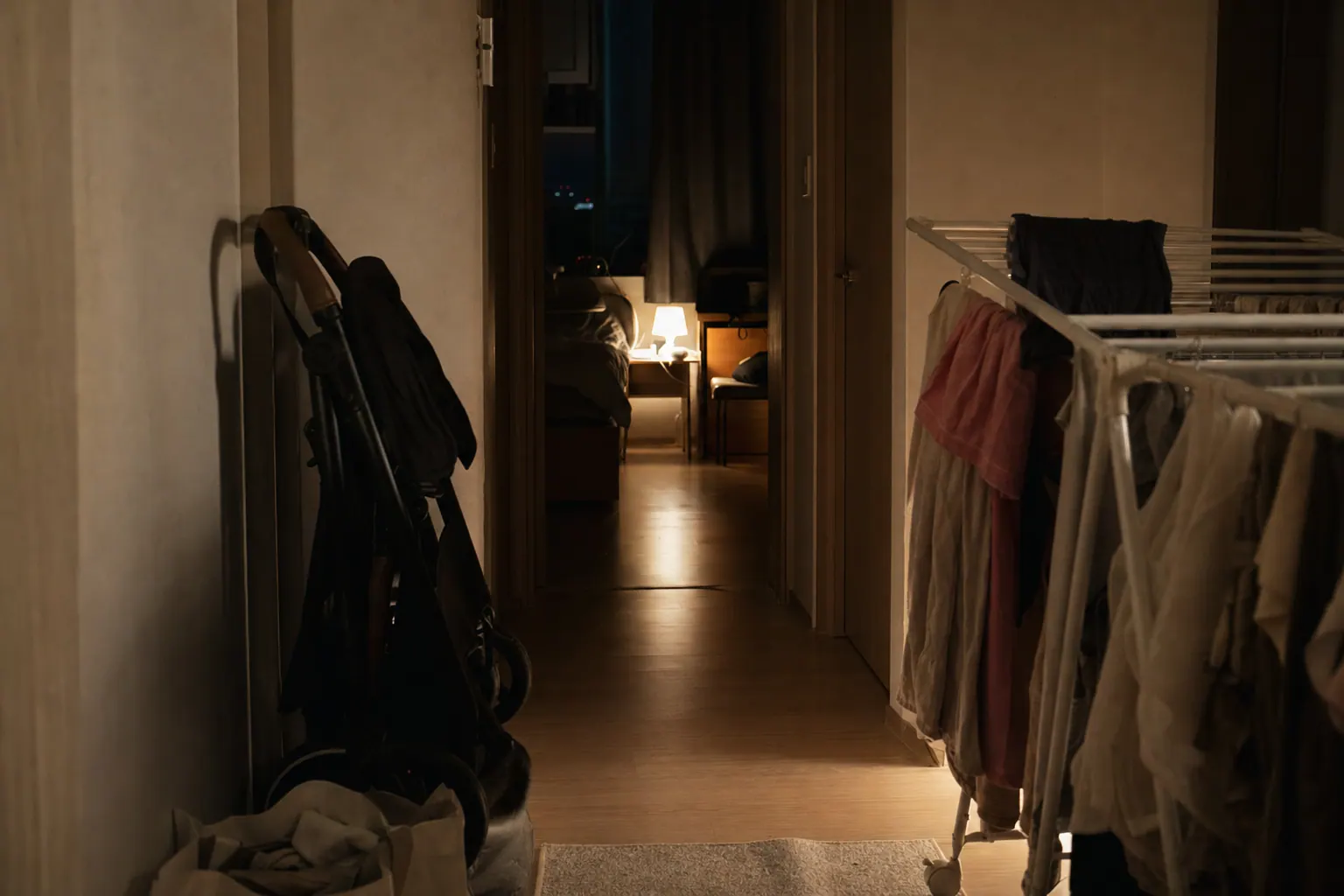
When a reading is asked to name a number of children, the number is rarely the point. Underneath the count is a negotiation about resources, about a partner's willingness, and about how much of oneself a person is prepared to divide. Works about family and financial strain reveal what the number question conceals, which is that each additional child is not only a person but a redistribution of everything already stretched. A story that treats a large family as warmth alone hides the arithmetic, while a story that treats it as burden alone hides the love, and the honest ones hold both at once without resolving them. When readers ask how many children are in their chart, the more useful answer addresses how much support surrounds them, because a chart with strong backing can hold more people than a lonely one, regardless of what the count appears to promise.
If there is a single thread through all of this, it is that people arrive asking the chart to make a decision they already suspect is theirs to make. The timing, the number, the reassurance about a child already here, these are the shapes worry takes when it needs somewhere formal to sit for an hour. I do not think that is a failure of the person or of the practice. It is just what it looks like to care about someone who does not exist yet, or who exists and refuses to be predictable. If any of the questions in this issue sounded like your own, in the timing you keep postponing or the count you keep revising, you are welcome to bring your birth details and sit with it a while. No plan required. Come with the spreadsheet and the feelings both, and we will read what is actually there.
If this sounds like you
Read your own timing.
Start with a free mini reading. When you want the full picture, a certified Saju master writes your complete Four Pillars report.