The Question of Children
On timing, readiness, and the quiet arithmetic of family, read through the Korean practice of Saju.
From the editor
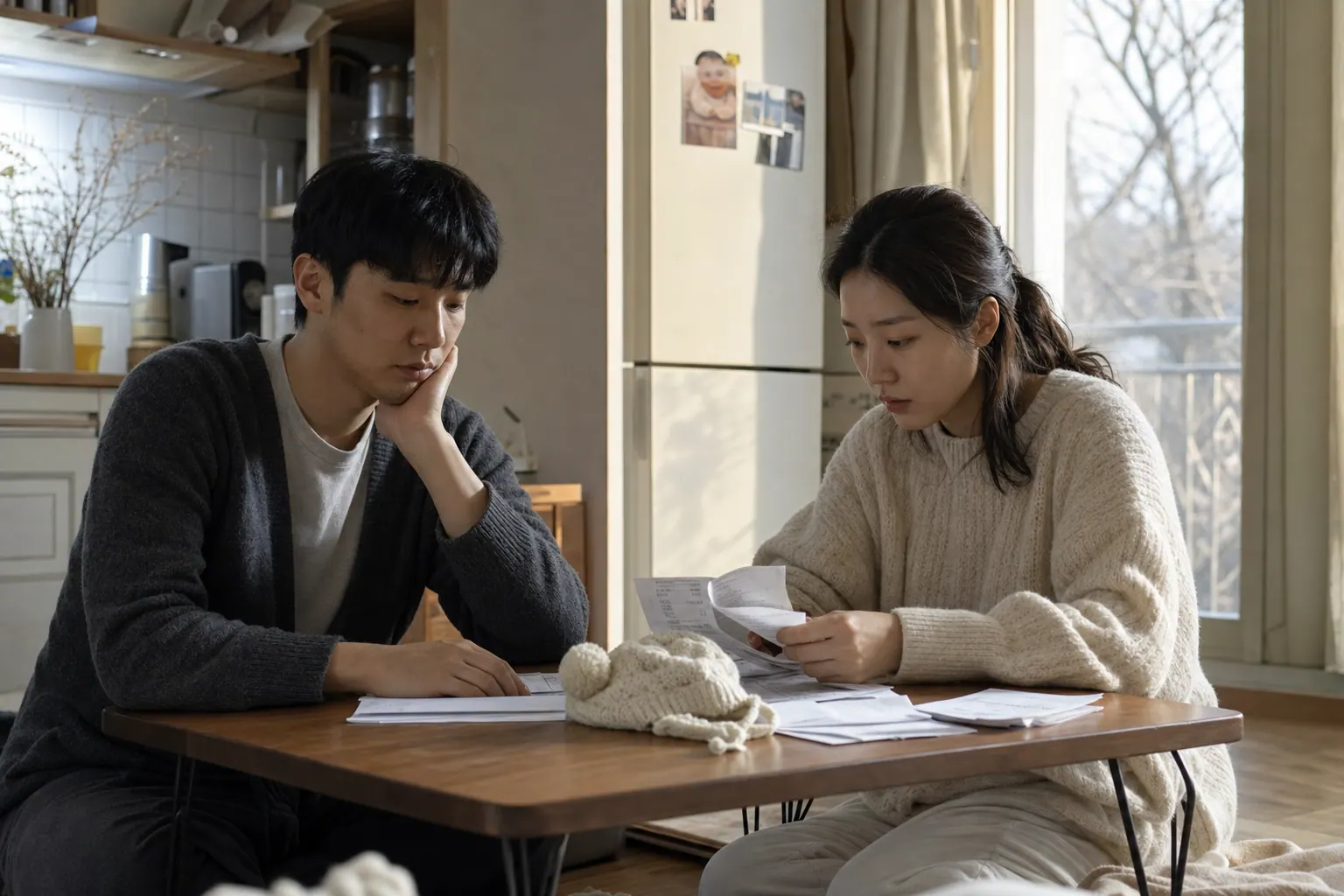
Most people who come to us with questions about children do not begin with the children at all. They begin with money, with a job that keeps changing shape, with a partner who is either present or somewhere just out of reach. The question of when to have a child, or whether to have another, arrives folded inside all of that. This issue is about Saju, the Korean practice of reading a life from the birth moment, and how it holds these worries without pretending to settle them. We do not tell anyone the exact year a child will come. We look instead at what a chart says about a person's capacity to give and to hold, about the seasons in a life when responsibility feels lighter or heavier. A reading is not a promise. It is a way of sitting with a decision you were always going to make yourself. We wrote this issue for the people who ask, quietly, whether they are ready, and who suspect the answer depends on more than they can see.
Reading Readiness Instead of Timing
When someone asks about the right year to have a child, they usually want a date. What a Saju reading offers is closer to a description of conditions. A chart can show years when a person's energy runs thin, when work demands nearly everything, and years when there is more room to give attention to someone small and dependent. We speak about these in terms of load rather than luck. If the coming two years look crowded with career pressure and unsteady income, that is worth naming plainly, not because a child would be impossible then, but because the person deserves to know what they would be carrying. Readiness is not a single switch. It is the overlap of a person's own steadiness, their partner's support, and the plain facts of their household. A reading tries to lay those three side by side so the decision stops feeling like a guess made in the dark.
On the Scene · What Comes Up at the Table
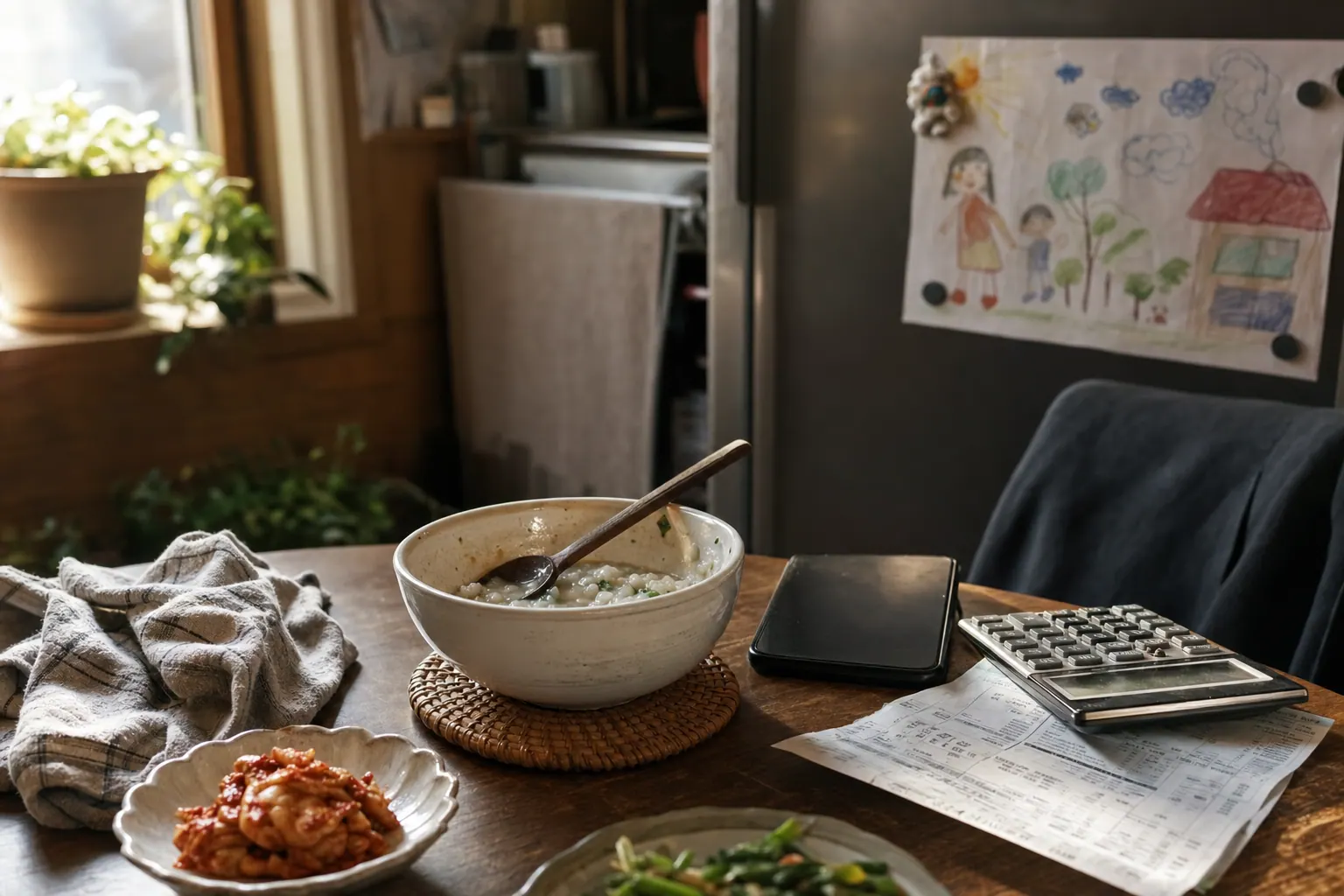
In the consulting room the same shape repeats. A person sits down meaning to ask about children and spends the first ten minutes on their salary and their partner's silence. Roughly one in six readings we give in a season turns on this exact knot, the wish for a child tangled with a fear that the money and the marriage cannot hold one. We have learned to let the conversation go there first. Only after the practical worries are spoken aloud does the real question surface, which is almost never how many children or what year. It is whether they themselves are enough. The chart cannot answer that with a number, but it can show where a person has already carried weight and endured, and pointing to that history often does more good than any forecast about a future birth.
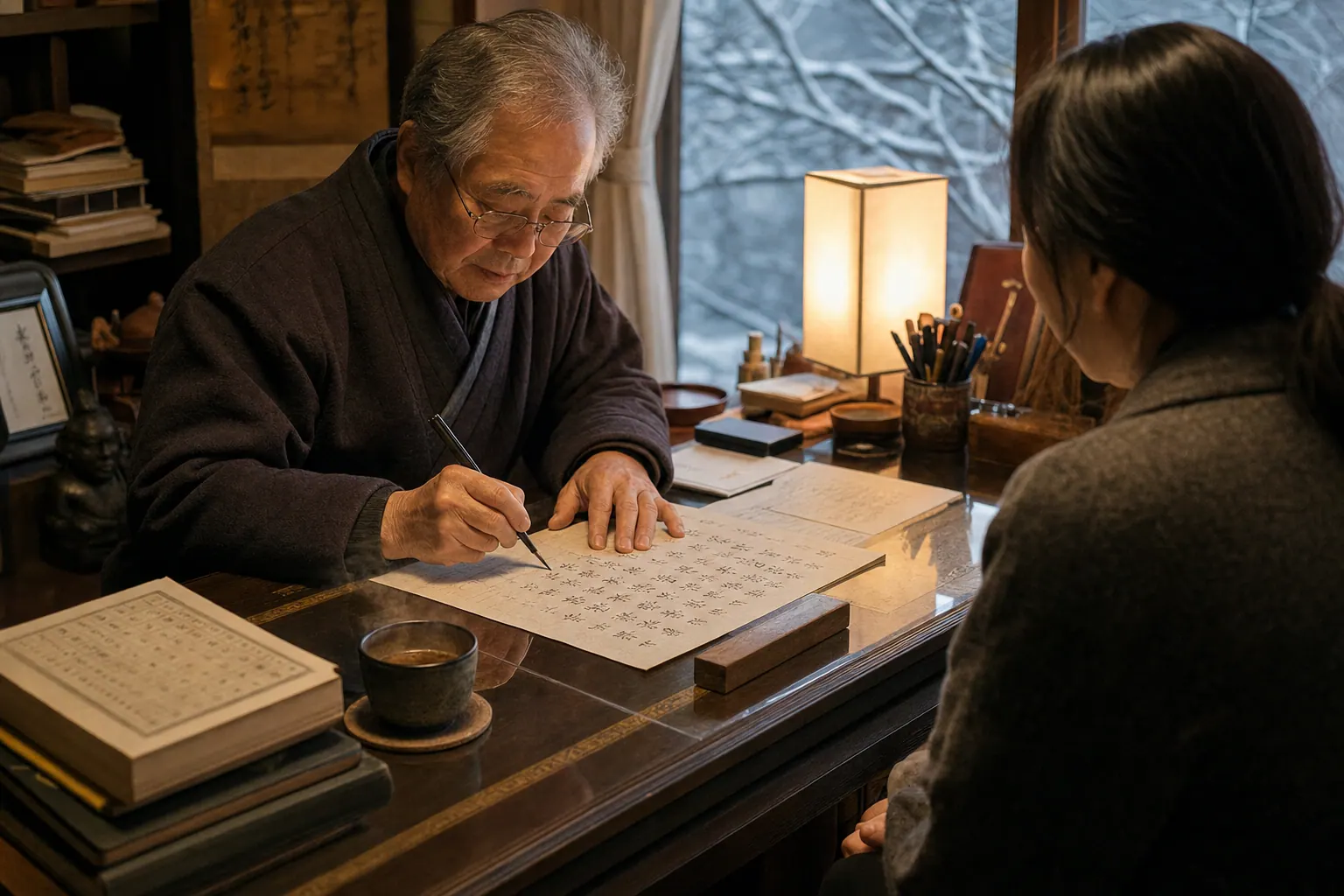
They come asking how many children they will have. They leave having finally said out loud that they are afraid of not being enough.
How Existing Children Are Read
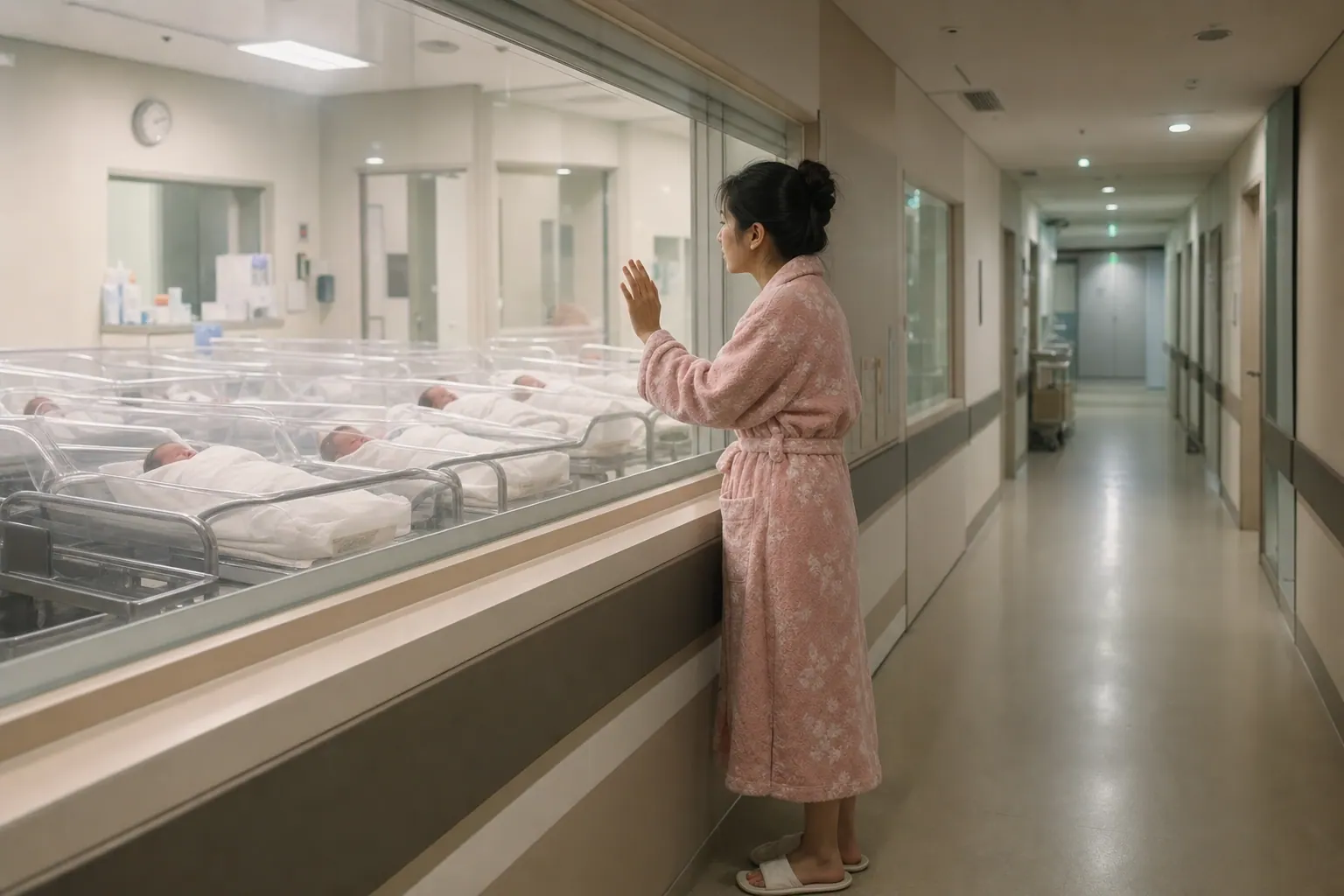
Parents who already have children often ask a different question. They want to know how a son or daughter will fare, whether the child will find their footing in study, in work, in relationships. Here we are careful. A child has their own birth moment and therefore their own chart, and we do not read a young person's whole future as if it were fixed. What we can speak to is temperament, the natural grain of how a child meets the world, whether they lean toward caution or toward risk, whether they need steadiness from a parent or space to move. Parents usually recognize the description before we finish it. The value is not prediction but permission, the sense that a child's difficult streak or slow start is a shape to work with rather than a fault to correct. Balancing this against a parent's own work and money worries is the harder part, and it belongs to the family, not to the chart.
When a Story Does the Work a Reading Cannot
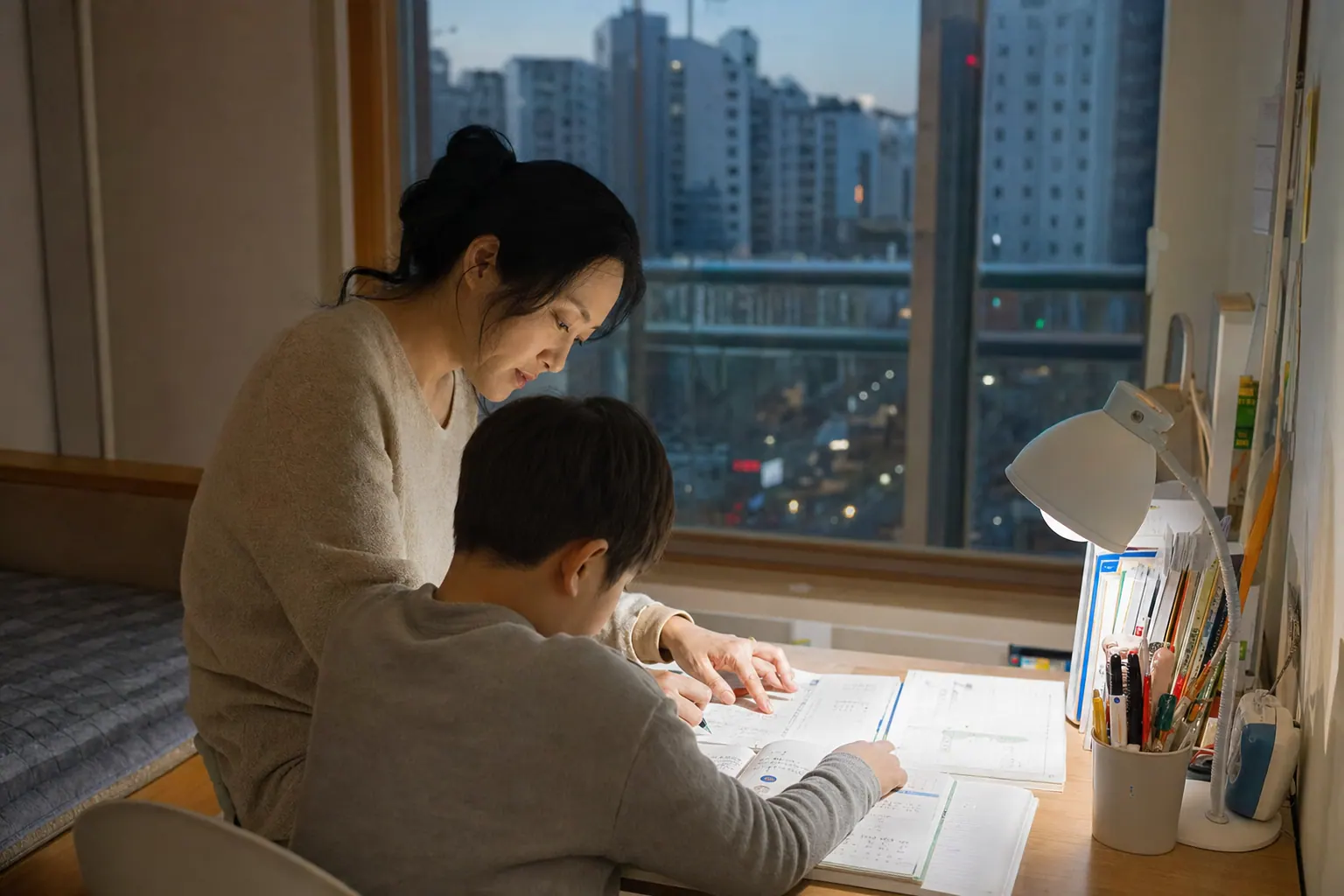
Sometimes people understand their own situation better through a story than through a chart. The drama Our Universe (오늘도 사랑스럽개) is worth naming here because it treats care and companionship as ordinary daily labor rather than grand romance, and viewers who worry about whether they can look after another life often find something steadying in that plainness. We mention it not as a substitute for a reading but as company for the same questions. A reading and a story approach the matter from opposite ends. One begins with a person's birth moment and works outward toward the choices ahead. The other begins with a made scene and lets the viewer recognize themselves inside it. Both are ways of asking whether a person is ready to hold someone, and both leave the answer where it belongs, with the person doing the asking.
If you are turning the question of children over in your mind, you are already doing the honest part of the work, which is looking at it directly instead of waiting for it to decide itself. Money, timing, a partner's support, the children you have and the ones you imagine, these belong in the same conversation, and none of them has to be settled today. When you feel ready to lay your own birth moment beside these worries and see how they sit together, we would be glad to read it with you, gently and without hurry, whenever you choose to come.
If this sounds like you
Read your own timing.
Start with a free mini reading. When you want the full picture, a certified Saju master writes your complete Four Pillars report.