The Ledger of Small People
On readiness, timing, and the arithmetic of children, read through Saju and one honest television comedy about the business of becoming a parent.
From the editor
Most people who ask about children arrive already holding a spreadsheet in their heads. They want to know when, and how many, and whether the ones they already have will turn out fine, and they usually ask all three in the same breath, as if timing and quantity and outcome were a single question wearing three coats. They are not, though they do keep close company. Saju, the Korean practice of reading a life from the birth moment, does not hand back a delivery date or a headcount. What it offers is quieter and more useful, a sense of when a person's own energy has room in it for another person, and when it does not. This issue leans into that distinction with a lighter hand than usual, because the subject invites it. Parenthood is one of the few serious things that is also, reliably, a little absurd. We wanted to honor both halves. You will find one Korean drama named here by title and read for what it actually shows, two counseling-room patterns we hear often, and no promises about the sex or number of your future children, which no honest reader should give you anyway.
Competence Does Not Transfer
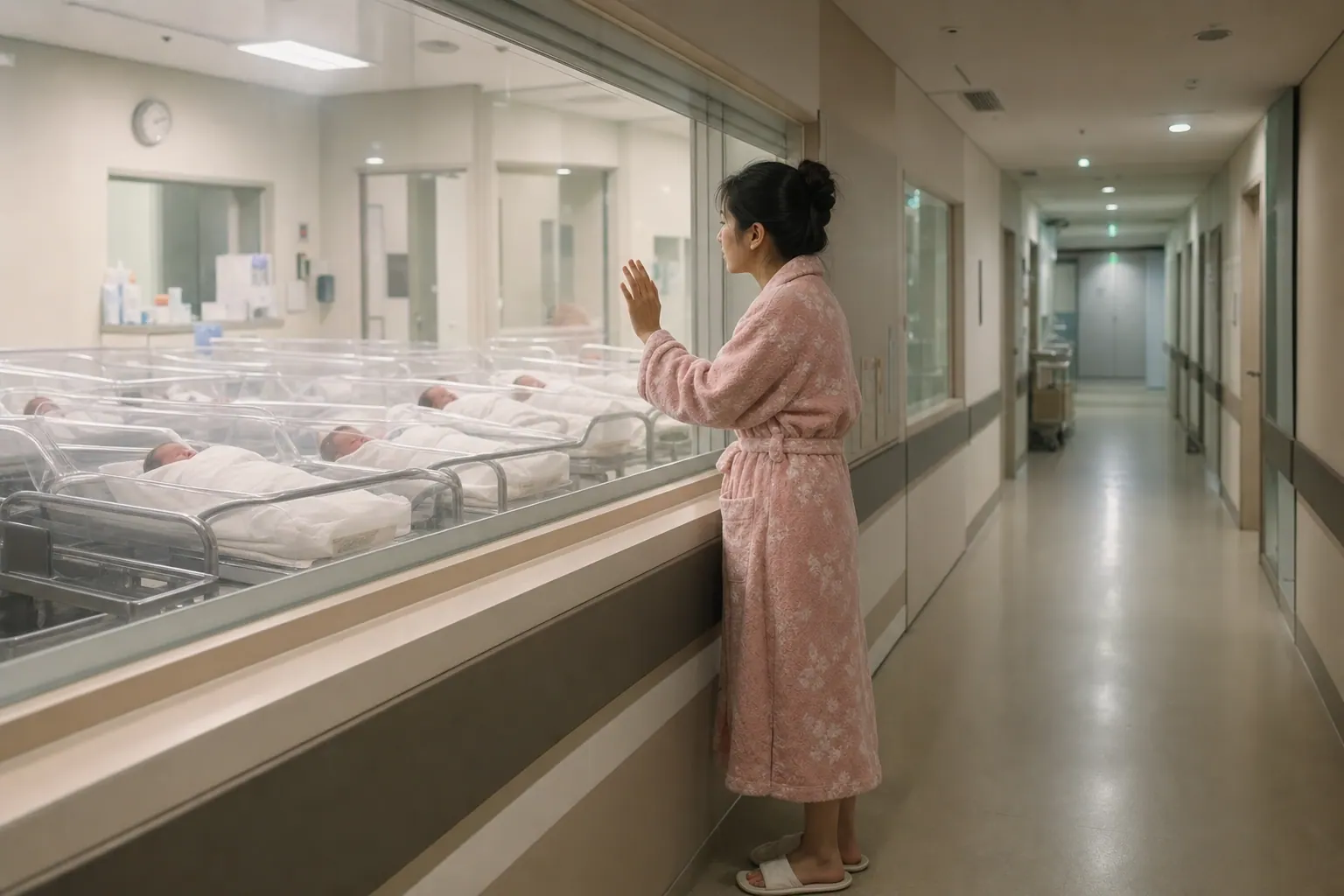
The tvN drama Birthcare Center (산후조리원 / Sanhujoriwon) opens with a woman who is the youngest executive at her company and the oldest first-time mother in her recovery center, and the joke it keeps returning to is that these two facts do not help each other at all. Her spreadsheets, her fluency in meetings, her hard-won authority, all of it resets to zero the moment she is ranked by how well she breastfeeds. What the premise reveals is something readings confirm constantly, that readiness in one domain of a life says almost nothing about readiness in another. A person can run a department and still be a beginner at holding a stranger who happens to be their own child.
On the Scene · Two People Who Came to Ask About One More
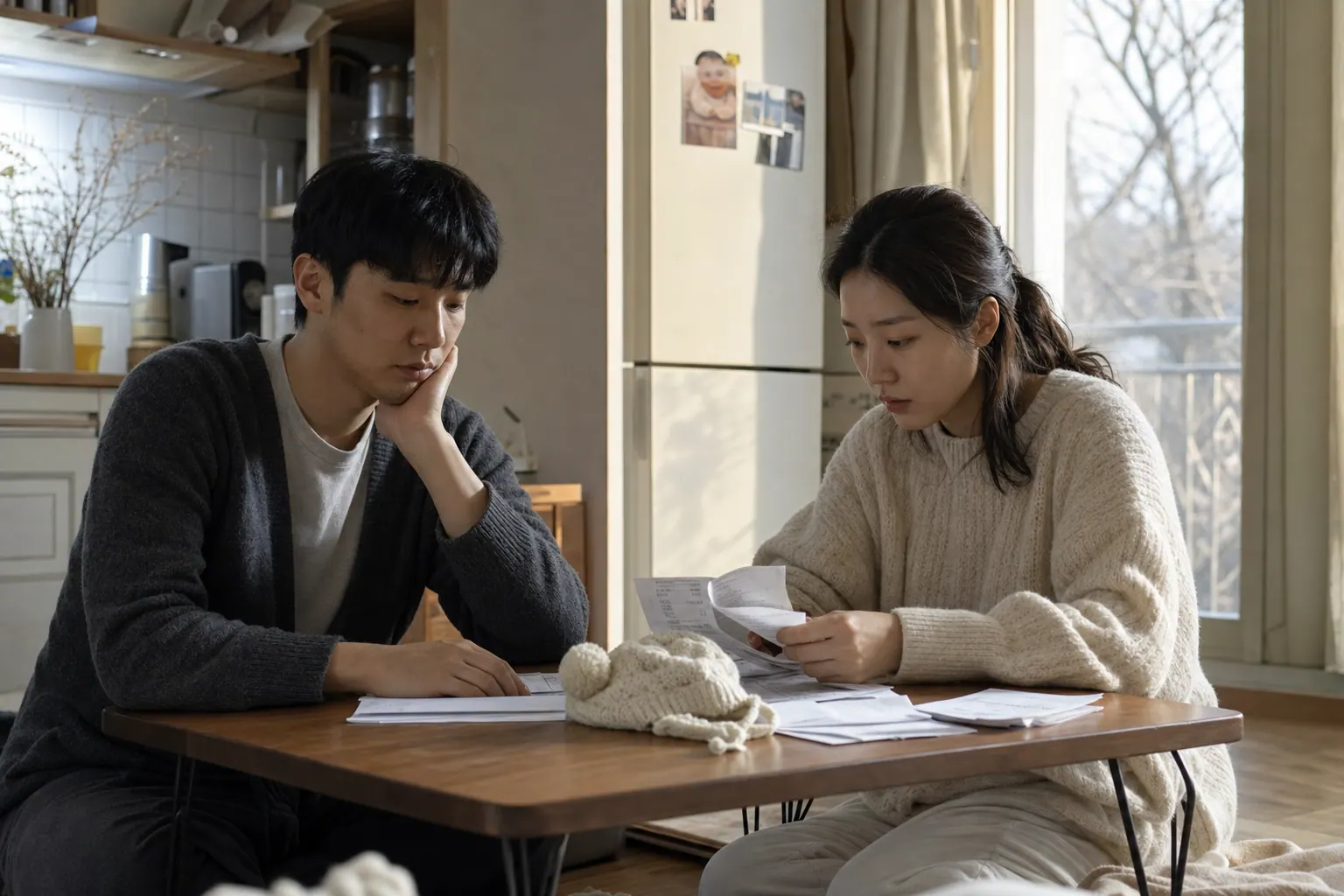
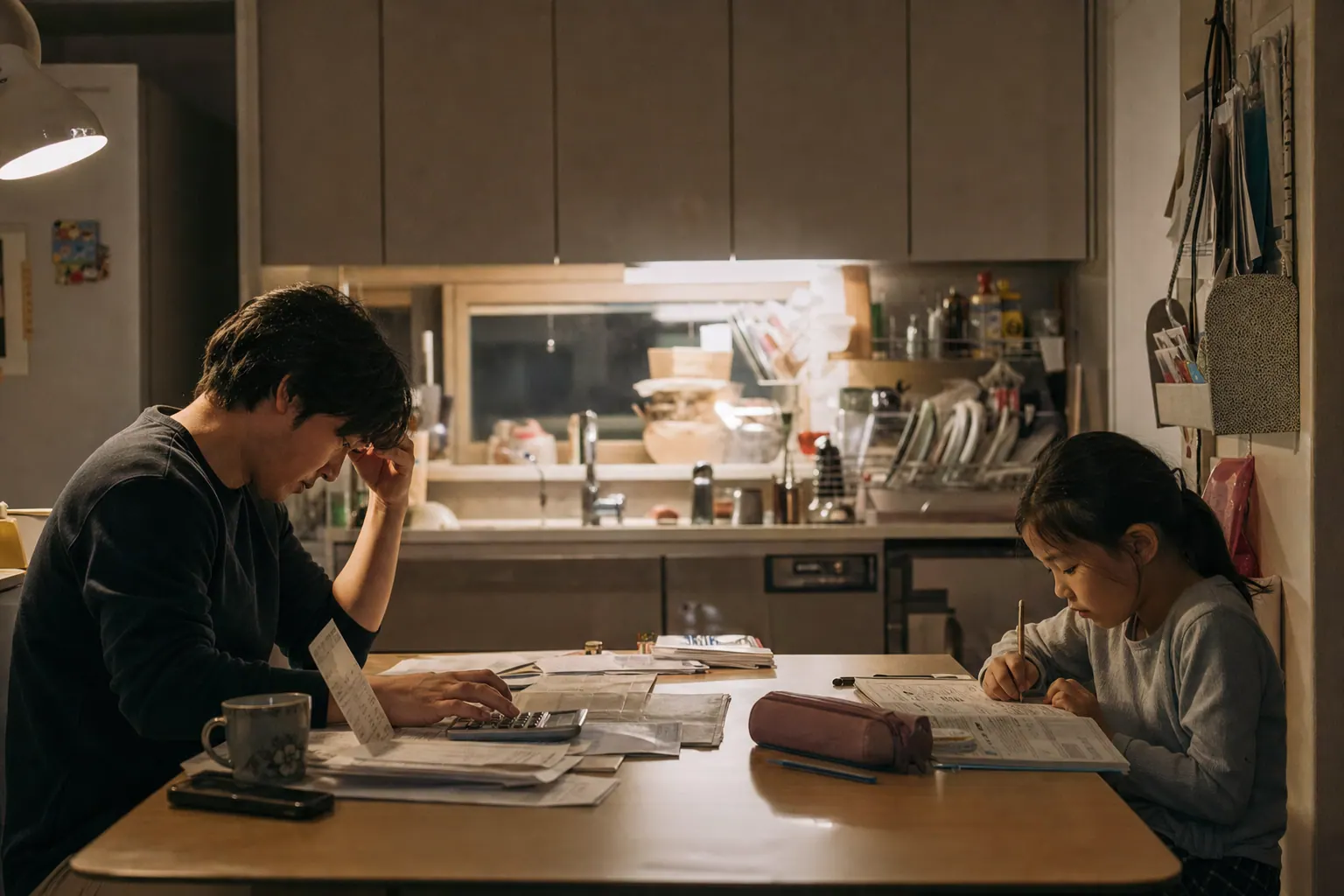
Roughly one in six readings about children turns out not to be about children at all, and two patterns account for most of them. The first is the person, usually in their early to mid thirties, who asks how many children they will have and whether next year is the right year, but who spends the actual hour describing their partner. Not the child, the partner. Whether he will help. Whether she will still have a career afterward. Whether the money will hold. When I turn the chart toward the year they named, the question that surfaces is rarely one of fertility and almost always one of support, and here the reading tends to be blunt in a way people find both disappointing and a relief. A year can be genuinely open for a child while being crowded for the parent, because the same period asks a great deal of the person at work or in their marriage. Timing a child, in these hours, means honestly timing everything standing next to the child, and most people already suspect this, which is why they book the appointment in the first place. The second pattern is gentler and sadder. It is the parent, often with children already grown enough to have opinions, who does not ask about having more at all. They ask how the ones they have will fare, and they ask it the way you ask about weather you cannot change. What they are really doing is looking for permission to stop auditing themselves. A chart cannot rank a child, and I say so early, but it can often show that a son or daughter carries a steady, self-directed quality the parent has been too anxious to notice, and the moment I describe that quality in plain terms, the parent frequently corrects me with three examples of it from last week. They knew. They came to hear it said by someone who was not obligated to be kind. That is a fair use of an hour, and I do not begrudge it.
A year can be open for a child and still be crowded for the parent, and honest timing means counting both.
The Ranking Hides the Person
The same drama, Birthcare Center (산후조리원 / Sanhujoriwon), builds much of its comedy from a leaderboard of mothers, an unspoken competition over who recovers faster and produces more milk and appears least tired. What the ranking hides, and what the show slowly exposes, is that every woman on it is privately certain she is losing. The public performance of the capable mother and the private arithmetic of exhaustion run on separate tracks that never meet in the hallway. Readings about children carry the same double bookkeeping. People report the version of their family that scores well and ask about the version that keeps them awake, and the useful work is usually in the gap between the two.
What Timing Actually Means
When Saju is asked about the timing of children, the reading does not point to a fertile month like a train schedule. It looks instead at whether the coming years give a person the resources a child requires, meaning money that does not vanish under one emergency, work that bends rather than breaks, and a partner who is present in practice and not only in theory. Birthcare Center (산후조리원 / Sanhujoriwon) is honest about this in its own comic way, since none of its characters are ever fully ready and all of them proceed regardless. The reading's job is not to declare a green light. It is to name which of those supports is thin in a given stretch, so that a couple deciding to go ahead does so with their eyes open rather than merely their hopes.
Children rearrange a life whether or not the timing was ideal, and no chart has ever stopped anyone determined to become a parent, nor should it. What a reading can do is smaller and kinder. It can tell you which year asks less of you elsewhere, which of your existing children needs less worry than you are spending, and where your partner's support is real and where it is only promised. If any of the questions in this issue sounded like yours, you are welcome to bring your birth details and sit with them for an unhurried hour. We will count honestly, and we will not pretend to know your children's futures better than you already do.
If this sounds like you
Read your own timing.
Start with a free mini reading. When you want the full picture, a certified Saju master writes your complete Four Pillars report.