The Harmony You Can Actually Build
On compatibility, what Saju can honestly tell you about a partner, and the difference between a difficult match and a wrong one.
From the editor
Almost every week someone writes to ask the same thing in slightly different words. Is this person right for me. Will we last. Should I keep going or let go. I want to be plain with you about what a reading can and cannot do. Saju, the Korean practice of reading a life from the birth moment, does not hand you a verdict stamped yes or no on another human being. It describes tendencies, the shape of your temperament, the weather you tend to carry into a room. Set two of those charts beside each other and you can see where friction is likely and where ease comes without effort. What you do with that is still yours. The hard truth I keep returning to is that compatibility is less about finding a person who requires no adjustment and more about knowing, before you are three years in, which adjustments you are actually willing to make. This issue is about telling those two things apart.
The Arrangement That Became Real
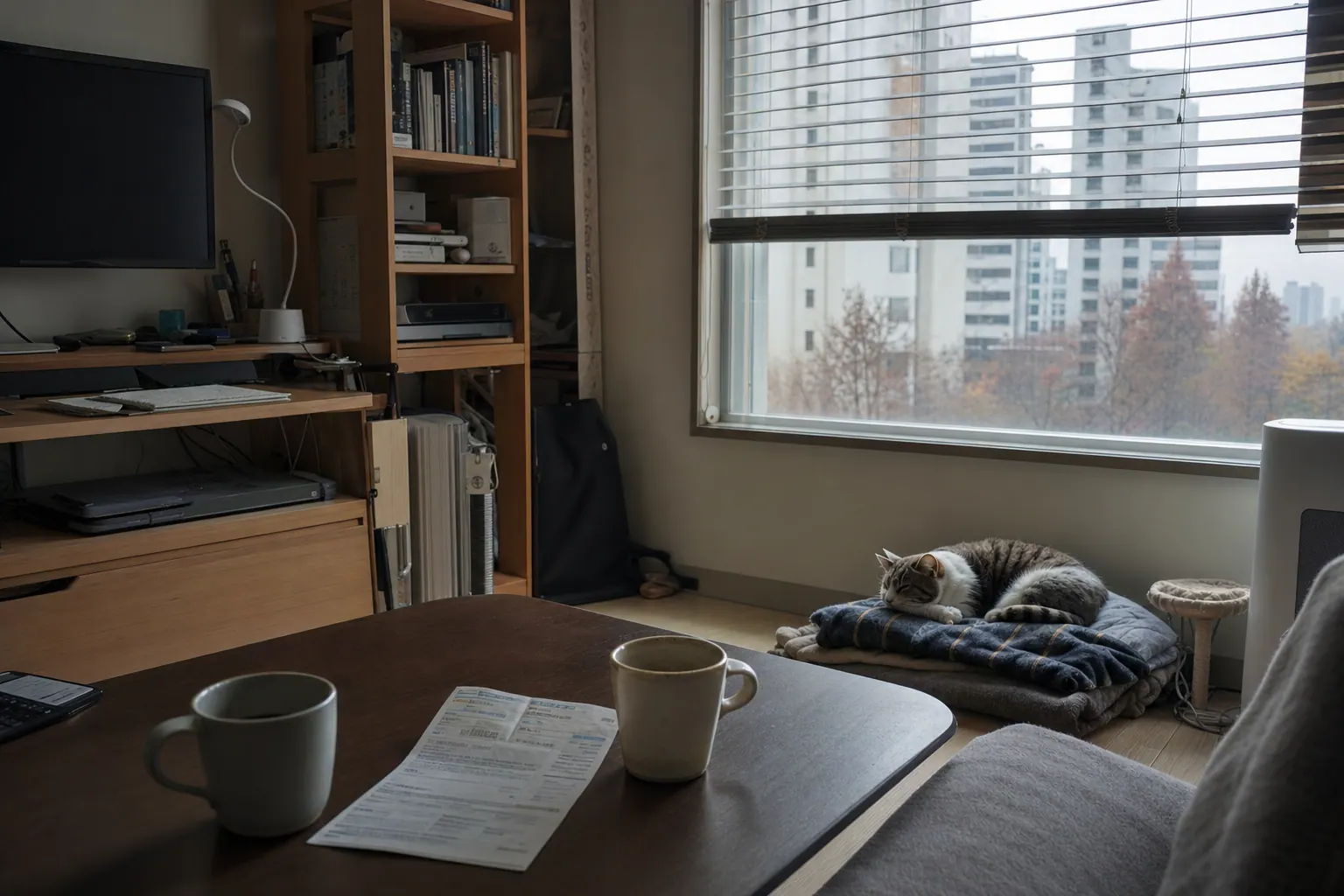
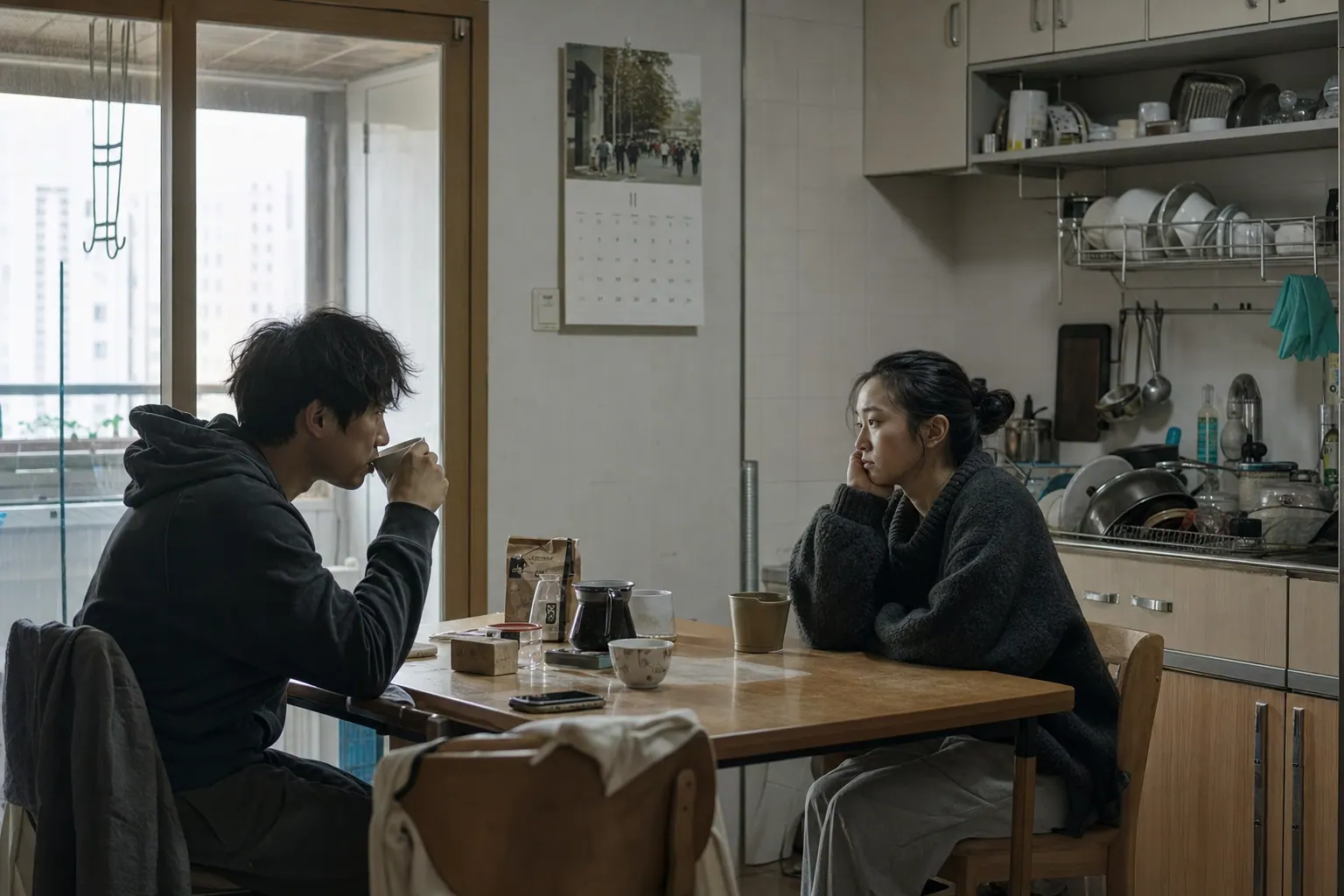
Because This Is My First Life (이번 생은 처음이라) begins with a bargain, not a romance. Two people share a house for reasons that have nothing to do with feeling, and the drama is honest about how unglamorous that start is. What its premise quietly exposes is that early attraction tells you very little about whether two lives can run in the same household. The couple only discover their real compatibility once the rent, the schedules, and the fear of being left have all been named out loud. Saju reads a match the same unromantic way. It asks less whether you light up near someone and more whether your daily rhythms, your spending instinct, your tolerance for silence, can sit in the same space without quietly grinding each other down.
A difficult match asks you to grow. A wrong match asks you to disappear. Learn the difference before you confuse endurance with love.
What Two Charts Show When Placed Side by Side
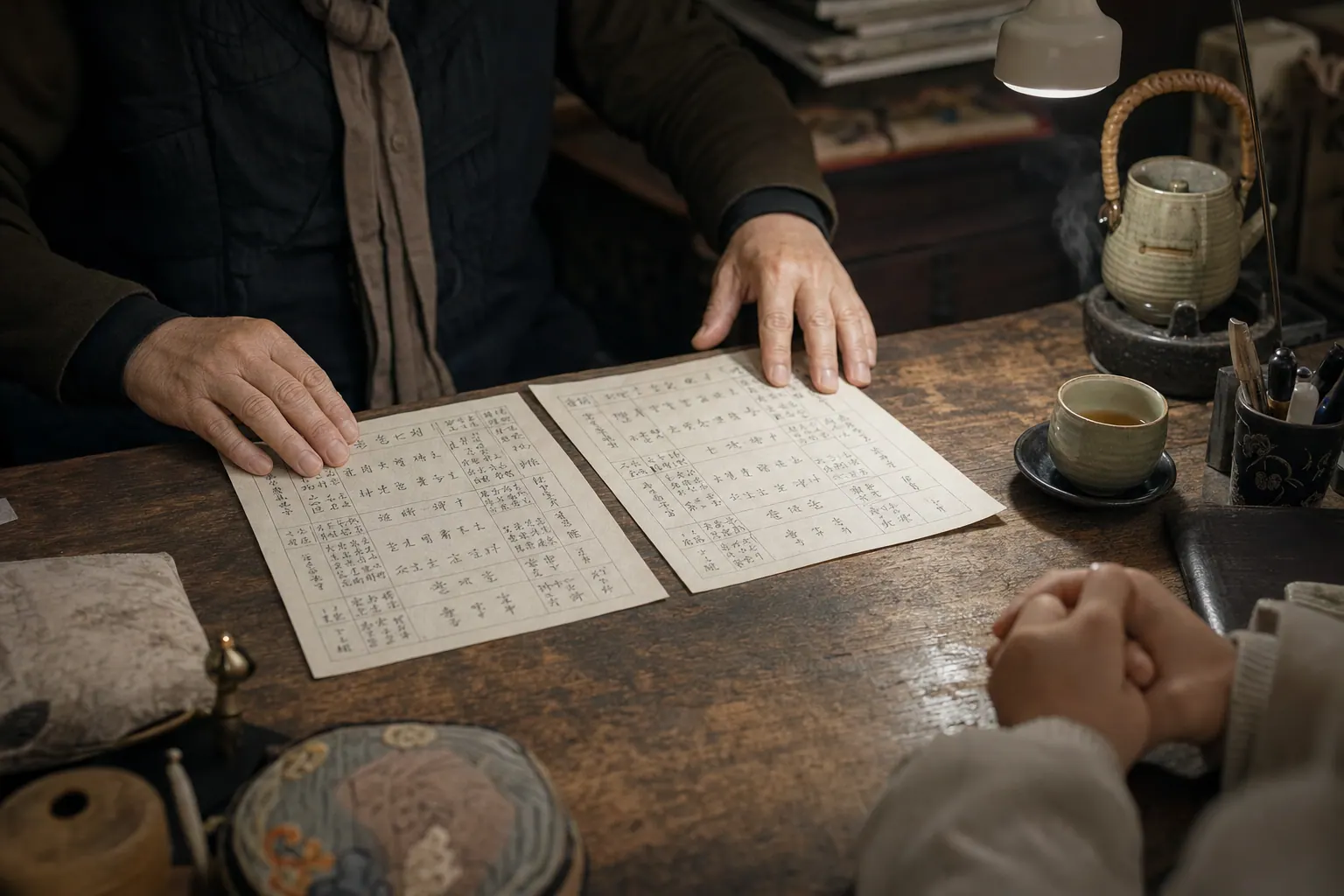
When a reading compares two people, it is not scoring them out of a hundred. It looks at which elements each person leans on and where those leanings meet. One partner may carry a lot of what we call fire, quick to speak, quick to act, and the other may hold more water, slower, inward, needing time before answering. That pairing is not doomed, but it is not free either. It means one of you will usually feel rushed and the other will usually feel unheard unless both of you decide, deliberately, to wait for the other. The chart does not promise this will happen. It only tells you where the cost will show up, so you stop being surprised by the same argument every month.
On the Scene · Two Patterns From the Counseling Room
Roughly one in six readings this season has been about a current partner rather than a future one, and two patterns keep returning with enough regularity that I can almost predict the question before it is finished. The first is the person who already knows the answer and wants the chart to argue them out of it. A woman sits down and describes a partner who is kind in the small things and absent in the large ones, present for dinner and gone whenever a real decision needs two people to carry it. She does not ask whether she should stay. She asks whether the chart shows him changing. This is the hardest moment in the room, because the honest reply is that temperament rarely reverses on its own, and the thing she calls a rough patch has been three years long. Her two charts are not even poorly matched. They fit easily, which is precisely why she has stayed, mistaking the absence of conflict for the presence of partnership. The work here is not to find fault in his birth moment. It is to say gently that comfort and commitment are different things, and that one does not grow into the other by waiting. The second pattern is almost the opposite and arrives just as often. A couple comes in together, already braced for bad news, because they fight and they know they fight. They expect the reading to confirm that they are wrong for each other. What the charts usually show instead is two strong temperaments that collide precisely because both people are fully present and unwilling to vanish. Their friction is not a warning sign. It is the sound of two whole people refusing to pretend. The danger for them is not separation but exhaustion, the slow decision to stop speaking honestly because every honest sentence turns into a long night. For this couple the reading becomes a set of practical boundaries, agreed rooms and agreed hours, a way to argue that leaves the next morning intact. They almost always leave lighter than they came, because no one had ever told them that a demanding match can also be a lasting one.
The Question Behind the Question
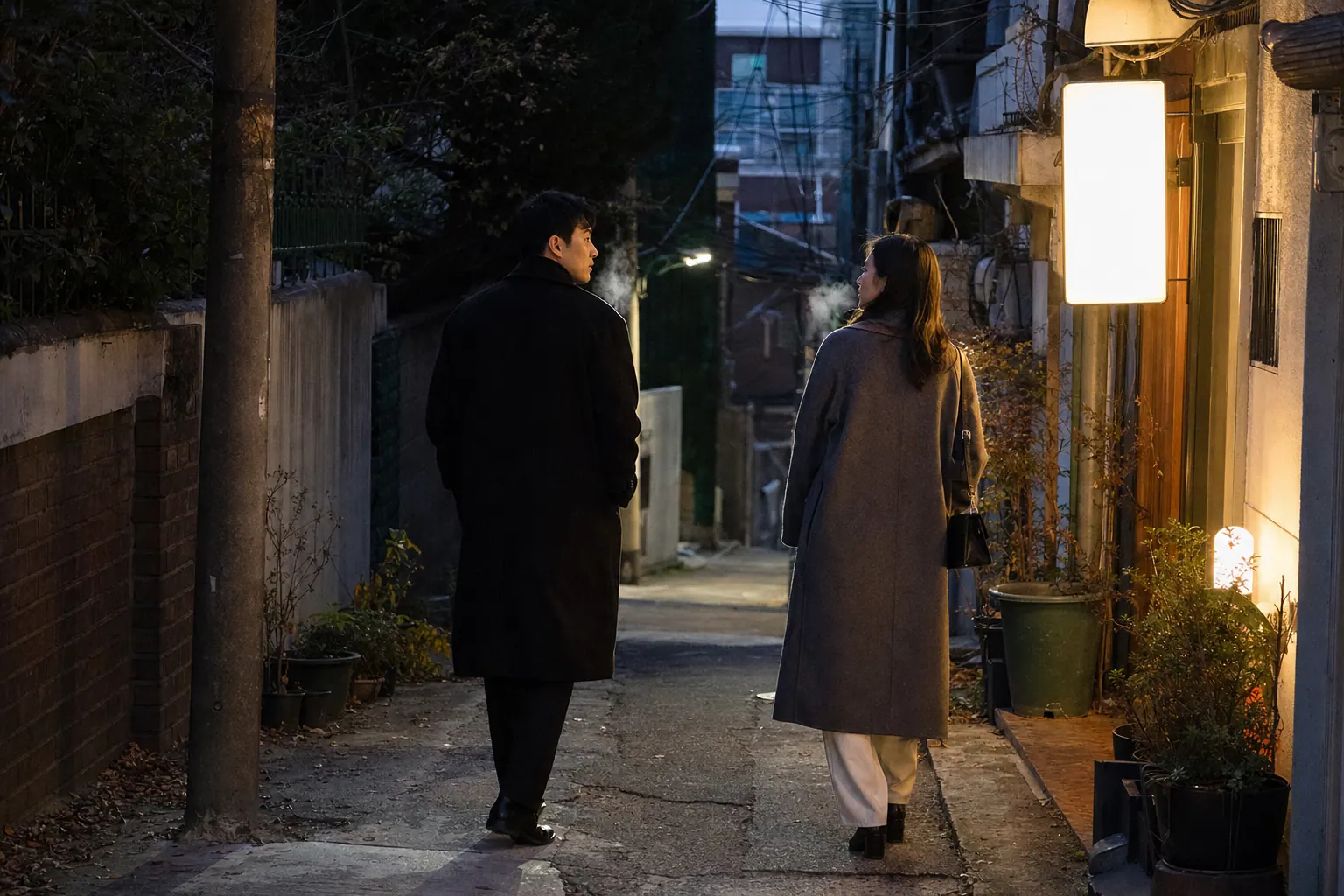
Because This Is My First Life keeps its title honest to the end. No one in it has done this before, and the show refuses to pretend that a right match spares you the learning. That is the point I want to leave you with. People arrive asking whether a person is their lasting partner, but the chart cannot certify a future that the two of you have not yet lived. What it can do is tell you whether the difficulty in front of you is the ordinary cost of two different lives meeting, or the quieter signal that one of you is slowly agreeing to be smaller. The first is worth staying for. The second is worth naming out loud, even when naming it costs you the relationship.
If you are weighing a partner right now, start by being honest about which of the two patterns above sounds like yours. Not the version you hope for, the version you already suspect. A reading will not make the decision for you, and I would not trust one that claimed to. It can only put the shape of both temperaments in front of you in plain light and let you see where the real cost lives. If you would like your own chart and your partner's looked at that way, without flattery and without a verdict pretending to be fate, you are welcome to write in for a free reading whenever you are ready to hear it plainly.
If this sounds like you
Read your own timing.
Start with a free mini reading. When you want the full picture, a certified Saju master writes your complete Four Pillars report.