The Honest Question of Two Charts
On compatibility, and what a Saju reading can and cannot promise about the person across the table from you.
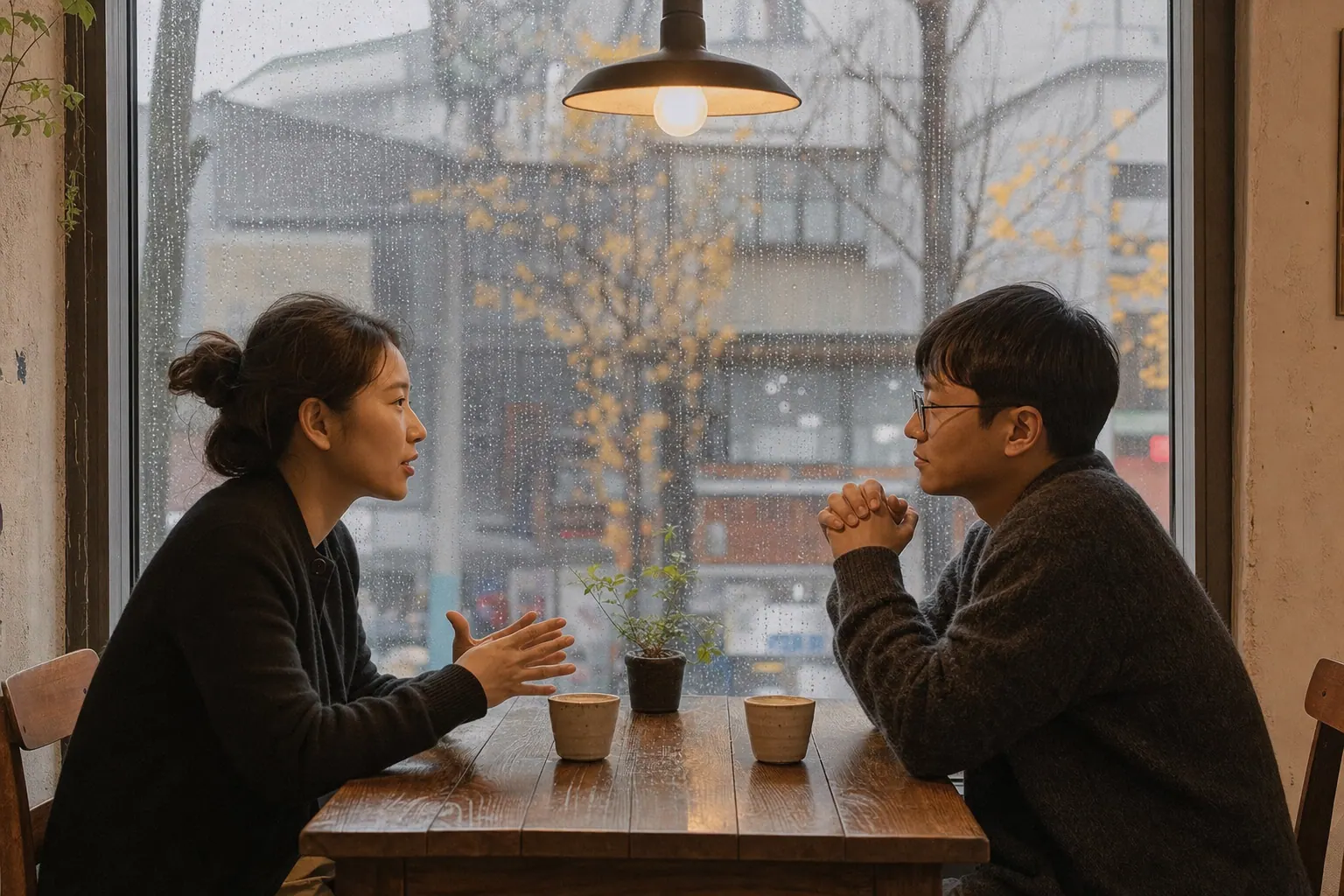
From the editor
Almost every reader who writes to us about love is really asking one thing. Is this person the one I stay with. They dress it in other questions, about timing, about arguments, about a parent who disapproves, but underneath it is that single wish for a yes.
I want to be plain from the first line. Saju, the Korean practice of reading a life from the birth moment, does not hand you a yes. It shows you the shape of two natures and where they press against each other. Compatibility is not a verdict delivered from above. It is a description of how two people are built and where the friction will sit for as long as you are together.
This issue refuses the comfortable answer. We look at what makes people fit, what makes them chafe, and the harder truth that some pairs are perfectly matched and still choose to walk away. A reading can tell you where the strain lives. It cannot tell you whether you will do the work of loving through it. That part stays yours.
The Signal and the Second Look
Heart Signal (하트시그널) builds an entire season on people who will not say what they feel, so viewers read glances and small favors for proof of interest. It treats compatibility as something you detect before it is spoken. Change Days (체인지 데이즈) starts from the opposite place, with couples who already said yes and now sit with the doubt that came after. Put side by side, the two shows expose what each one hides. Heart Signal pretends the hard part is finding the feeling. Change Days admits the hard part arrives long after the feeling is confirmed, when you must decide whether the match you have is the one you keep.
A reading can name where the strain will live. It cannot tell you whether you will love through it.
History and Conditions
Transit Love (환승연애) gathers former couples in one house, so every new attraction is weighed against a shared past that neither person can pretend away. It assumes you already know the other person's worst hours and choose them anyway. Match To Marry: With Parents (조건 만남) removes that history entirely and asks whether two strangers, measured by family and circumstance, can be assembled into a marriage. Between them lies the whole argument of compatibility. Transit Love says fit is proven by what survives the knowing. Match To Marry: With Parents asks whether fit can be arranged before any knowing exists at all, and quietly shows how much a good arrangement still leaves unanswered.
On the Scene · Two Patterns From the Reading Room
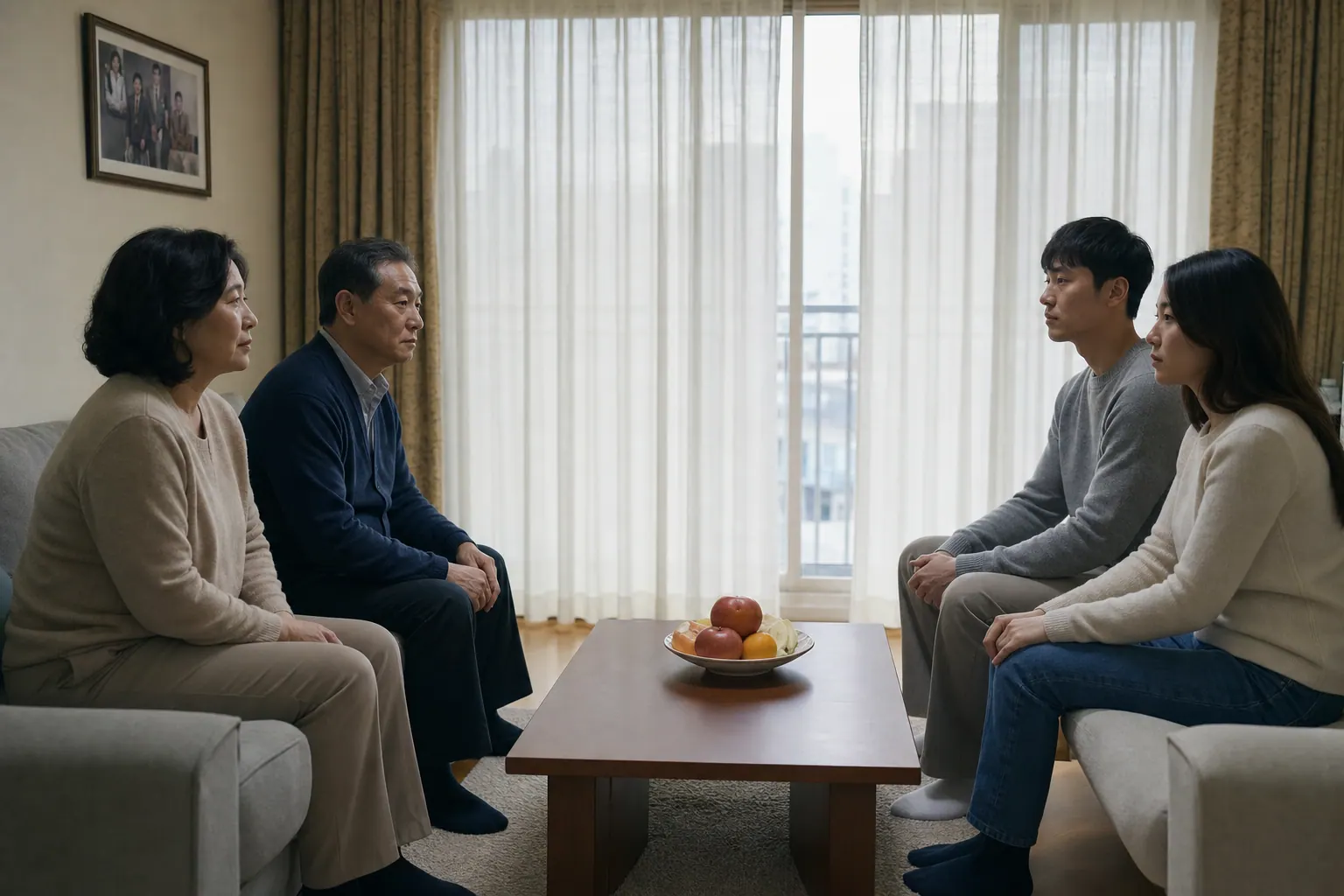
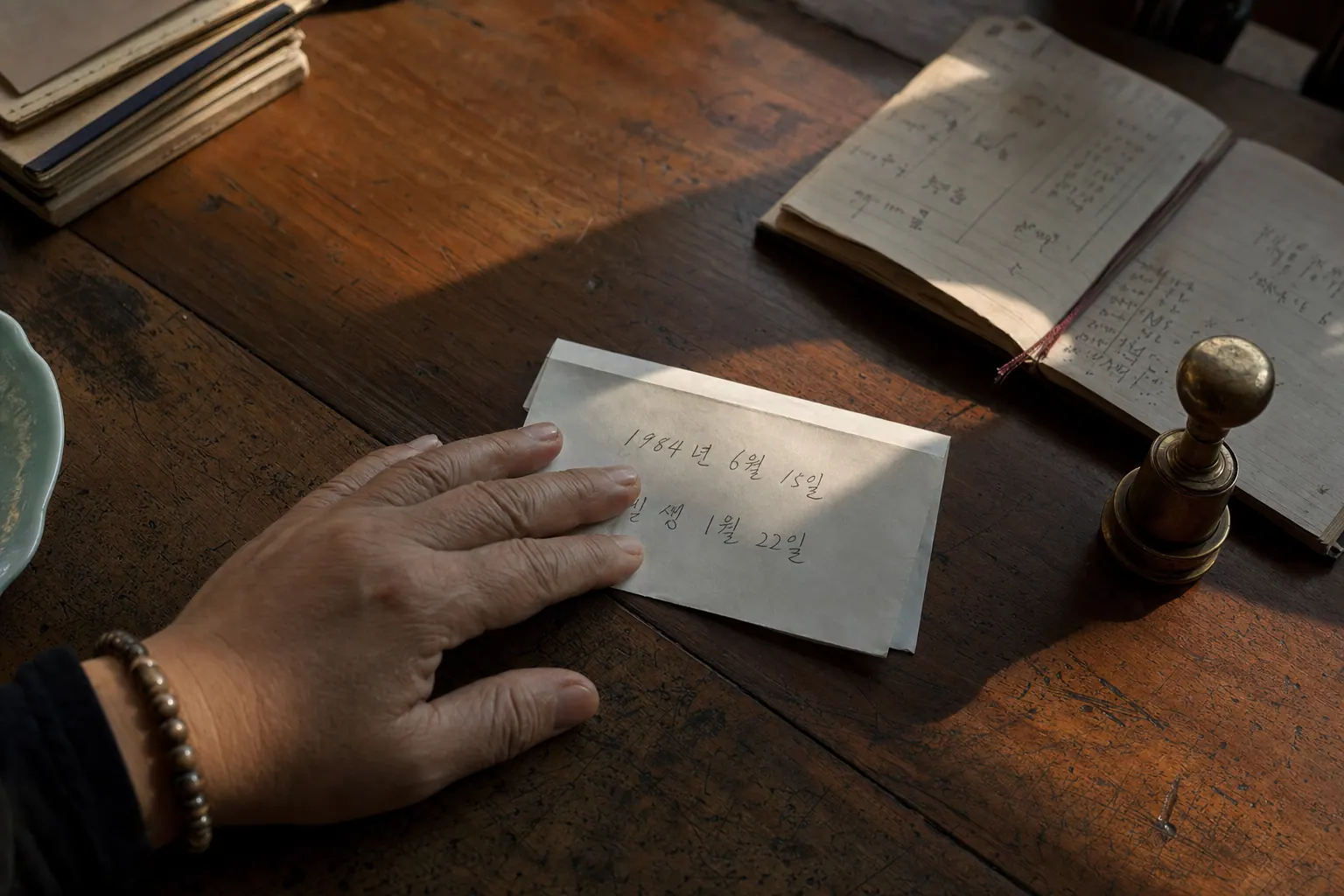
Roughly one in six readings I give about love turns out not to be about compatibility at all. It is about a person who has already decided and wants the chart to sign off. A woman came last winter with her partner's birth details written neatly on a folded paper. She asked whether they matched. When I described a genuine ease between their natures, the steadiness, the way his caution would settle her hurry, she nodded and then began telling me the reasons she was leaving him. She did not want to know if they fit. She wanted permission to stop trying, and a reading that said they fit only made the leaving harder to justify. I told her what was true, that the two of them were well suited and that being well suited had never once obligated anyone to stay. Suitability is not a debt. She left lighter, and I do not think they are together now.
The second pattern is the reverse, and it is more common still. A couple came in together, which is rare, both wanting to hear that the strain between them was written in the stars and therefore not their fault. Their charts showed real difference, one nature quick to speak and burn off anger, the other slow to speak and slow to forgive. Every reading I could give them named the same friction they already lived with. But difference in the chart is not doom, and this is the part people do not want to hear. Two natures that grind can build something durable if both are willing to translate for each other, and can wreck a decade of good history if neither is. I told them the chart had described their arguments almost exactly, and then I told them the chart said nothing about who they would become. That was still open. They wanted a cause outside themselves. What they had instead was a clear picture and a choice.
What the Cameras Leave Out
Change Days (체인지 데이즈) keeps returning to the moment a person must choose between the partner they arrived with and the one they now feel drawn to, and the show never pretends the choice is easy or clean. That honesty is the useful part. A Saju reading of compatibility works the same way. It lays out where two people run smooth and where they catch, then stops. Match To Marry: With Parents (조건 만남) shows how far outside factors, family and money and standing, can carry a match, and also how those factors go quiet the moment two people are alone with each other. The chart speaks to that private room, the one no condition and no camera reaches, where the real fitting either happens or does not.
If you came to this issue hoping to hear that a certain person is your lasting partner, I am sorry to be blunt. No reading can promise that, and anyone who promises it is selling you comfort rather than truth. What a reading can do is show you honestly where you and another person meet easily and where you will have to work, so that you choose with your eyes open rather than your hopes closed.
That is worth knowing before you commit and worth knowing when you are already deep in it. If you would like your own chart and a partner's read side by side, plainly and without flattery, you are welcome to bring both birth moments and sit with us. We will tell you what is there.
If this sounds like you
Read your own timing.
Start with a free mini reading. When you want the full picture, a certified Saju master writes your complete Four Pillars report.