When, and With Whom: Reading the Timing of Marriage
A patient look at the question that arrives more often than any other in the counseling room, whether a lasting partner is coming and when.

From the editor
Of all the questions people bring to a reading, the one about marriage arrives most steadily, and it rarely comes alone. Underneath the plain words, when will I marry, there is usually a quieter worry: whether it will happen at all, whether it will happen more than once, and what sort of person will be standing there when it does. I want to say at the start that these are fair questions, and that asking them is not a sign of impatience or weakness. It is a sign that you are taking your own life seriously. Saju, the Korean practice of reading a life from the birth moment, does not hand anyone a wedding date on a slip of paper. What it offers is closer to a sense of season, the years when partnership tends to settle and the years when it tends to scatter. This issue is built around that difference, the difference between a promise and a pattern. I have kept the tone calm on purpose, because the readers who write in are usually tired of being rushed. You are allowed to want marriage. You are also allowed to let it find its own time.
Two Premises, One Fear
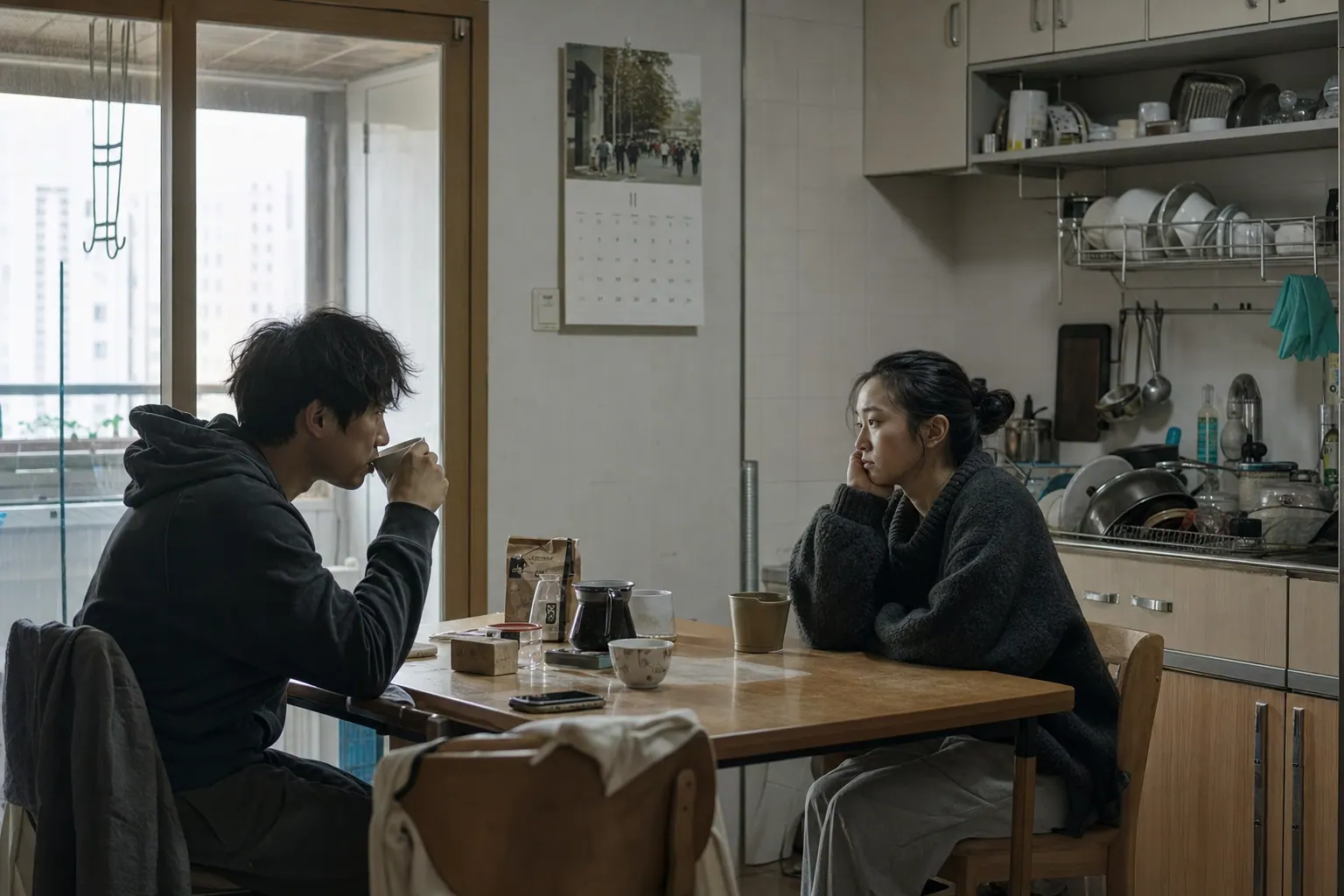
Set Marriage, Not Dating (연애 말고 결혼) beside Welcome to Wedding Hell (결혼백서) and you see the two halves of the same anxiety split cleanly apart. The first builds its whole premise on a woman who wants marriage and a man who refuses it, so the drama keeps circling the oldest fear of all, whether a person will end up married at all or stay outside that door by choice or by chance. What that premise hides, the second one puts in plain view. Welcome to Wedding Hell takes a couple who have already decided to marry and shows that the decision was never the hard part. Family negotiations, the cost of a home, the sudden cold feet, these are the real terrain. Together the two works make a quiet point worth holding onto. Reaching the decision and surviving the arrangements are separate questions, and most readers worry about the first while the second is what actually tests a pair.
When a Contract Becomes Real
Marriage Contract (결혼계약) begins from the least romantic starting point imaginable, a single mother and a wealthy heir signing an agreement with no feeling in it. That cold beginning is exactly what makes it useful here. The drama argues, without saying so directly, that the form of a union and the truth of it are not the same thing, and that something entered for practical reasons can turn into something genuine. For readers who ask what kind of person they will end up with, this is a steadying reminder. The partner who lasts is not always the one who arrives with the loudest signs. Sometimes attachment grows inside an arrangement that looked, at first, like it had nothing to do with love.
A reading cannot give you a date. It can tell you which years the ground is firm enough to build on.
The Weight of the Word Fated
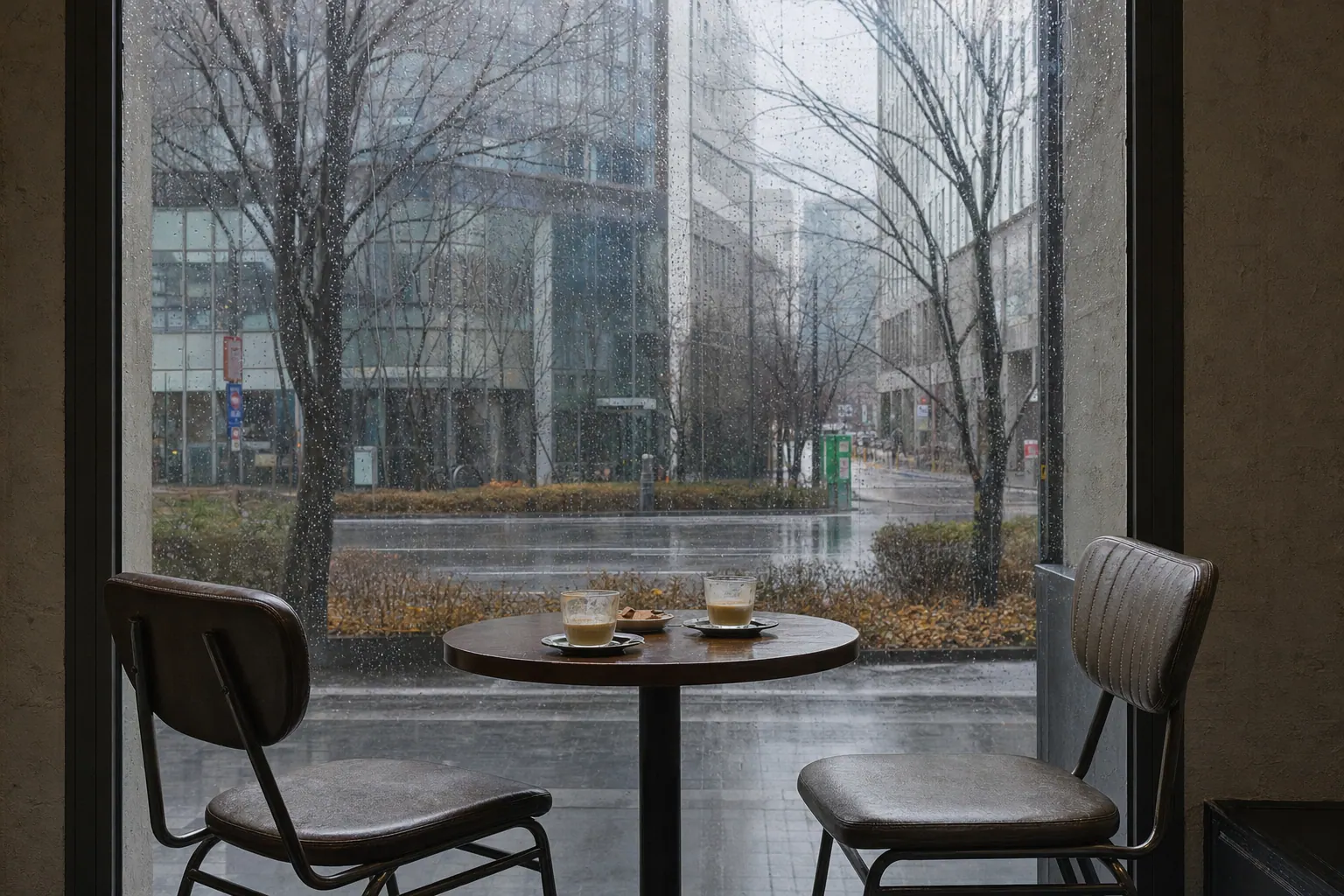
My Love from the Star (별에서 온 그대) stretches its romance across centuries, between an alien and a famous actress, and in doing so it names the hope that sits under so many questions, that somewhere a lasting partner is already meant for you. It is worth treating that hope gently rather than dismissing it. The drama is honest about what destiny costs, the long waiting and the near misses that come before the meeting. Read against Marriage Contract, the contrast sharpens. One story says the right person is written in advance, the other says the right person is built over time from an unlikely start. Most real lives, in my experience at the table, sit somewhere between those two claims.
On the Scene · Two Patterns from the Table
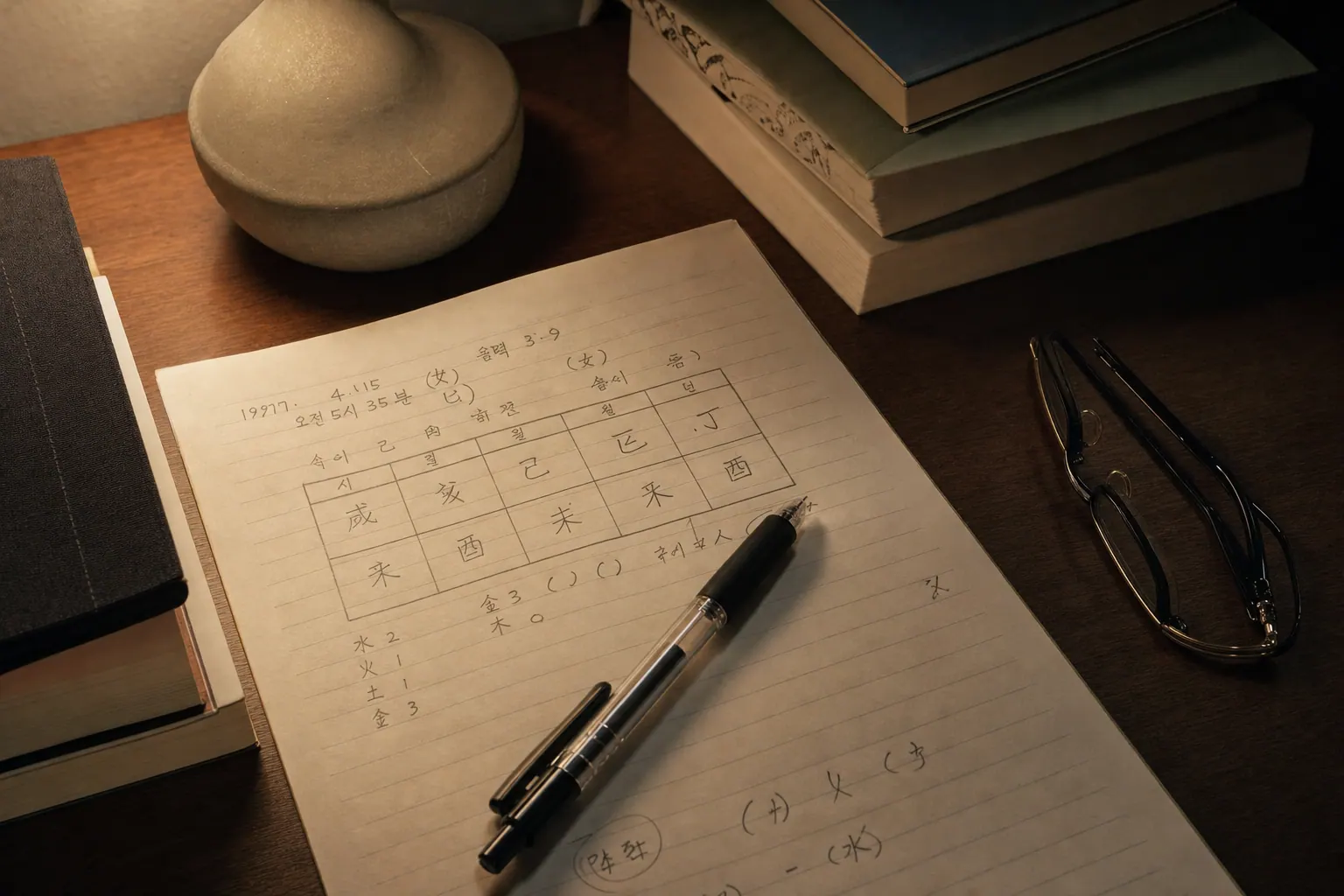
Two shapes recur often enough that I can almost feel them arriving before the person finishes speaking. The first belongs to the reader who has never had trouble meeting people and yet feels marriage keeps slipping past the horizon. These are not lonely people. They date, they are liked, they are often the one others lean on. What the chart tends to show in this pattern is a strong run of partnership years that came early, in the mid twenties, when the person was not yet ready to settle, followed by a quieter stretch where the signs for marriage thin out rather than vanish. The grief here is a grief of timing, the sense of having been ready too late for the first wave. What I try to say, patiently, is that a thinner stretch is not an empty one, and that a second, steadier window frequently opens in the early to middle thirties, less dramatic than the first but far more durable. Roughly one in six readings I give for marriage falls into this shape, the person who had the chances before they had the readiness. The second pattern is almost the reverse. This reader has had few relationships, sometimes none that felt serious, and has quietly concluded that marriage may simply not be written for them at all. They arrive braced for bad news. More often than not the chart tells a different story, one of partnership energy that was always present but pointed inward, toward study, work, or caring for family, during the years when peers were pairing off. In these charts the marriage signal tends to arrive later and arrive once, clearly, rather than many times. What kind of person waits at the end of it is usually someone met through ordinary daily life rather than through pursuit, a colleague, a friend of a friend, someone encountered while the reader was busy with something else entirely. I tell these readers the truth, which is that a late first marriage is not a lesser one, and that the long quiet beforehand is not a verdict. It is a season, and seasons turn.
If there is one thing I hope you carry out of this issue, it is that the marriage question has more than one honest answer, and that none of the honest answers requires you to panic. Whether you recognize yourself in the reader who had chances early or the one who is still waiting for the first, the timing of partnership is less a deadline than a set of seasons, and the work is to meet the right season awake rather than to force the wrong one. Be kind to yourself in the meantime. If you would like to see which years your own chart leans toward partnership, and what sort of meeting tends to open them, you are welcome to sit down for a quiet reading whenever you feel ready. There is no rush in it, and there never was.
If this sounds like you
Read your own timing.
Start with a free mini reading. When you want the full picture, a certified Saju master writes your complete Four Pillars report.