The Offer Letter
An autumn issue on exams, hiring, and the stubborn Korean question of whether a life is decided at the front door.
From the editor
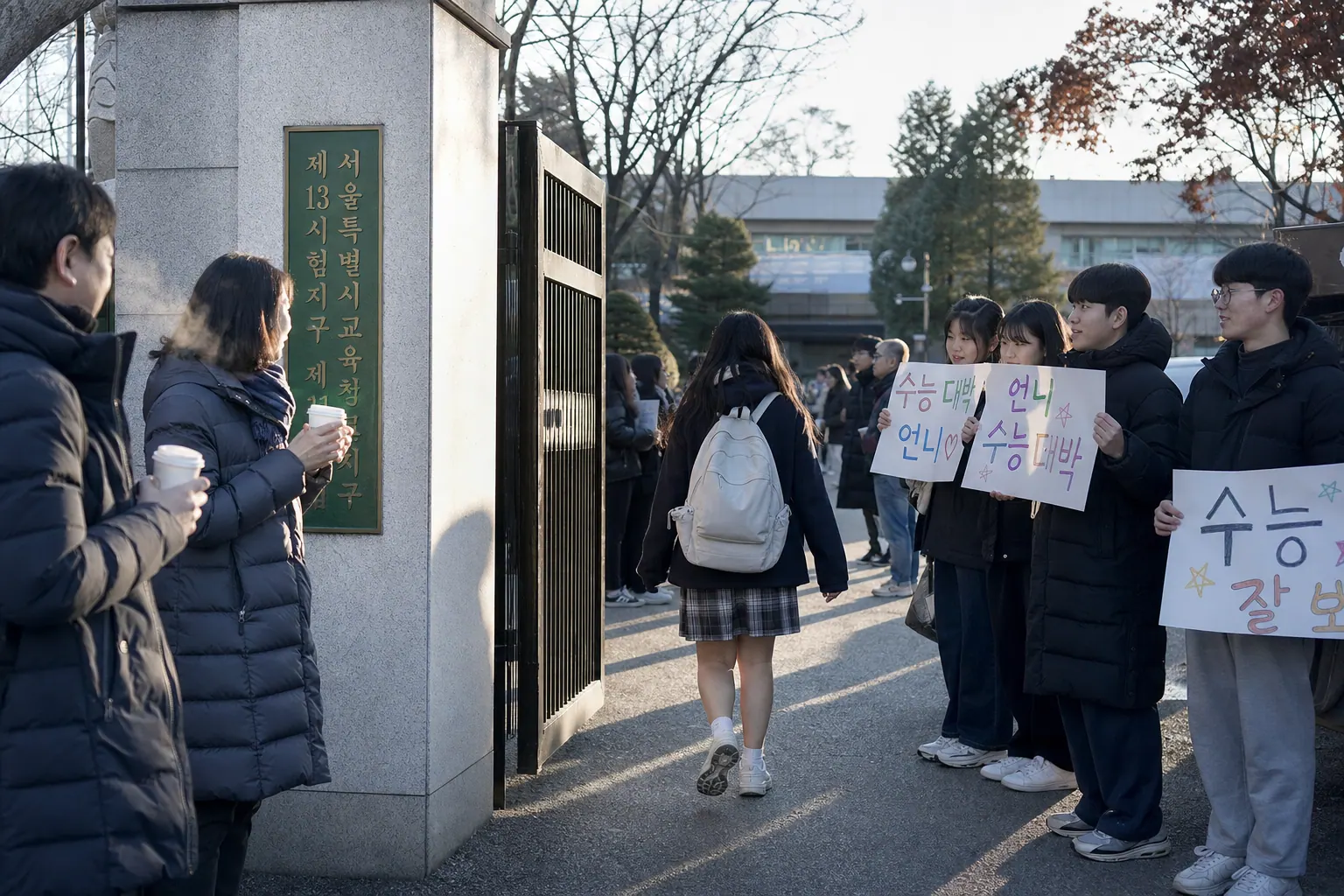
Every November the country holds its breath for one morning, and airplanes are grounded so that the listening section of the college entrance exam goes undisturbed. It is a strange and moving thing, a whole nation arranging itself around the concentration of eighteen year olds. This issue is about that morning and everything that follows it, the exams and the interviews and the quiet email that says either welcome or thank you for applying. Our readers this season have been asking practical things. Should the degree be earned in a lecture hall, on a screen, or in some patched together mix of both, and how is the whole academic road likely to run. We answer through Saju, the Korean practice of reading a life from the birth moment, which is less interested in your test score than in how you tend to move through effort and delay. I will admit a small bias before we begin. The chart almost never says do not study. It says something more inconvenient, which is that the way you study matters more than where.
The Front Door and the Side Door
SKY Castle builds its whole world on the belief that admission can be engineered, that with the right coordinator and enough money a child's future is decidable years in advance. The premise is seductive precisely because it treats a life as a project with a deadline. Misaeng: Incomplete Life stands quietly on the other side of that door. Jang Geu-rae arrives at the company without the diploma everyone else waves around, and the show reveals what the admission fantasy carefully hides, that once you are inside, no one asks how you got in. The credential goes silent and the daily, unglamorous proof begins.
On the Scene · Two Chairs, Two Questions
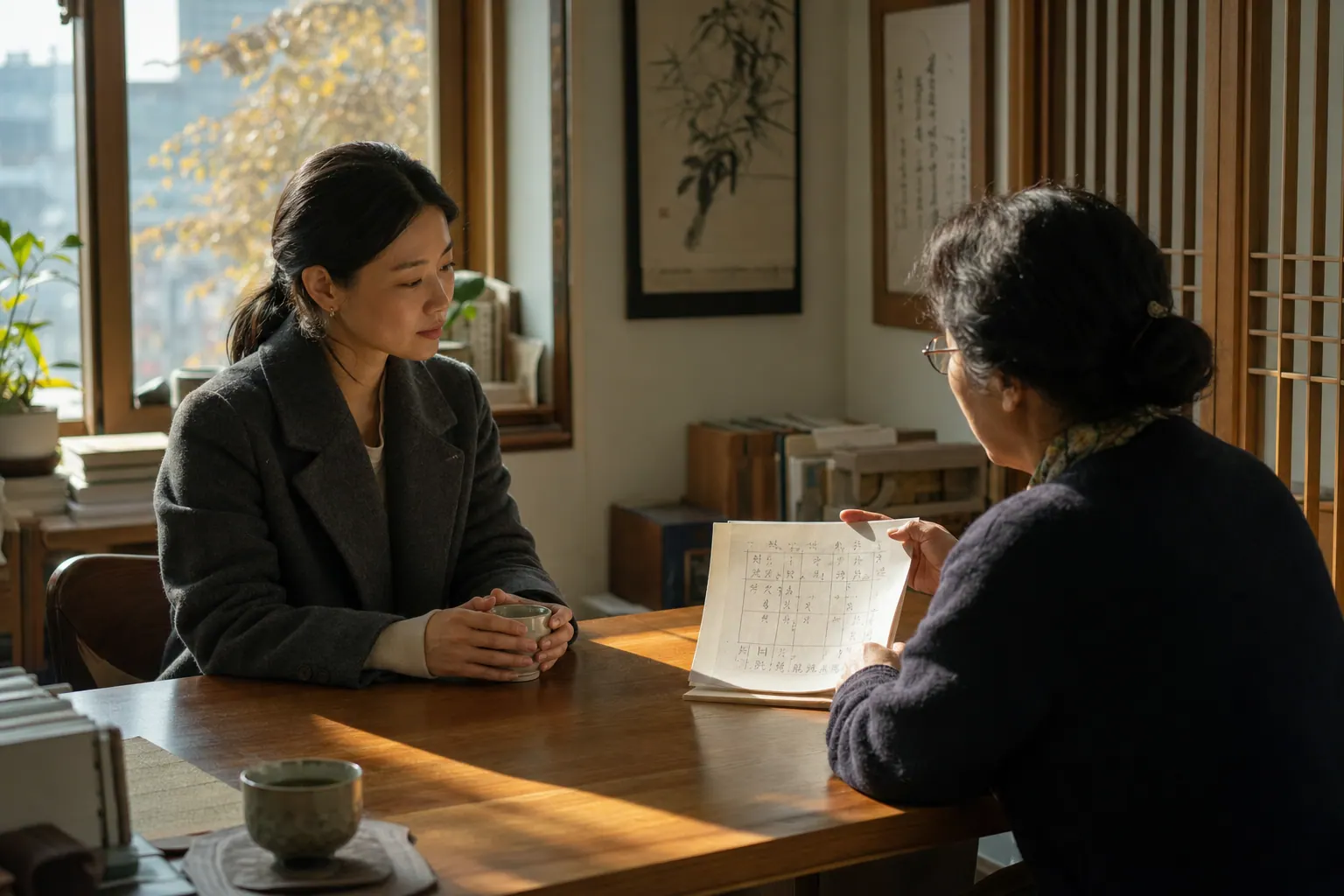
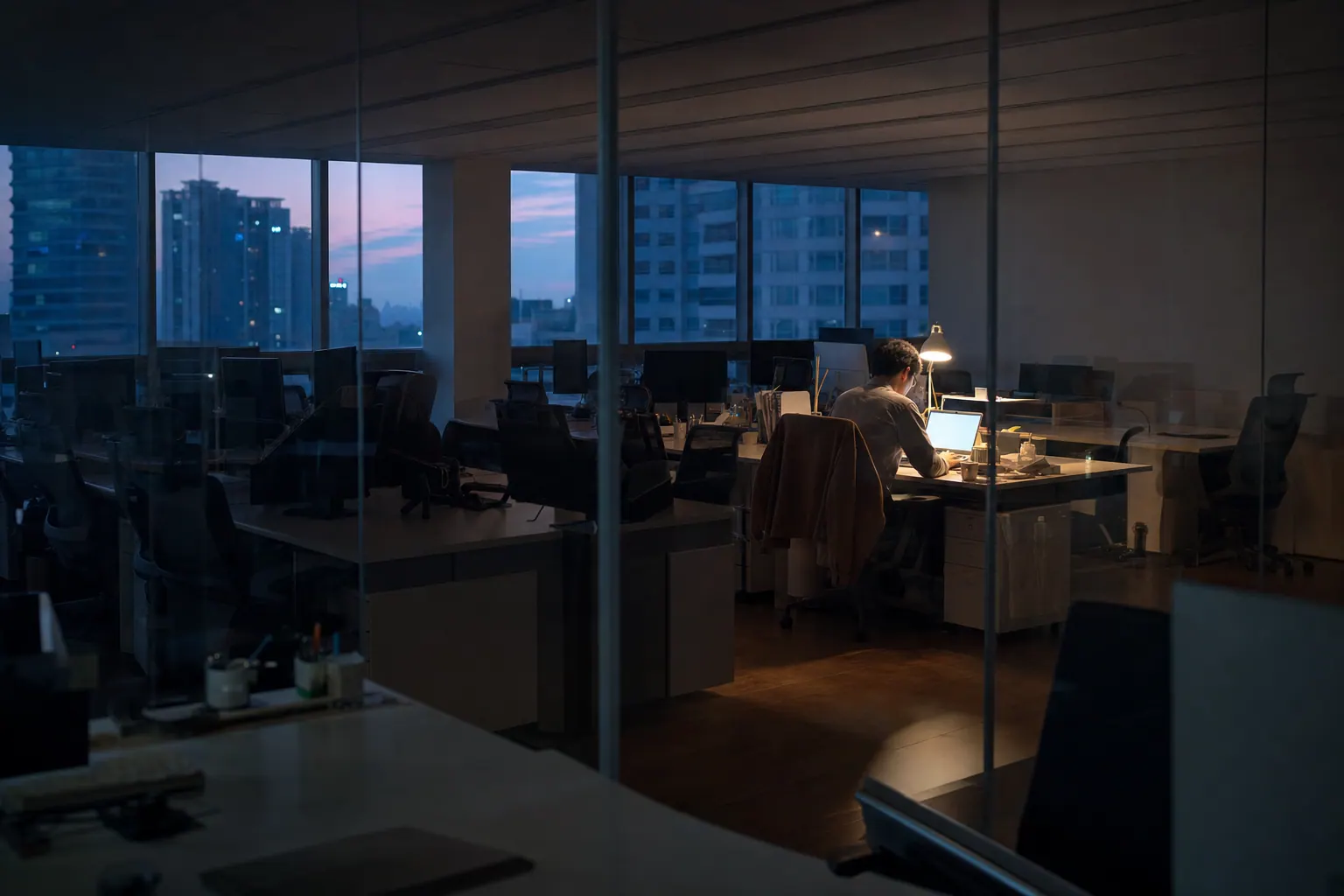
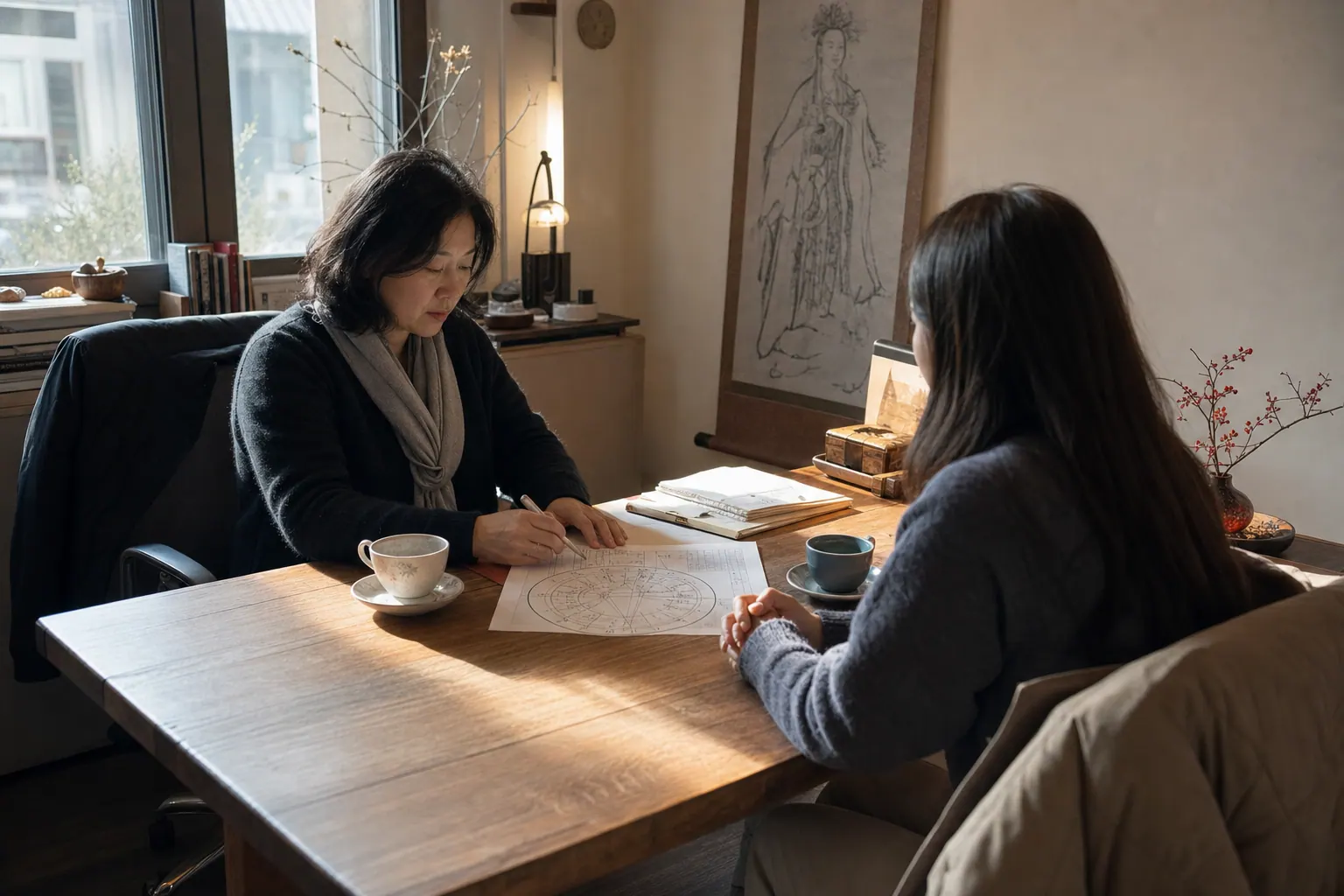
Roughly one in six readings this autumn opens with the same sentence, phrased a dozen ways. A young person, or the parent of one, wants to know whether to sit in a physical lecture hall, log into an online program, or stitch the two together. What they are really asking is whether they can trust themselves without a room full of witnesses. The chart tends to answer that better than any brochure. When someone carries a strong, self starting current in their birth pillars, the kind that resents supervision and moves faster alone, the online or hybrid route is not a compromise, it is the honest choice, and I say so plainly. But there is a second, more common pattern hiding inside the first. Many who insist they will thrive studying alone have a chart that quietly needs structure, appointed hours, the mild social pressure of other people also failing to understand chapter four. For them the empty room becomes a place where good intentions go to die by June. The reading, then, is not really about format. It is about matching the schedule to the temperament, and I often send someone toward the classroom not because it is superior but because it will finish what they start.
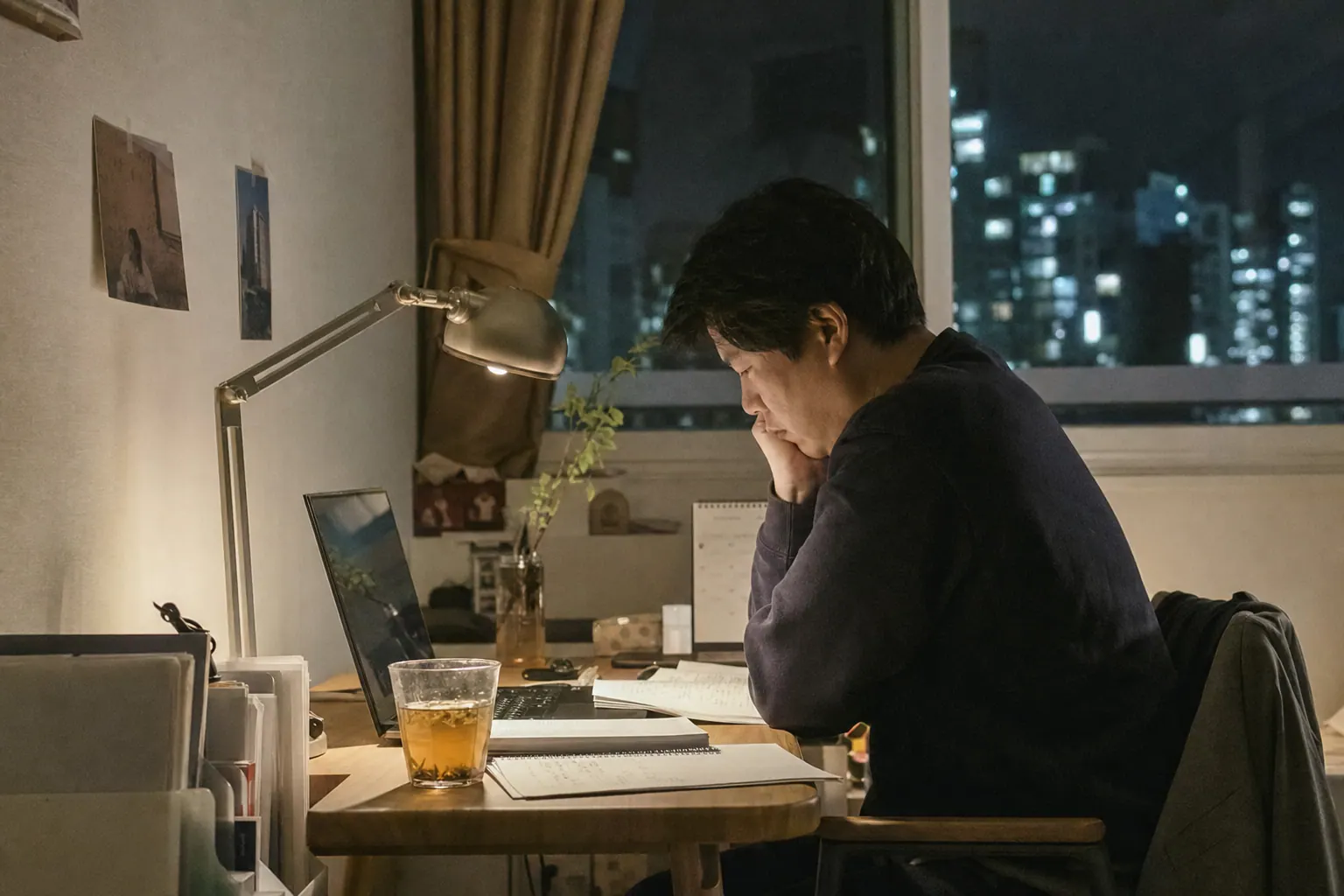
The other recurring visitor is older, usually somewhere past thirty, and comes carrying a suspicion that the academic road already went wrong. They chose a major to please a family, or they entered a field just before it cooled, and now they sit down convinced the door has closed. Here the chart is almost tiresomely reassuring. Korean readings often show the study and recognition years arriving late, in the thirties and forties, well after the exam morning that felt so final. I have watched people relax visibly when told that their real credential period has not yet opened, that the first degree was merely rehearsal. The wry part is how reluctant they are to believe good news. They came for permission to quit and leave instead with a syllabus.
The chart rarely tells you where to go. It tells you whether you are the kind of person who arrives.
After the Yes
No Other Choice follows a man who did everything correctly, held a steady job at a paper company, and is thrown out anyway, then hunts for new work by methodically clearing away his rivals. The film's premise punctures the comfortable idea that the offer letter is a resting place. It reveals what the admission dramas keep off screen, that getting in was never the end of the exam but the moment the real one began, ungraded and ongoing.

The View From Inside
Search: WWW places its women at the top of the industry rather than at its gate, running rival search portals, already hired, already proven. Because it skips the entrance drama entirely, it exposes the question the others postpone. The concern is no longer whether you get in but what you will trade to remain, and the show refuses to soften that with a rescue or a wedding. It is the most honest picture in this issue of what a career asks after the celebrating stops.
So the college question, the one so many of you sent this season, turns out to be smaller than it feels and larger too. Smaller, because the format you choose is rarely the thing that decides you. Larger, because the road runs on long after the exam morning that the whole country stops its airplanes for. If you are weighing a lecture hall against a screen, or wondering whether your slow start is a warning or simply an early chapter, bring your birth date and sit down with us. We will read it plainly, and quietly, whenever you are ready.
If this sounds like you
Read your own timing.
Start with a free mini reading. When you want the full picture, a certified Saju master writes your complete Four Pillars report.