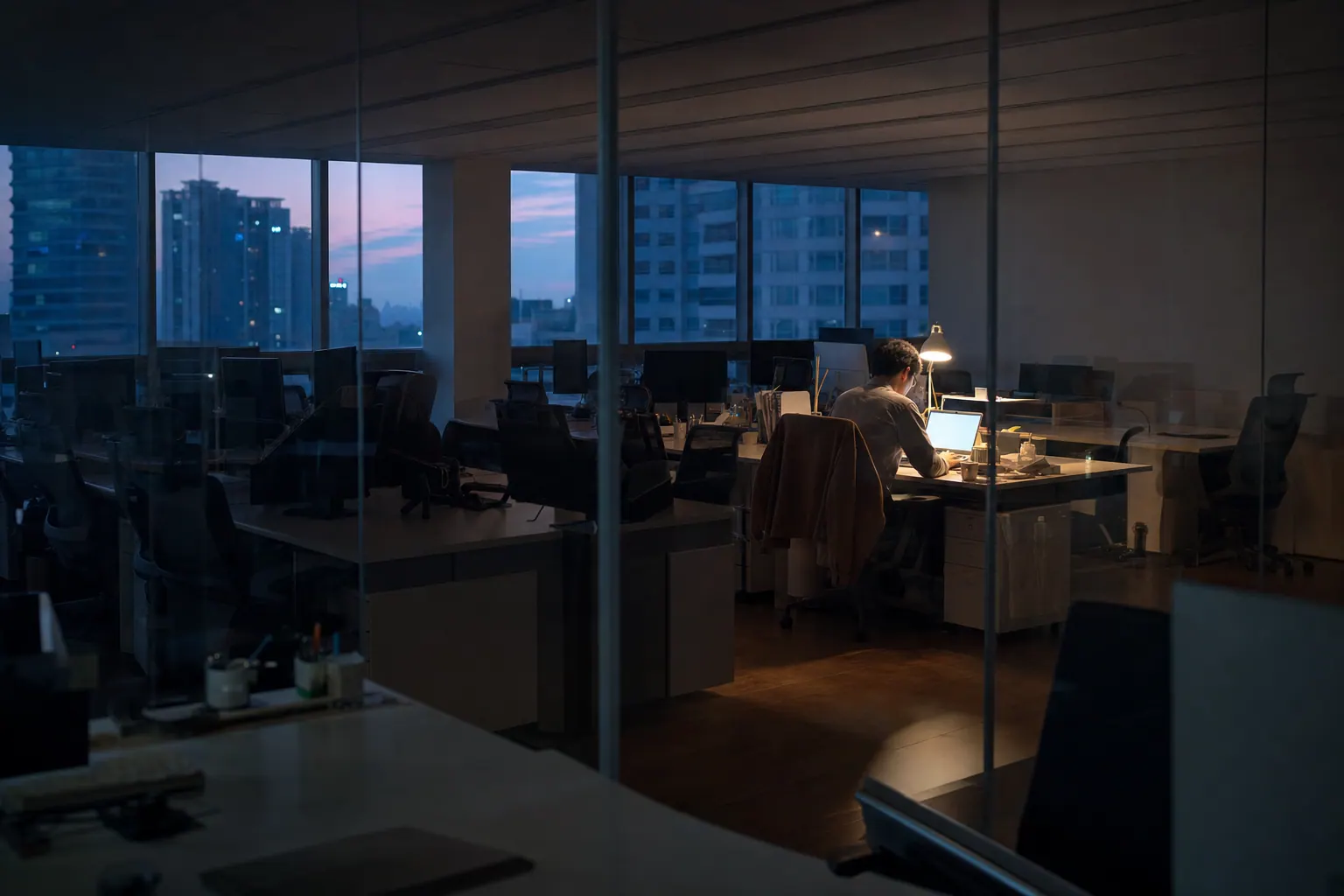
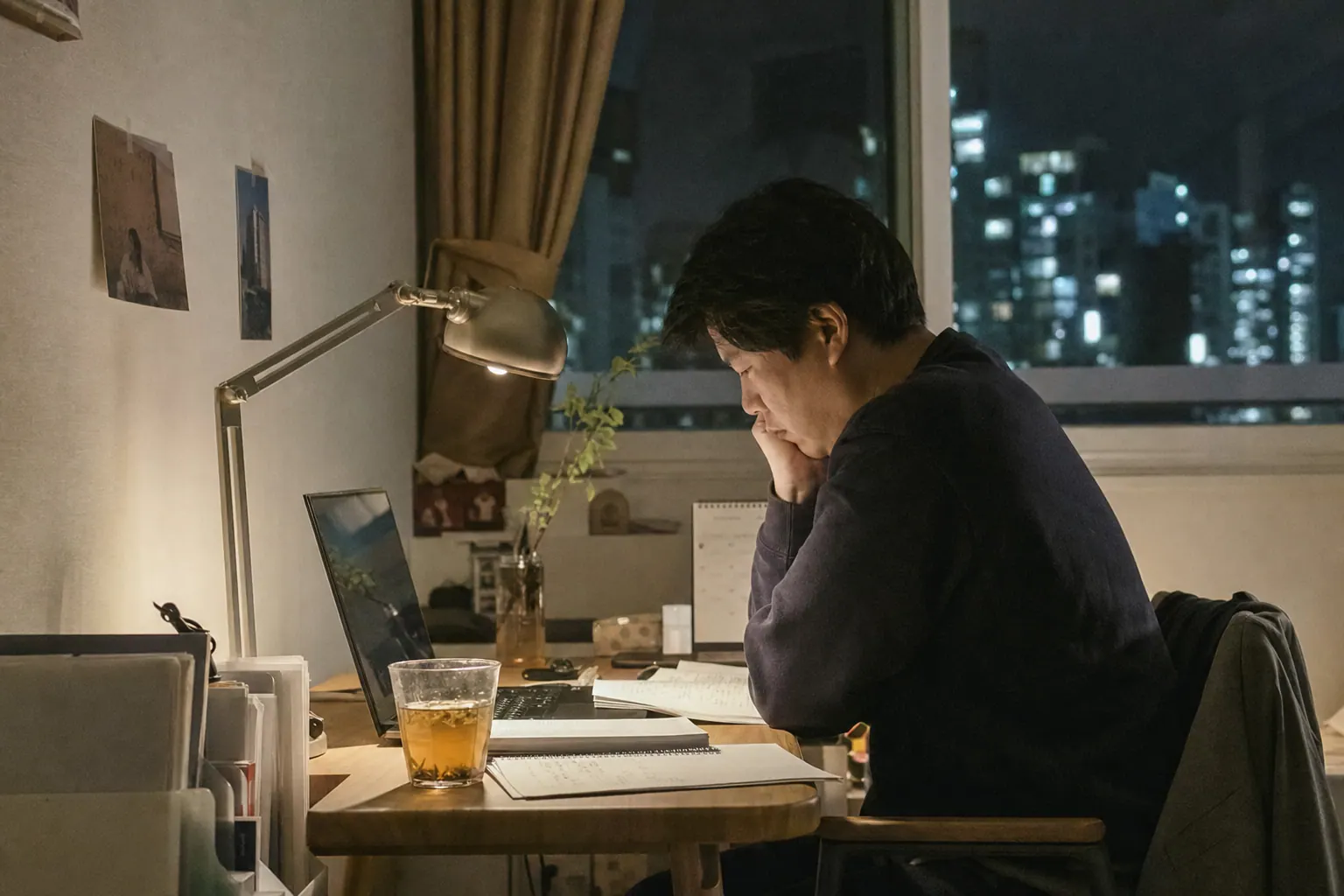
The Other Career
On the patience it takes to read a working life, and the questions about love and later years that always arrive with it.

From the editor
Almost every letter that reaches us about work carries a second letter folded inside it. People ask where their career should go, and in the same breath they ask whether the person beside them will still be there in ten years, whether their health will hold, whether the later part of life will feel like something they chose. We have learned to read these together, because the writers already know they belong together. Saju, the Korean practice of reading a life from the birth moment, does not hand anyone a job title. What it offers instead is a sense of timing and proportion, a way of seeing which years favor building and which favor waiting. This issue is written slowly and on purpose. If you are in the middle of a decision that will not resolve on schedule, we want the pages to feel like a steady hand rather than a push. There is time. Most of the doors you are worried about closing are still open, and some of them are not the doors you actually need.
Dropped In Versus Building Out
Misaeng: Incomplete Life (미생) begins with a man who was good at one thing, Go, and is suddenly asked to be adequate at everything else inside a company that never asked for him. The show's honesty is that it never lets him arrive. Itaewon Class (이태원 클라쓰) runs the opposite premise, a man who decides in advance who he is and then spends years bending the work to fit that decision. Set side by side, the first drama reveals what the second quietly hides. Choosing your own path does not spare you from the daily uncertainty of not yet belonging. Itaewon's clarity of purpose can make direction look like a single act of will. Misaeng shows that most people find their footing after the choice, not before it, and long after anyone stopped watching them decide.
Ambition That Names Its Price
Search: WWW (검색어를 입력하세요 WWW) follows women who have already won the argument about whether a woman may be ambitious, and so it can move on to a harder question, what ambition costs a person who also wants to be loved. It does not pretend the two are enemies, but it refuses to say they are free of each other. This is the observation the show earns. Career direction is rarely decided in a vacuum where only the work matters. Someone is usually waiting at home, or hoping to be, and the reading of a life has to hold both without flattening either into the background of the other.
You are not late. You are early to a life that has not announced its schedule yet.

When Money and Marriage Sit at the Same Table
Because This Is My First Life (이번 생은 처음이라) puts young adults in front of the plainest version of the question, how do career, marriage, and money actually fit inside one small apartment and one uncertain income. Where Search: WWW assumes its characters have arrived at some security and can weigh love against ambition, this drama shows the earlier stage, when none of it is settled and every choice feels like it forecloses another. That contrast matters for anyone writing to us young. The fear that a job decision permanently decides your partner, your home, and your old age is real, but it belongs to a season, and the season passes.
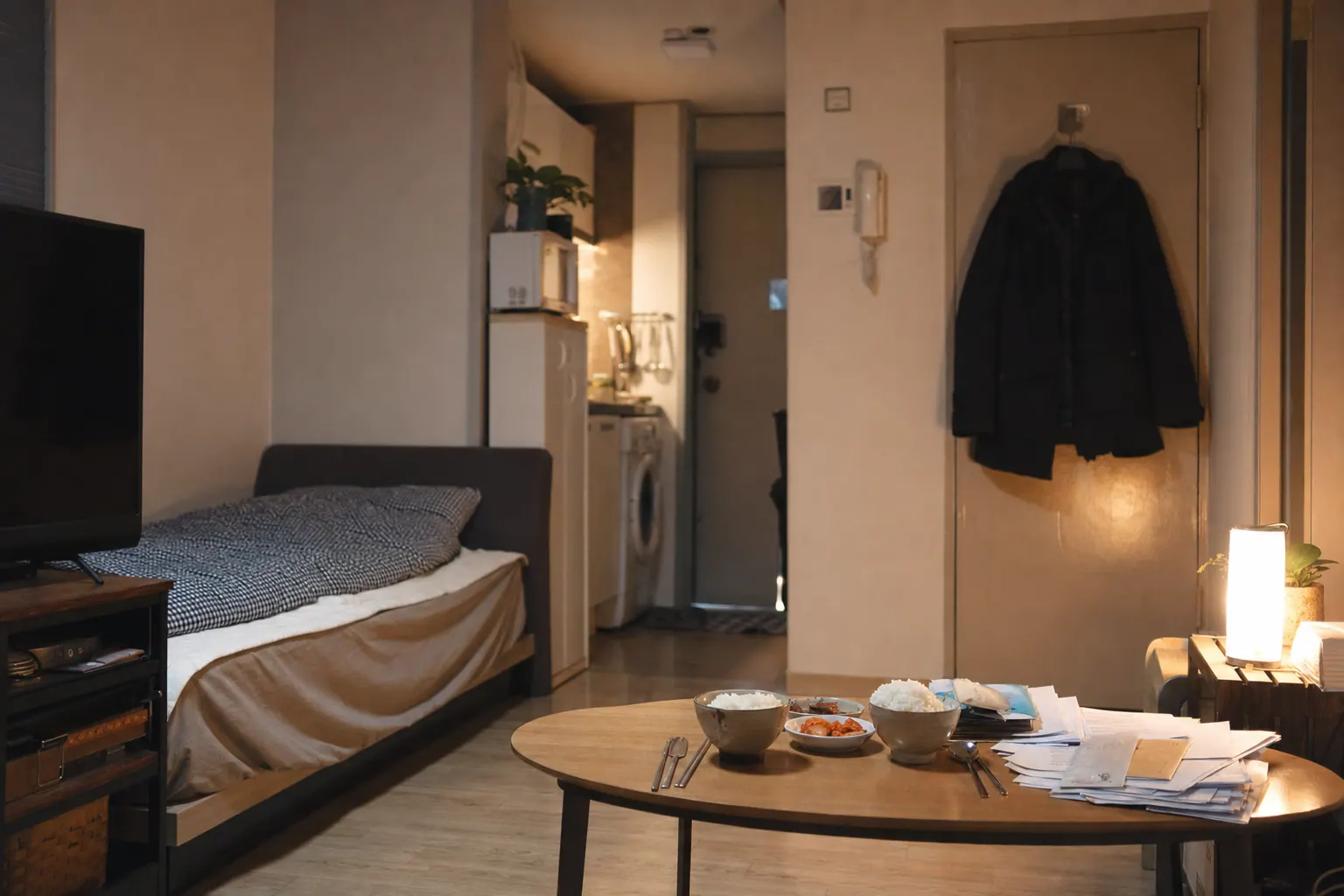
On the Scene · Two Patterns From the Reading Room
Roughly one in six readings this season came from someone who had already succeeded and could not feel it. They arrive with a job that others would envy and a quiet certainty that they are in the wrong place. When we look at the chart, the years that favored steady accumulation are often behind them or just ahead, and what they are actually sitting in is a stretch that rewards change more than persistence. The relief in the room is usually physical when we say this out loud. These readers tend to pair the career worry with a relationship that has grown tired at the same time, and they assume both failures are their fault. Often they are not failures at all. They are the ordinary friction of a person outgrowing a shape that fit them five years ago. We do not tell them to quit. We tell them which of the coming years favor a real move, so the change is made from timing rather than exhaustion, and we ask them to let the relationship have its own answer instead of tying it to the resignation letter. A second pattern, slightly less frequent, comes from the person who has never settled anywhere and reads that as a defect. They have tried several fields, left each one, and by the time they write to us they describe themselves with something close to shame. The chart frequently tells a gentler story. Some lives are built to gather range before they concentrate it, and the concentration, when it comes, draws on everything that looked like wandering. These readers almost always attach a question about later years, whether they will end up alone or unwell after so much starting over. What we can offer is proportion. The scattered decade is usually the setup for a longer, calmer one, and the partner and the health they are worried about are more often shaped by the middle years than decided by the early ones. In both patterns the work is the same, to separate a bad season from a bad self, patiently, until the person can tell which is which without our help.
If there is one thing to carry out of this issue, it is that a career and a life do not have to be solved in the same week, or even the same year. The love question and the work question and the quiet question about being well at seventy are allowed to answer each other slowly. We would rather you leave these pages a little more patient than a little more certain. If you would like us to sit with your own dates and see what the coming seasons favor, our door is open whenever you are ready, and there is no wrong time to ask.
If this sounds like you
Read your own timing.
Start with a free mini reading. When you want the full picture, a certified Saju master writes your complete Four Pillars report.