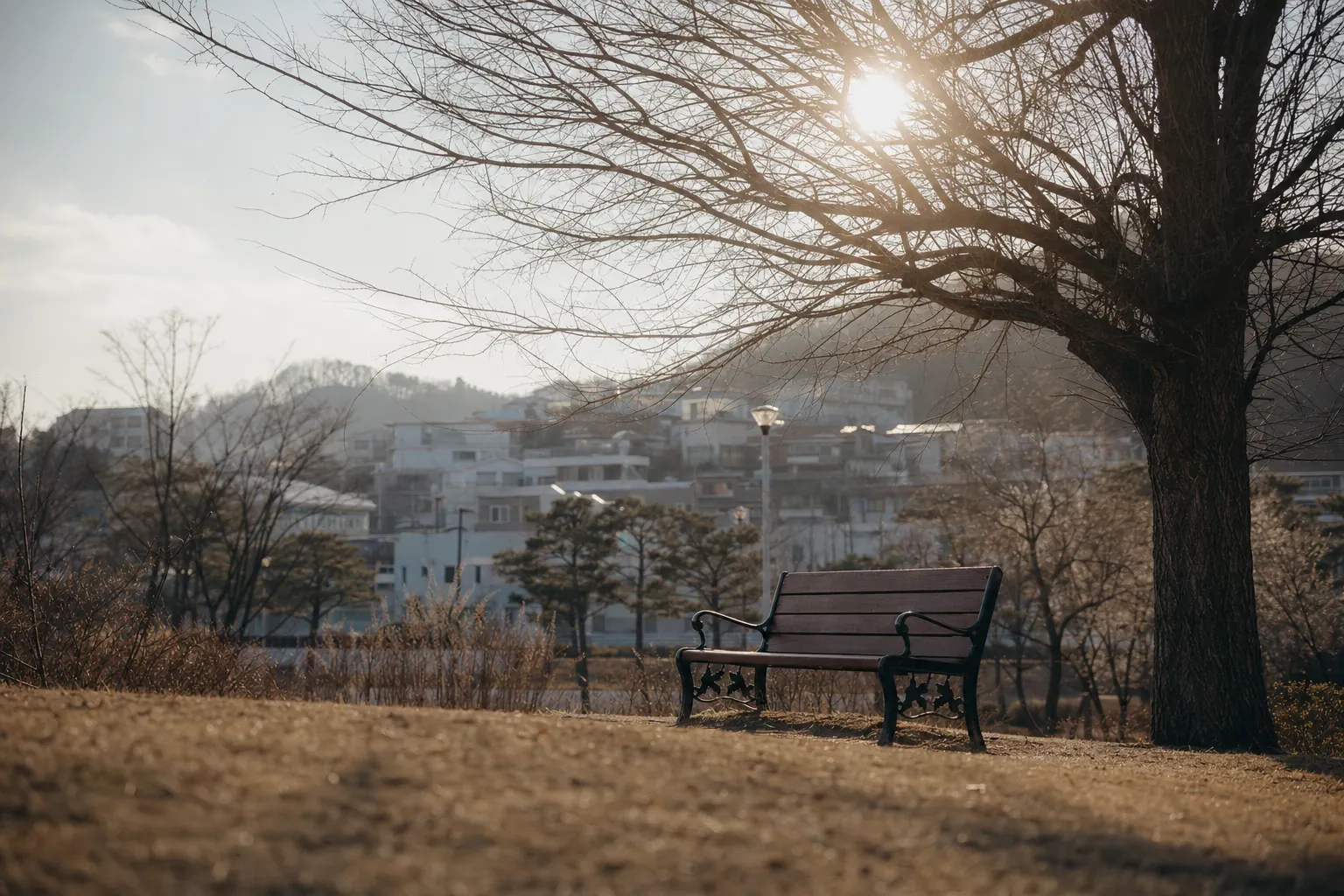
The Right Time Is Rarely the Comfortable One
On timing, health, and the honest work of standing at a crossroads without pretending the choice is easy.
From the editor
Most of the letters we received this season ask a version of the same question. Am I on the right path, or have I wandered into a detour that will cost me later. People write from the middle of a decision they have already half made, wanting permission to keep going. So let me be plain about it. Timing in Saju, the Korean practice of reading a life from the birth moment, does not promise you an outcome. It tells you when the ground under a choice is firmer and when it is not. That is a smaller and more useful thing than a guarantee. A season that favors rest and inner repair is not a lesser season than one that favors ambition. It is simply a different instruction, and treating healing as a delay is the fastest way to waste the years that were meant for it. Health matters here too, because the body sets a real limit on what any good season can do for you. If you are asking whether spiritual work or recovery counts as progress, the honest answer is that it counts more than the version of you that refuses to slow down. This issue looks at people caught at the edge of change, and at what an old drama and a counseling room can tell us about the moments that decide a life.
Three Stages, One Island
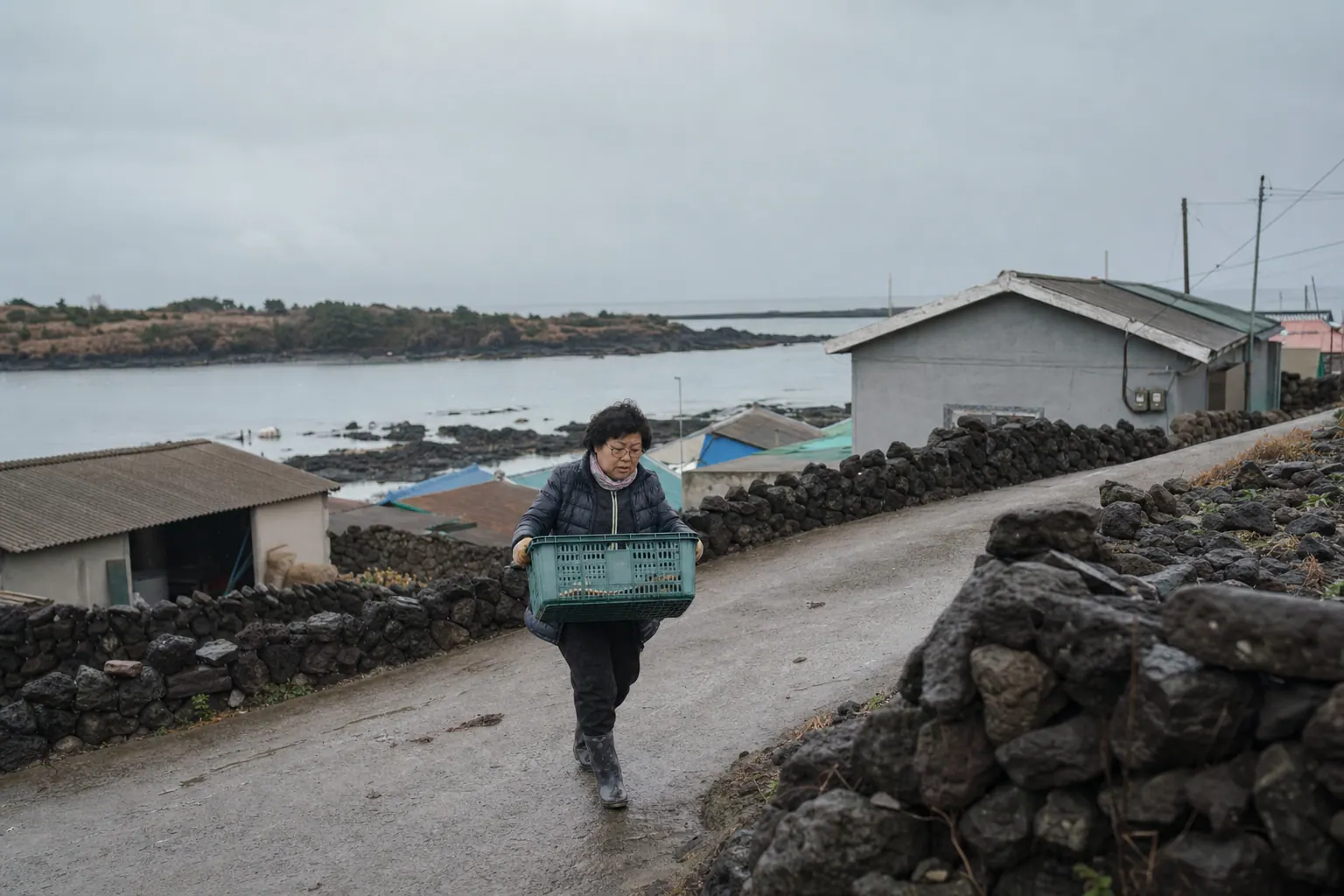
Our Blues (우리들의 블루스) sets its stories on Jeju and arranges its people by where they stand in a life, some at the beginning, some at the height of it, some near the end. The show refuses to rank these stages. A pregnant teenager and a dying mother are given the same weight of attention, and that choice makes a quiet argument. The premise that every stage carries its own full timing exposes what a single ambitious storyline usually hides, which is that the loud years in the middle of a life are not the only years that count. Watching it, you notice how much of a person's fortune is settled not by one dramatic turn but by whether they showed up honestly for the stage they were actually in.
A season for healing is not the year your life paused. It is the year your life was doing its real work where no one could see it.
The One Who Knows and the One Who Does Not
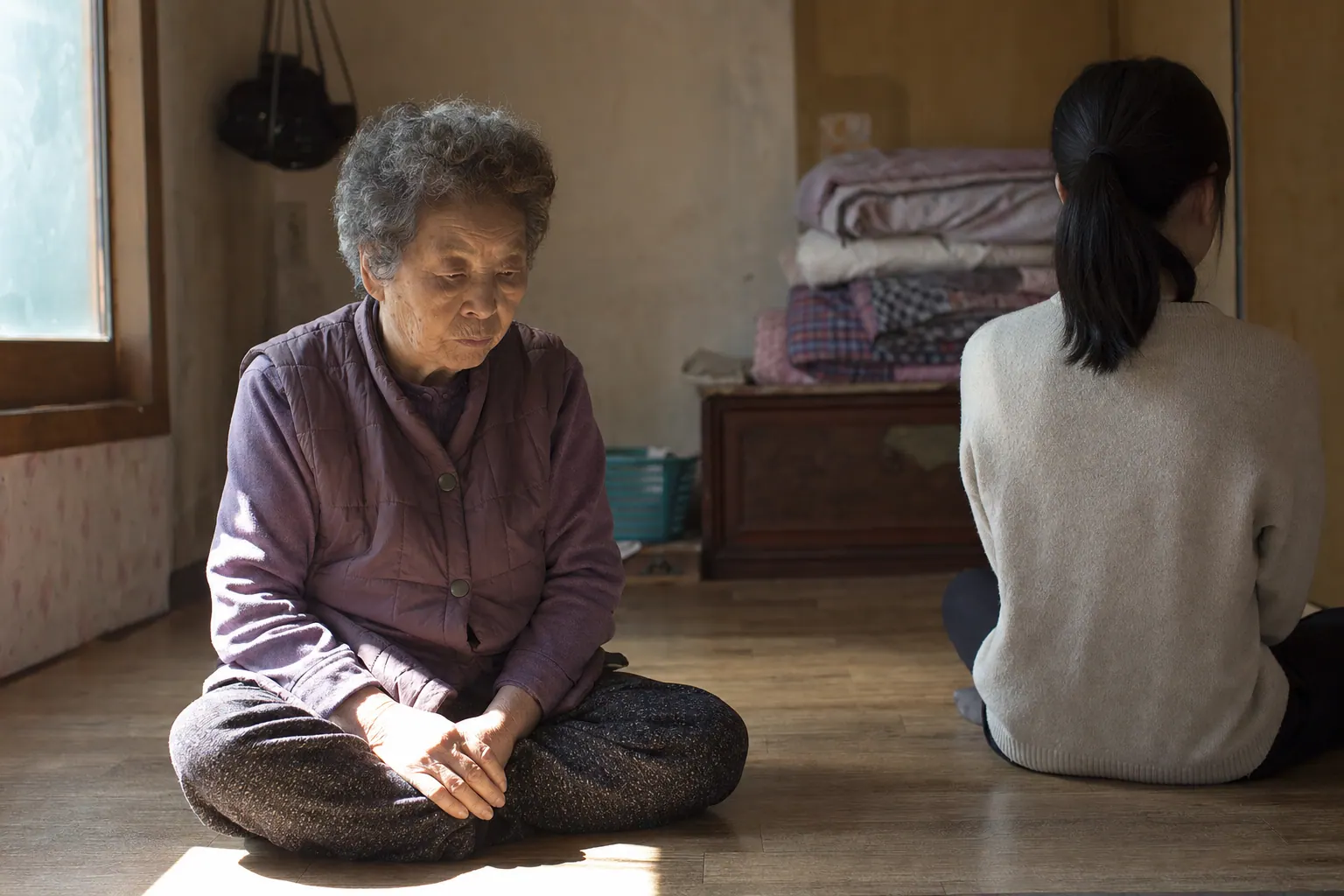
The strongest contrast in Our Blues sits between a character who understands how little time remains and the younger ones who assume time is endless. The dying mother acts with a clarity the teenagers cannot yet afford, because she has stopped bargaining with the future. Placing these two next to each other reveals something the youthful storyline alone would keep hidden, that urgency is not panic but honesty about limits. Readers who arrive certain they have decades to postpone a decision often leave a reading understanding that the postponement was itself the decision. Knowing your season does not remove the limit. It asks you to spend inside it on purpose.
On the Scene · What Comes Through the Door
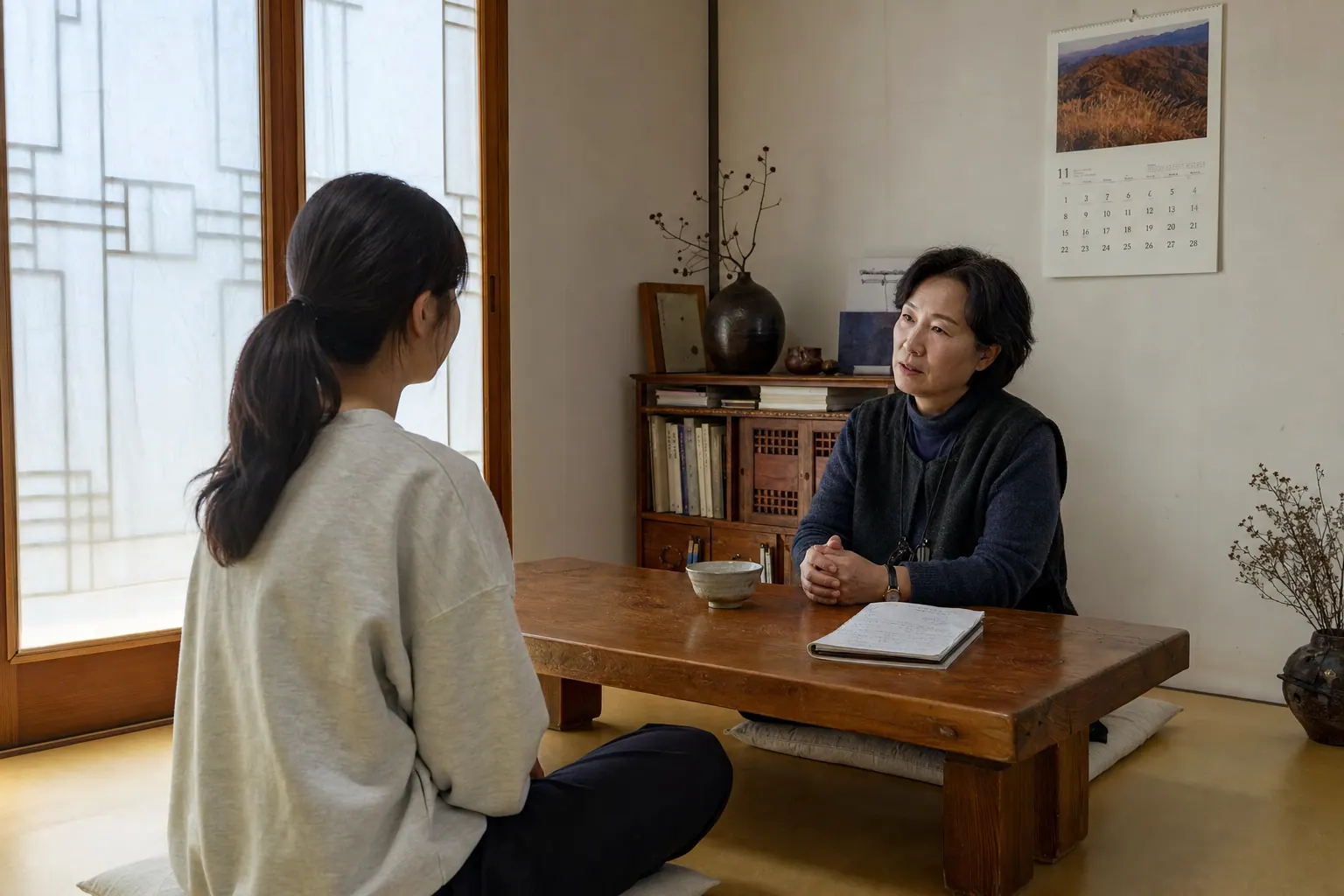
Two patterns arrive again and again, and they are worth describing in full because they carry most of what people are really asking. The first is the person at a career or life crossroads who wants to step toward something quieter, a healing practice, a spiritual study, a slower kind of work, and who sits down half braced to be told it is a mistake. Roughly one in six readings this season follows this shape. They describe the pull toward rest as if confessing to laziness. What the chart usually shows in these cases is not a warning against the turn but a season that has already closed the door they are still knocking on. The old ambition is not being punished, it has simply run out of fuel for now, and the body often confirms this before the mind will admit it. The hard truth we say out loud is that the detour they fear is frequently the main road, and the thing they call the main road is the one that would break them if they forced it. These readings tend to end not with relief but with a kind of tired permission, which is the more useful feeling. The second pattern is quieter and heavier. Someone comes carrying a health challenge, either their own or a diagnosis in the family, and they want to know what the coming years hold, though the real question underneath is whether it is still worth planning at all. Here we do not pretend the reading can lift the illness or promise recovery, because that would be a lie and they would know it. What we can do is name where the steadier stretches sit, the months where energy returns enough to matter, the seasons better suited to repair than to expansion. Many of these readers have been living as if the future were canceled, and the work is to show them that a narrowed future is still a future with shape and choices inside it. The plainest thing we tell them is that uncertainty about the body does not empty the years ahead of meaning, it only changes what those years are for.
Endings That Are Not Failures
Our Blues treats its closings, a business ending, a relationship ending, a life ending, without the panic that usually surrounds those words. By giving equal care to the last chapter of a story and its first, the drama makes a point that a triumph-only narrative cannot, that an ending arriving on time is not a defeat. Readers often mistake a season of conclusion for proof they did something wrong. The chart tends to say otherwise. Some years are built for finishing, for letting a phase close cleanly so the next one has room, and the people who resist this are usually the ones who suffer longest. A well-timed ending is one of the kindest things a season can offer.
If you are standing at your own crossroads this season, unsure whether the slower path or the healing path is a retreat or a direction, know that the calendar of a life is wider than the years that look productive from the outside. Naming a hard truth is not the same as delivering bad news. Often it is the beginning of relief. If you would like, you are welcome to send your birth moment and sit with us for a quiet reading, and we will look together at what your particular season is actually asking of you, without dressing it up.
If this sounds like you
Read your own timing.
Start with a free mini reading. When you want the full picture, a certified Saju master writes your complete Four Pillars report.