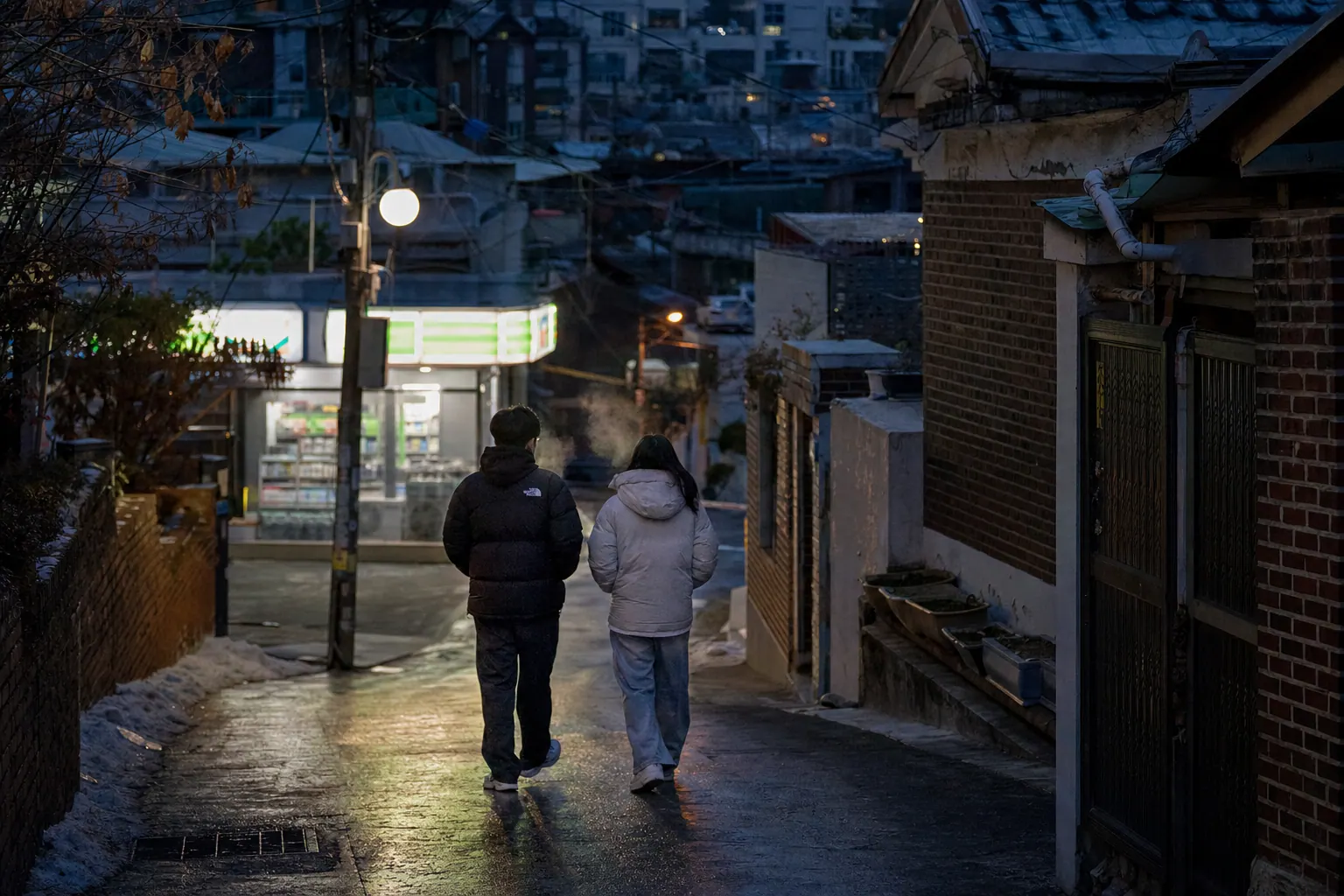
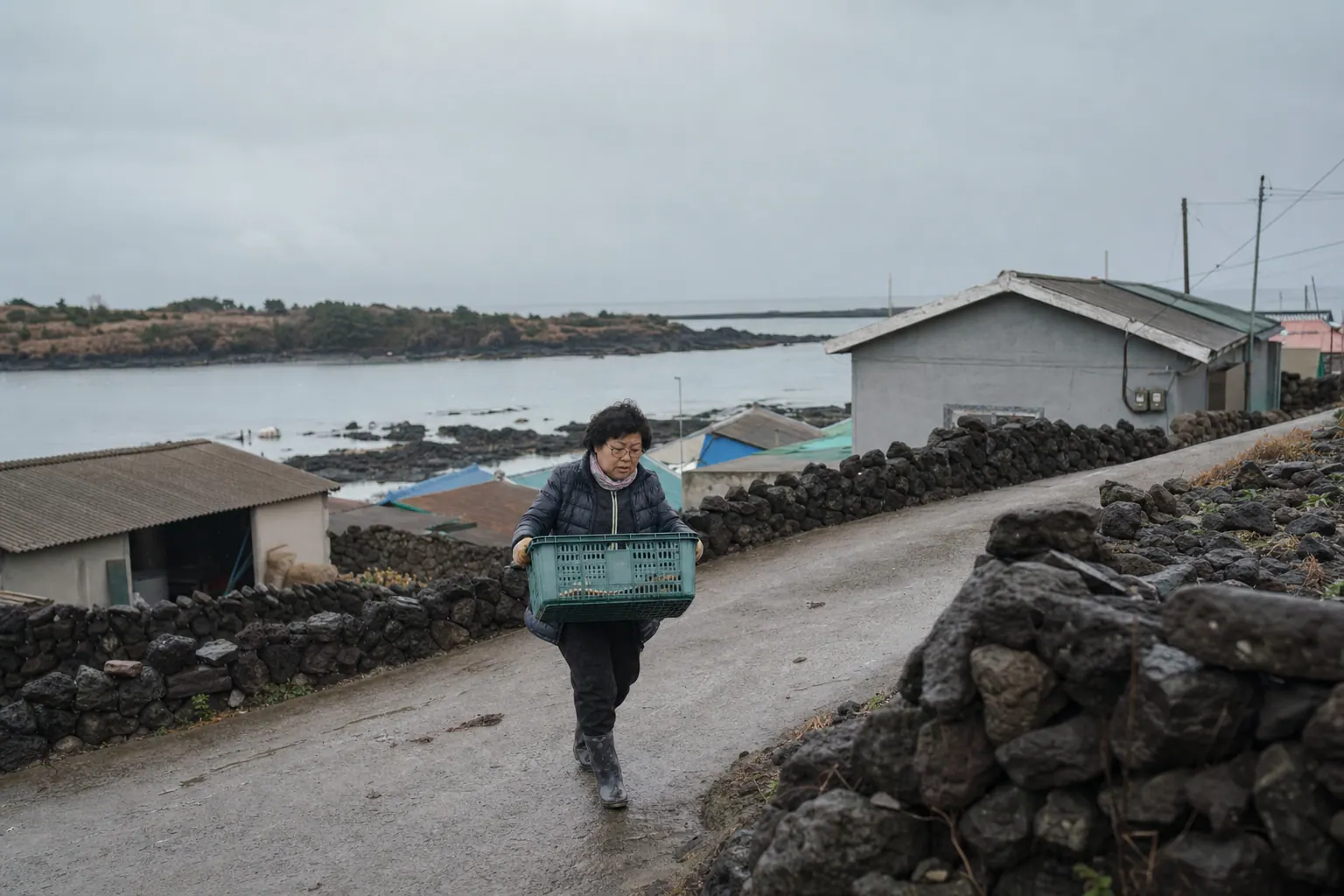
The three years Koreans quietly brace for
An older relative says the word samjae and the table goes still. It is not superstition doing the work. It is a reading of timing.
From the editor
At a family dinner someone older mentions samjae, and for a second the table goes still. A cousin who was about to sign a lease pauses. Somebody laughs it off, and somebody else does not. Dramas know this hush. Goblin built a whole romance on the idea that the same meeting at the wrong time is a wound and at the right time is a rescue. Nobody at the table quite explains why the word carries weight, only that it does. This issue is about the reading underneath the reflex.
Under the folk name
Under the folk name is a piece of ordinary Saju timekeeping. Saju, the Korean practice of reading a life from the moment of birth, tracks time in cycles, and samjae (삼재) is one of them. It is a stretch of three years tied to the animal branch you were born under, a window where the current tends to run against you rather than with you. It is not a curse aimed at one person. It is closer to a forecast, a note that the footing is looser than usual and the wind is coming from an awkward direction.
On the Scene · Why the table goes quiet
Read it that way and the still table makes sense. The older relative is not frightened. They are adjusting, the way you slow down on a road you know ices over. The pause before the lease is not paralysis, it is a person deciding whether this is the season to plant something heavy or the season to keep things light and reversible.

It is not fear on their faces. It is postponement, a quiet preference for the plan you can undo.
The three years have a shape
The three years even have a shape. There is the year it arrives, the year it sits in the middle and weighs the most, and the year it thins out and leaves. People who take it seriously do not stop living. They tend to move big irreversible things, a launch, a large purchase, a hard confrontation, toward the far edge of the window rather than the center.
The reflex, not the belief
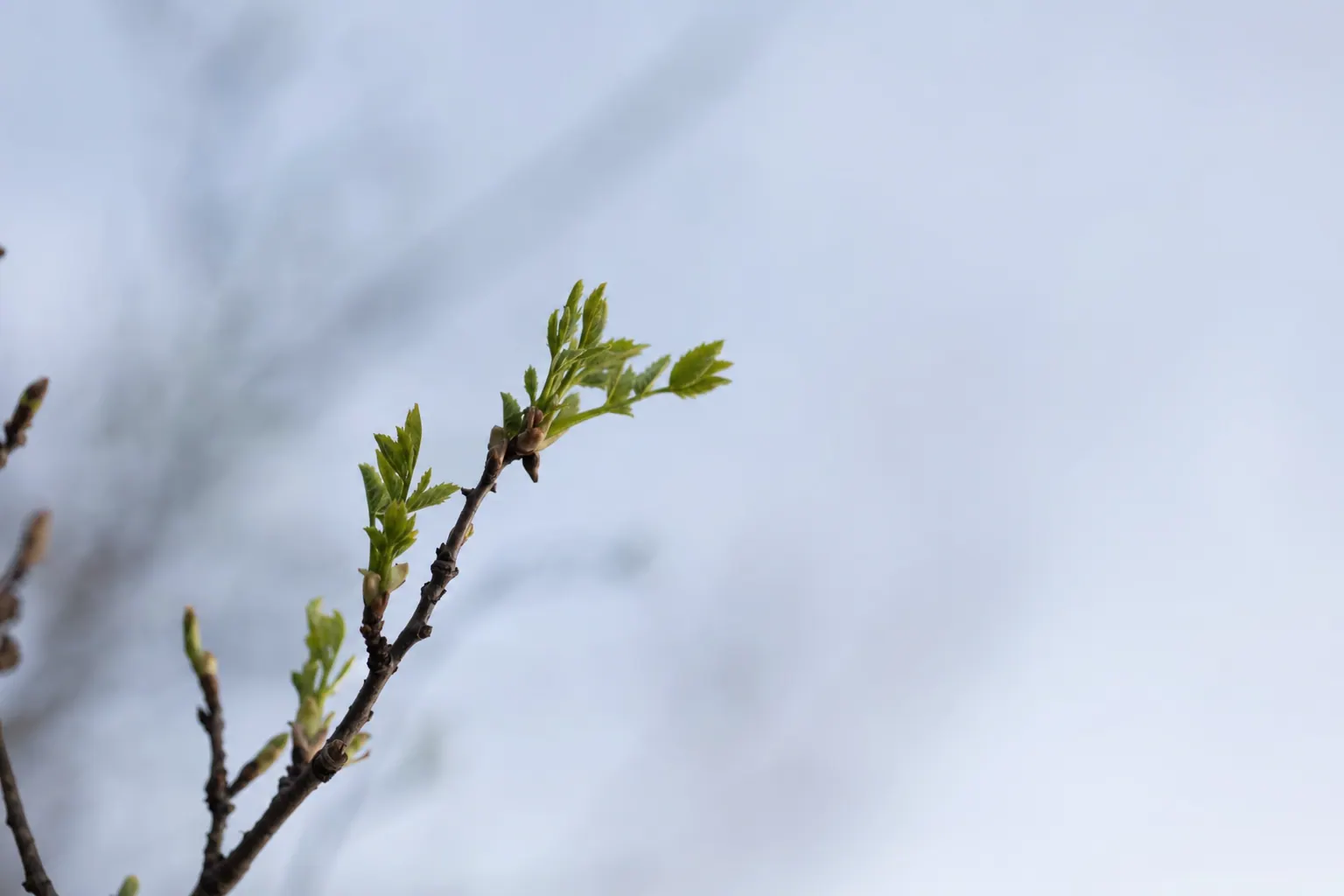
What is striking is less the belief than the reflex around it. A culture that lived through enough uncertainty learned to treat caution as a form of respect for timing, not weakness. Younger people who would never call themselves superstitious still feel the pull of it, because underneath the folklore is a plain idea, that some years are for building and some are for holding steady, and mistaking one for the other is expensive.
If a stretch ahead has been making you want to slow down without quite knowing why, it can be worth seeing where you actually stand in the cycle.
If this sounds like you
Read your own timing.
Start with a free mini reading. When you want the full picture, a certified Saju master writes your complete Four Pillars report.