The Second Job Is Not a Lesser One
On changing work at twenty-nine or at seventy, and what a birth chart can and cannot say about when to begin.
From the editor
This issue is about the other career: the work people do instead of, after, or alongside the job they first planned. In the readings we give, this question rarely arrives alone. Someone asks whether they should leave accounting, and ten minutes later they are asking whether the person they live with will understand, and whether their knees will hold up at sixty-five. We have stopped treating these as separate questions. In Saju, the Korean practice of reading a life from the birth moment, work, partnership and health are all read from the same eight characters, so it is natural that they come up together. Nothing in these pages tells you to quit anything. We look at how people decide, at two Korean dramas that treat the question with care, and at what we hear most often across the table. Read it slowly. There is no hurry in any of it.
Navillera and the Known Limit
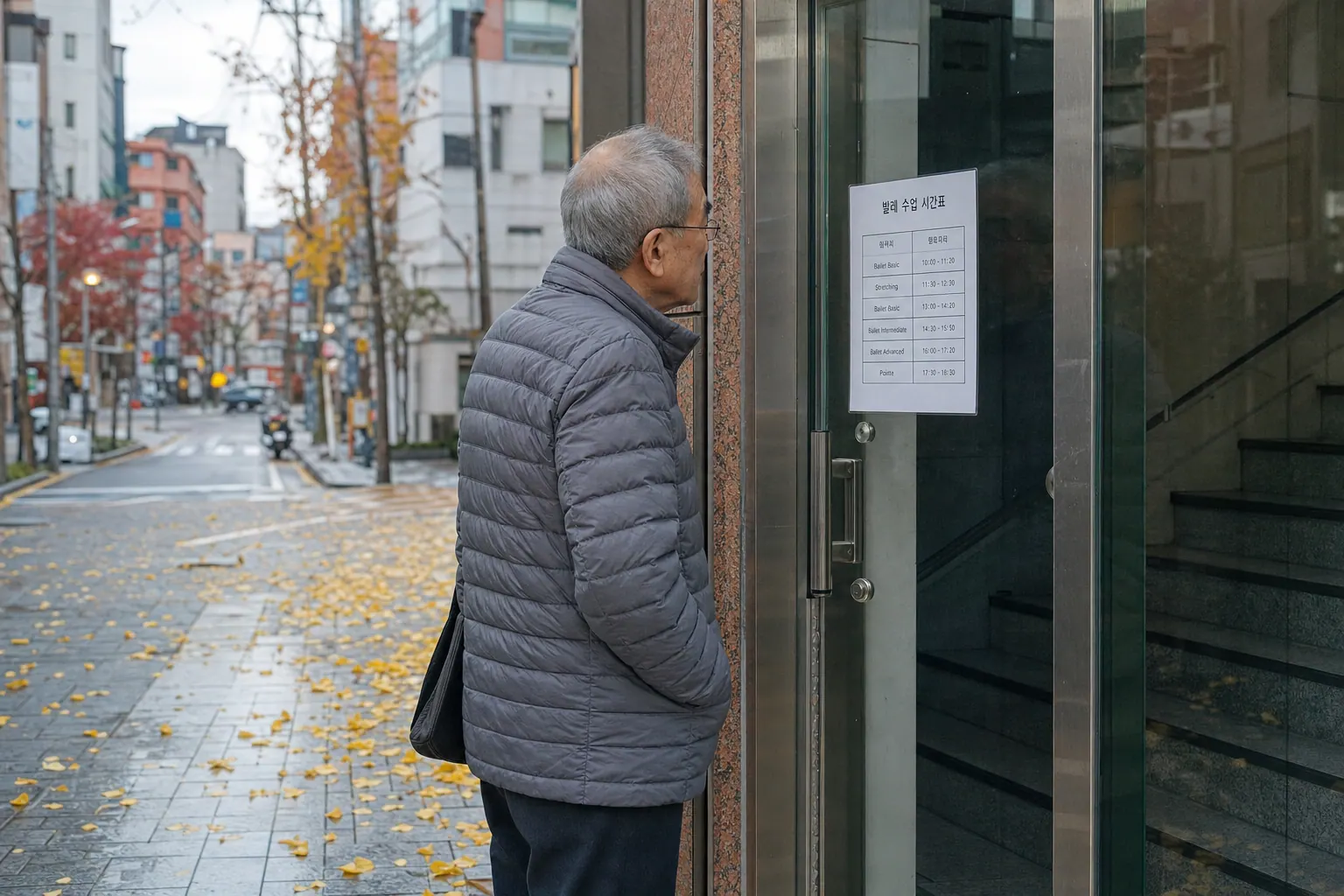
In Navillera, Shim Deok-chul begins ballet at seventy after a working life as a mail carrier, and the drama tells us early that his memory is failing. He knows his time to learn is short, and the show never pretends otherwise. What it shows instead is that a known limit can make a decision easier. Once he accepts that the years are few, the question stops being whether it is too late and becomes what he can still learn in the time he has. Readers in their fifties and sixties often arrive asking the first question. The second is the one that leads somewhere.
Fight for My Way and the Wait Without a Date
Fight for My Way follows Ko Dong-man, a former taekwondo athlete, and Choi Ae-ra, who once wanted to be an announcer and now works at a department store information desk. They are in their late twenties and have, in theory, decades ahead. Set beside Navillera, the contrast is plain. The seventy-year-old who knows his time is limited moves quickly, while the younger pair, with no deadline at all, keep postponing. Deok-chul's premise reveals what theirs hides: without a date, the cost of not starting stays invisible. That hidden cost is the one we see most often in readers under thirty-five.
A chart can show which years favor a change. It cannot make the decision to start.

What the Ten-Year Cycles Actually Say
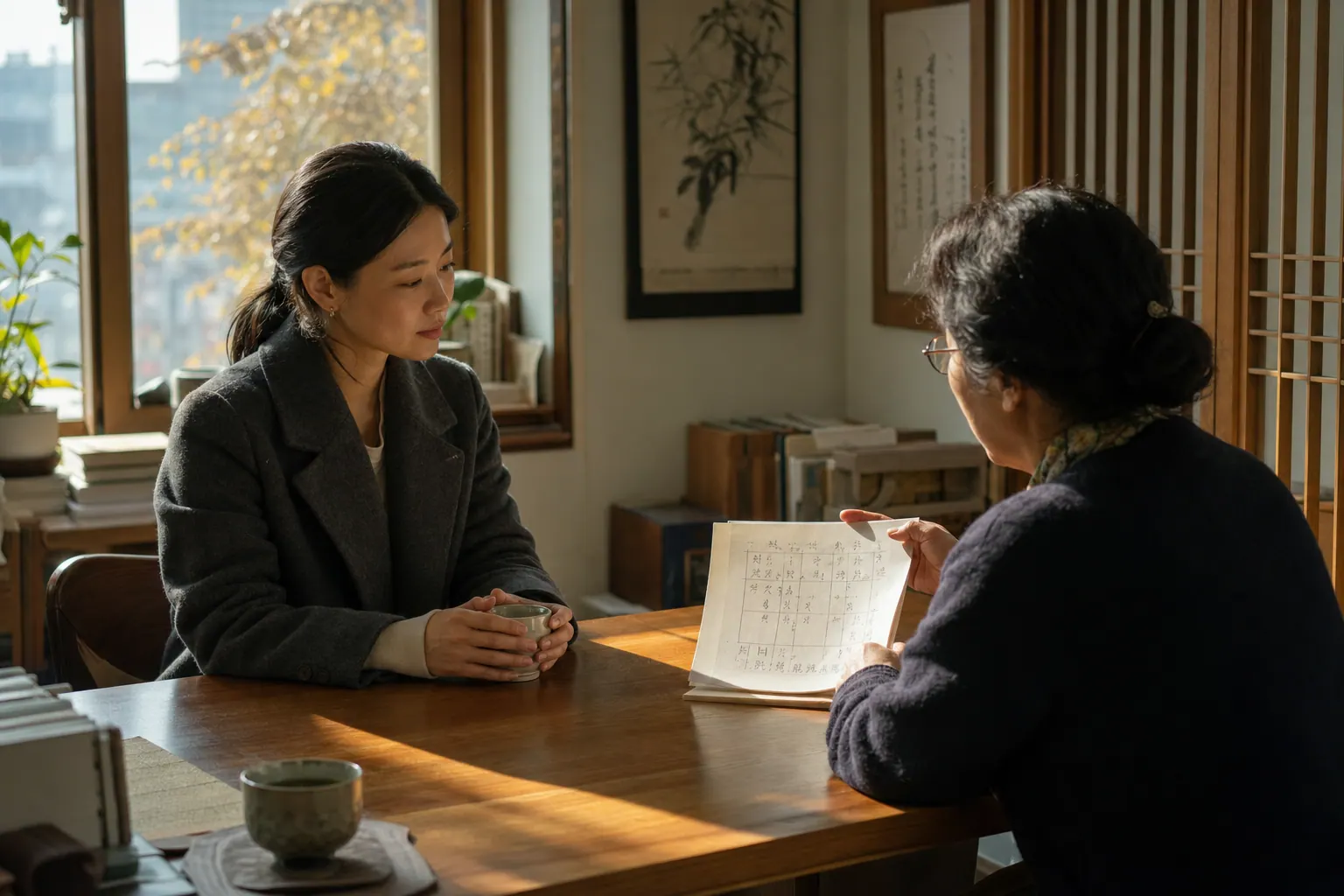
Saju reads work mainly through two groups of stars. The officer stars, gwan, relate to employers, titles and rules. The output stars, siksang, relate to craft, skill and what a person makes with their hands or voice. Life is also divided into ten-year luck periods called daeun. When a period shifts its emphasis from officer to output, people often grow restless in salaried roles. In these terms, Deok-chul's ballet is an output choice made late, and Dong-man's long delay is an output strength that has not yet been put to use. The cycles indicate when a change is more likely to last. They do not decide for you.
On the Scene · Across the Table This Season
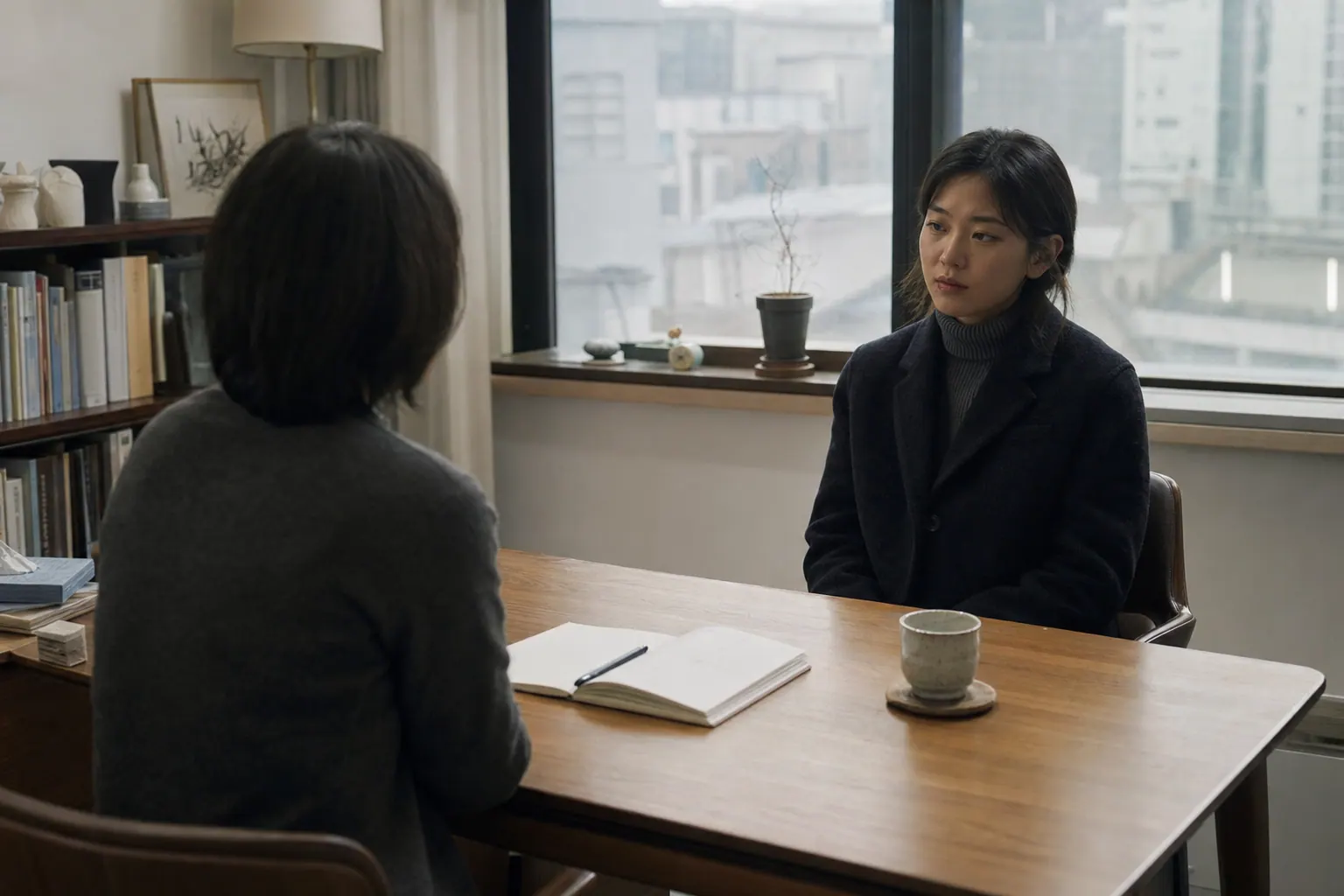
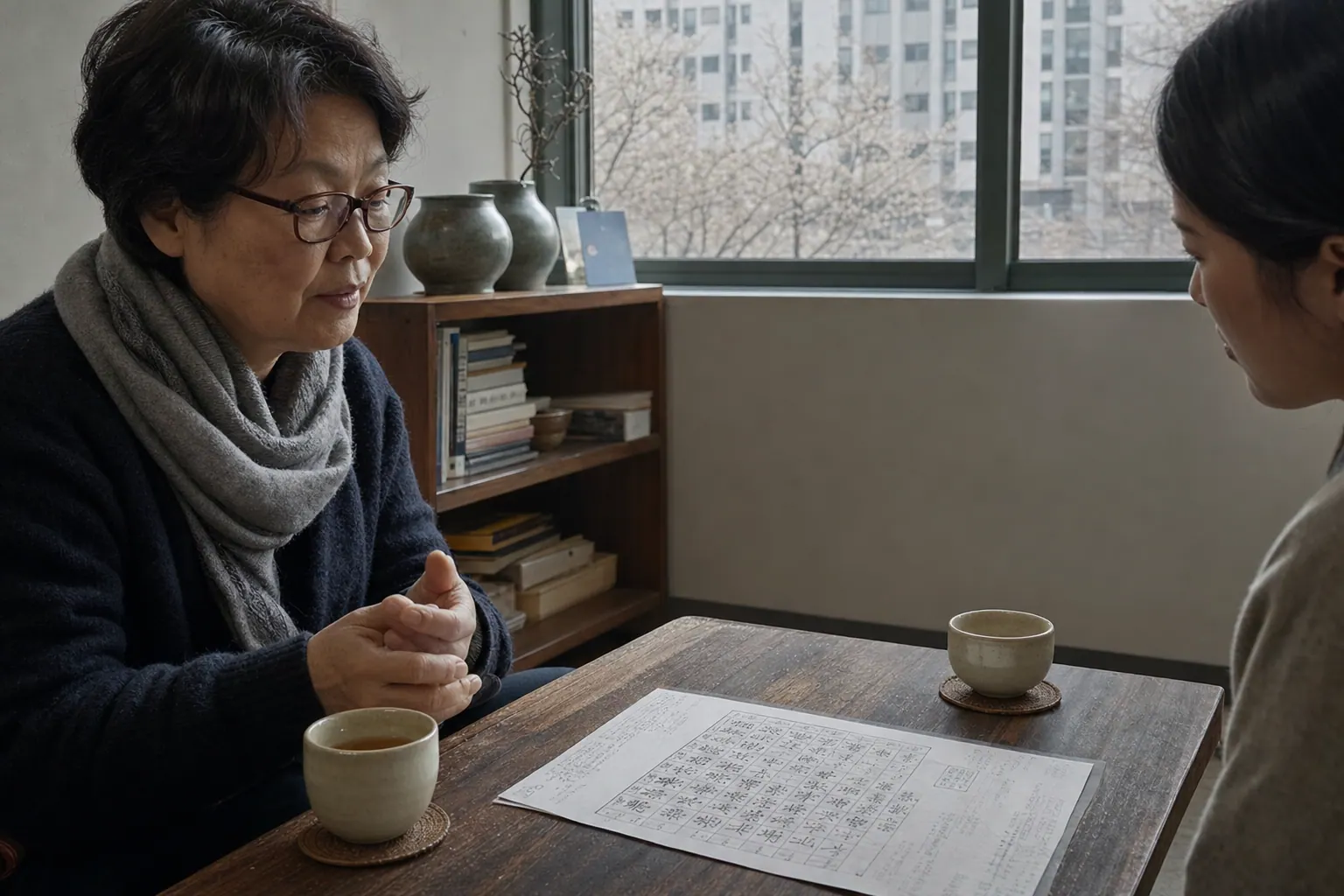
The first pattern appears in roughly one in six readings. The person is usually between thirty-two and thirty-eight and holds a stable position in a bank, a ministry office or a large company. Their chart tends to show strong output stars, and their luck period either changed in the past two years or will change within the next two. They open with a direct question about whether to resign. Within a quarter of an hour, the conversation usually turns to a partner who relies on the second income, and then to a fear of being unemployed at fifty with no savings. One composite we see often is a tax accountant in her mid-thirties who wanted to become a furniture maker. She did not need permission so much as a timetable. We looked at the years when her output stars were most active and suggested she spend the year before that period taking weekend classes while keeping her salary, and that she tell her partner before enrolling rather than after. People in this group rarely regret a measured trial year. More often they regret announcing a large decision at home without warning, so we spend as much time on that conversation as on the chart itself. The second pattern comes up in perhaps one in ten readings, and it has grown more common over the past few years. These readers are over fifty-five, recently retired or close to it, and they ask whether it is foolish to start something new. Their questions about work are almost always tied to questions about health and about whether a spouse will mind them being away from home three mornings a week. A typical case is a retired man who wants to train as a baker, or a woman who wants to qualify as a care worker after years of raising children. In many of these charts, the later luck periods favor study and resource stars, which suits learning a skill from the beginning. We are careful about health. A Saju reading can point to which elements and organs need attention in a given decade. It does not predict how long anyone will live, and we say so plainly. What we usually suggest is to start small and judge progress season by season rather than week by week. Like Deok-chul, these readers tend to move once they stop asking whether they are too old and start asking what fits into the years ahead.
Whatever your age, the question of other work tends to come back more than once in a life, and it usually returns alongside questions about the people you share that life with. You do not have to answer it this month. If you would like us to look at your own ten-year cycles and the years that favor a change, send your date, time and place of birth and we will prepare a short reading at no cost. Take it as one more piece of information, and decide in your own time.
If this sounds like you
Read your own timing.
Start with a free mini reading. When you want the full picture, a certified Saju master writes your complete Four Pillars report.