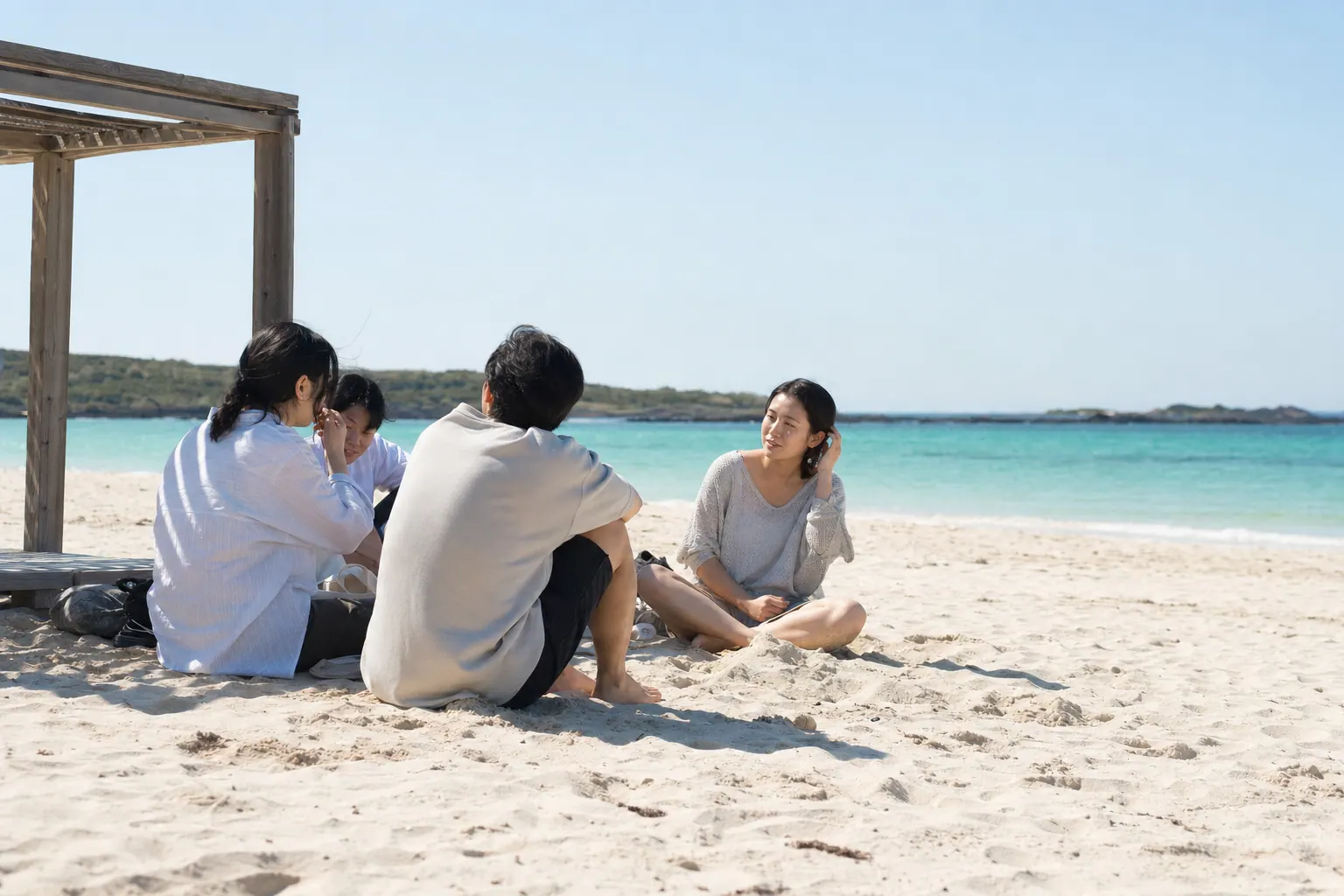
When, Exactly?
On the oldest single question, meeting someone, read with a light hand and a straight face.
From the editor
The letters arrive in nearly identical phrasing every season. Not whether love exists, which nobody seems to doubt, but when it will finally show up at a particular door, and whether it plans to stay once it does. The readers who write to us are rarely dramatic about it. They are tired of the question at family dinners, tired of the apps, tired of the polite assumption that being single is a clerical error waiting to be corrected. Saju, the Korean practice of reading a life from the birth moment, does not hand anyone a date on a calendar. What it can do is describe how a person tends to meet others, and what they tend to do once they have. This issue takes that seriously while keeping a light touch, since the subject earns both.
Naming the Goal Out Loud
I Am Solo (나는 솔로) puts ordinary people in a shared house and states the purpose plainly, that everyone present wants a marriage partner and nobody is pretending otherwise. Single's Inferno (솔로지옥) strands its cast on an island and wraps the same wish inside a game about who gets to leave together, so the hunger to be chosen arrives dressed as escape. Set side by side, the first show admits that wanting marriage is the entire point, while the second reveals how much most of us prefer to look busy with something else while we want it.
On the Scene · Two Ways of Waiting
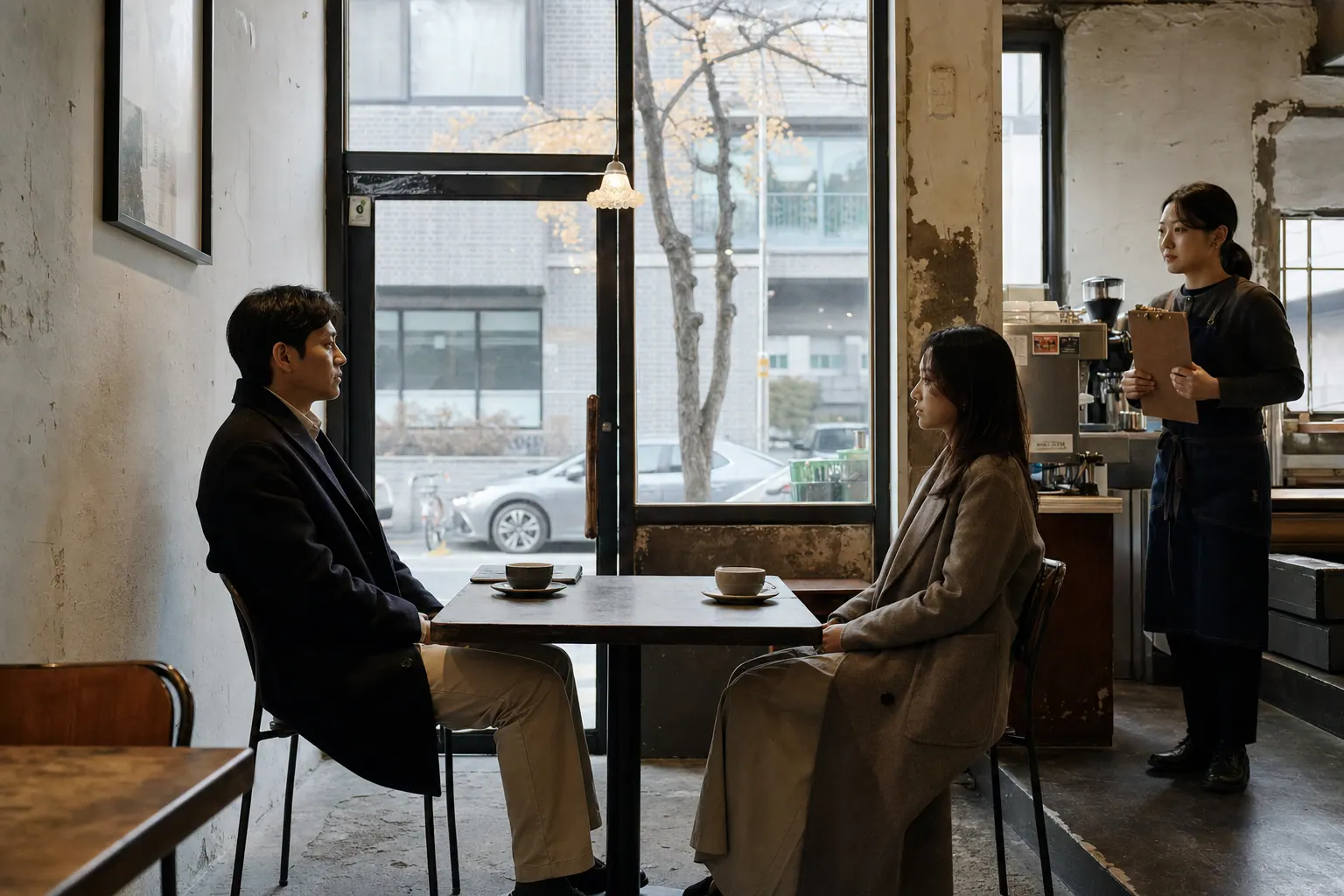
Roughly one in six readings this season carries the meeting question, and the people who bring it tend to fall into two patterns that look opposite and rarely are. The first is the reader who meets plenty of people and keeps none of them. Introductions are not the problem. Second dates are not the problem. Somewhere around the point where a person would have to be seen without their good manners on, the reader finds a reason to step back, usually a small honest reason that is also, conveniently, always available. In the chart these readers often carry strong self-direction and a sharp eye for what is missing in another person, which serves them well at work and quietly against them at dinner. They are not afraid of company. They are afraid of the ordinary disappointment that follows once someone stops being new, and so they leave first, on schedule, and call it standards. The reading here is not about attracting more people. It is about staying in the room past the moment the shine wears off. The second pattern is the reader who meets almost no one and has built a life that runs beautifully without help. The days are full, the finances are steady, the weekends are accounted for. When we look at the birth chart together, the seasons of openness are usually there, real windows when this person softens and reaches out, but they have spent years treating those windows as interruptions to a schedule that was working fine. They ask what their future partner will be like, and the more useful question, which surfaces slowly, is where in an already complete week a second person is even meant to fit. These readers do not need to be told that love is coming. They need to notice that they have quietly stopped leaving a chair empty, and to decide, on purpose, to leave one out again.
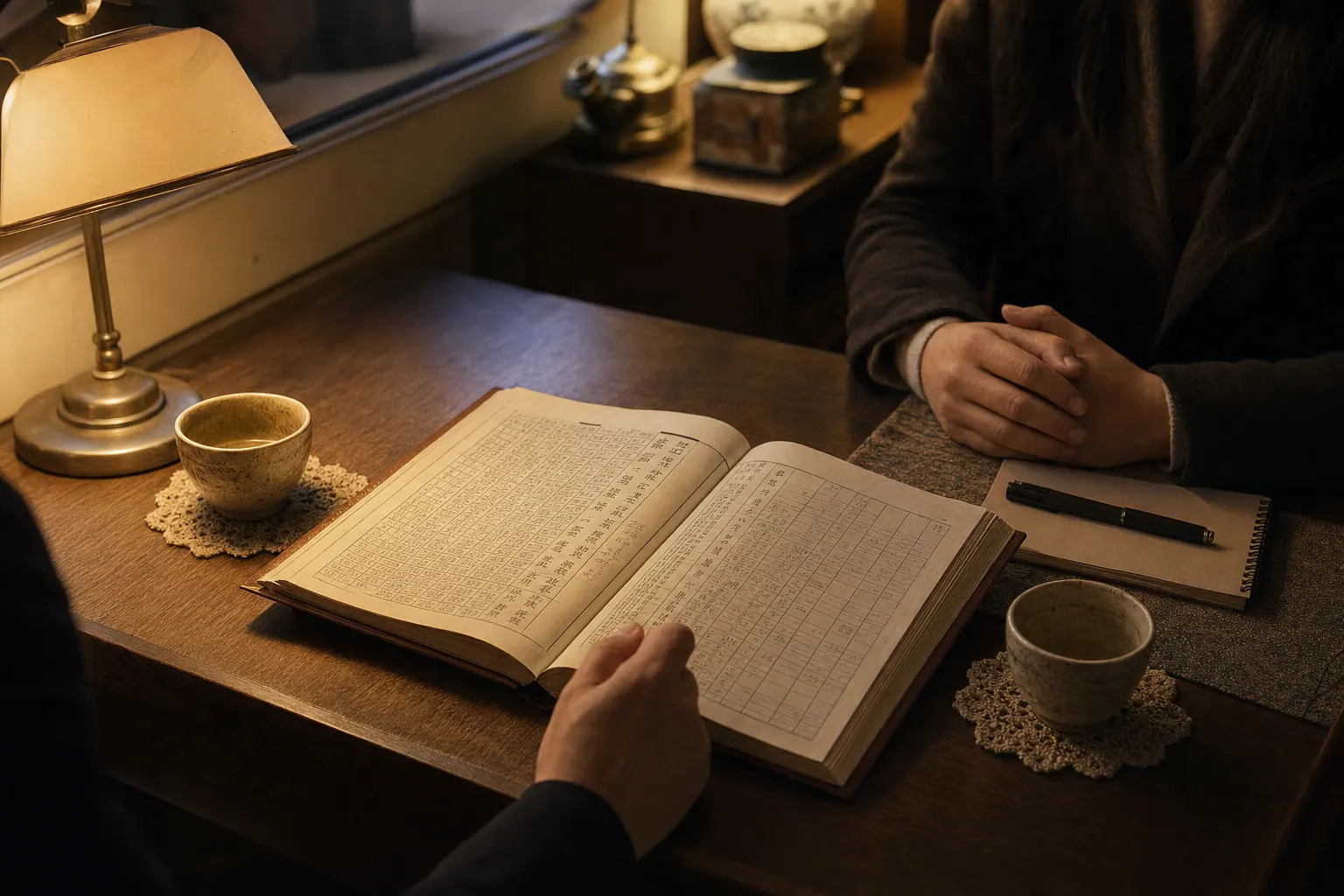
A chart can tell you the season you tend to meet people. It cannot make you answer the door.
A Question of Numbers
Couple Palace (커플팰리스) gathers a hundred single men and women and lets them pair off toward marriage, which takes the reader's private worry and turns it into open arithmetic. Where I Am Solo (나는 솔로) keeps its cast small enough to follow each hesitation, Couple Palace bets on volume, as if the answer to when were mostly a matter of getting enough people into one room. It is honest about something the reader half suspects and dislikes admitting. Meeting someone is partly a question of supply, and partly the willingness to keep showing up while the count runs.
The Part Nobody Rehearses
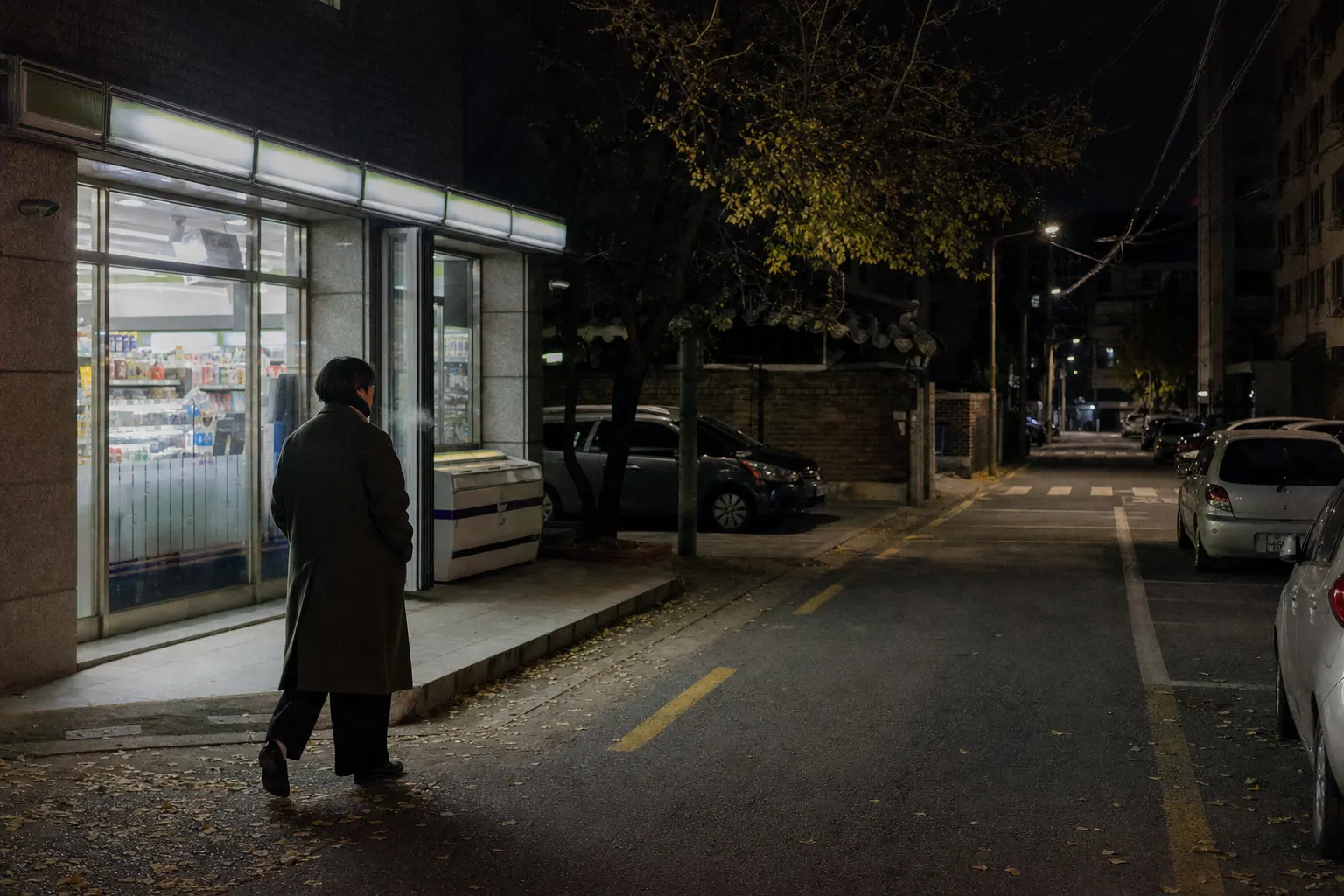
We Got Married (우리 결혼했어요) hands its pairs a shared home and a weekly assignment before they have earned any of it, and the footage that lingers is never the staged wedding but the small negotiations over who decides and who gives way. Couple Palace (커플팰리스) ends where the real question begins, and We Got Married picks it up, showing that the harder skill is not being chosen but staying good company on a dull Tuesday. Readers who ask what their partner will be like are often, underneath, asking whether they themselves will be easy to live with.
None of this settles the exact thing readers come for, which is a date and a name. Saju will give you neither. What a reading can offer is a clearer sense of when you tend to open and when you close, of the sort of person your habits keep steering you toward, and whether the marriage you picture actually matches the life you keep. That is less than a prophecy and more than a horoscope. If you have been carrying the when quietly for a while, you are welcome to bring it here, and we will read it with you, unhurried and without a stopwatch.
If this sounds like you
Read your own timing.
Start with a free mini reading. When you want the full picture, a certified Saju master writes your complete Four Pillars report.