When the Door Opens: Marriage Timing in a Life Read from Birth
On the patient question of when a lasting partner arrives, how often, and who, read slowly and without alarm.
From the editor
The letters that reach this desk about marriage tend to arrive with a quiet urgency underneath them. People rarely ask only when. They ask whether it will happen at all, whether they have somehow been passed over, whether the person is already late or has already come and gone. I want to begin by lowering the temperature of the question. Saju, the Korean practice of reading a life from the birth moment, does not treat marriage as a single locked gate that either opens on schedule or stays shut forever. It reads relationship as a set of seasons in a life, some crowded and some sparse, and it treats timing as a description of when those seasons grow warm rather than a verdict on your worth. This issue is written in that steadier voice. We will talk about how a reading speaks to arrival, to repetition, and to the kind of person who tends to stay. We will not pretend certainty where there is only tendency. If you are reading this while counting years, I hope the pages slow your counting a little.
Arrival Is a Season, Not a Deadline
The most common misreading of marriage timing is to imagine a fixed year printed somewhere in the chart, waiting to be discovered. A more honest reading looks for the stretches when relationship energy rises and settles rather than a single dated appointment. Some lives show that warmth early and briefly, others show it arriving late and holding steady for decades. Neither pattern is a reward or a punishment. When someone asks whether marriage is destined for them at all, the useful answer is usually that the capacity is present and the favorable seasons are simply spaced differently than they hoped. The reader's task is to name which years lean toward partnership and which years lean toward solitude, so the person stops treating every quiet month as a failure.
How Many Times, and Why the Question Frightens
People often lower their voice when they ask whether they will marry more than once, as if the reading might expose a flaw. What a chart can suggest is repetition or instability in the relationship area, and this is not the same as a promise of loss. A pattern that points toward more than one significant union usually points toward a life that keeps its capacity for love intact across change, not toward a person who fails at it. Read carefully, the same configuration that hints at a second chapter also hints at resilience. The question that frightens the client is frequently the one that, once explained plainly, brings the most relief.
Timing in a reading describes when the season turns warm, not whether you deserve the spring.
The Kind of Person Who Tends to Stay
Readers are often asked to describe the future partner, and the honest description is a temperament rather than a face. A chart can lean toward a partner who is steady and practical, or one who is bright and restless, or one who arrives from far away or from an unexpected part of your life. What matters for lasting partnership is less the type and more the fit between what the reading shows you drawn toward and what you actually choose in daily practice. Many people are pulled by one temperament and stay with another. Naming that gap, gently, is often more useful than naming a stranger's traits, because it returns the decision to the person sitting at the table.
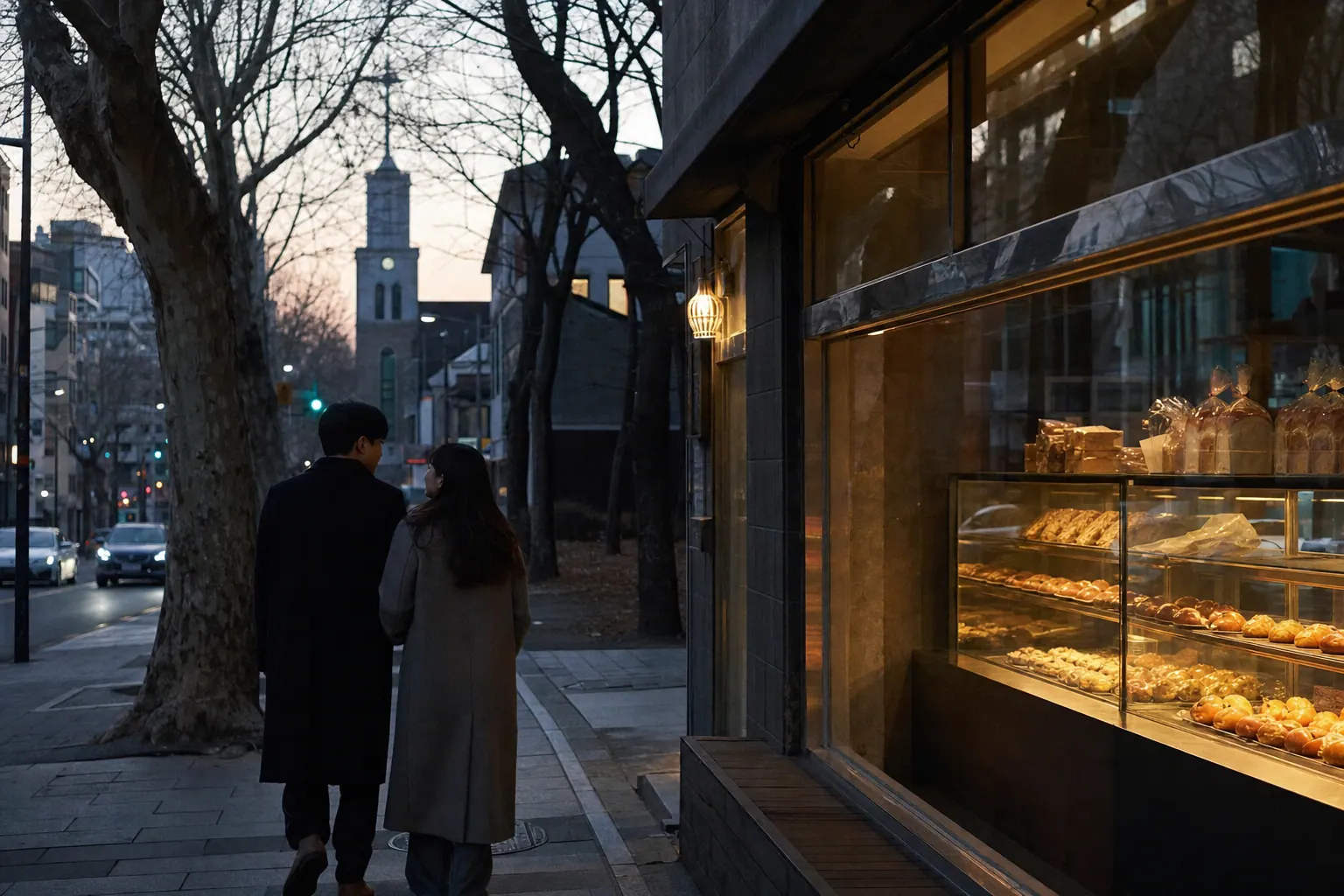
On the Scene · From the Consultation Room
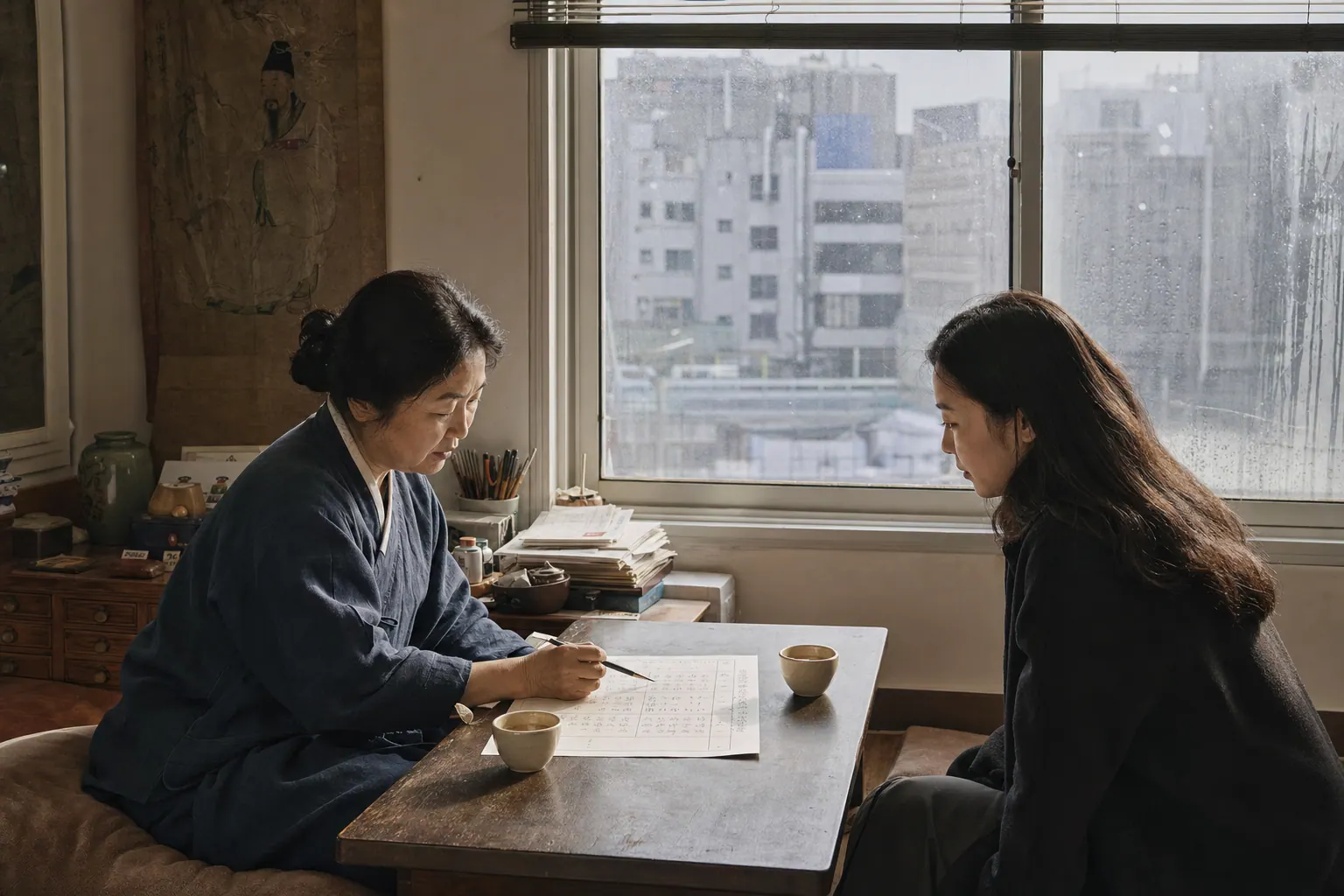
Two patterns arrive at this desk often enough that I can describe them without pointing at any single person. The first is the client, usually in their middle thirties, who has done everything correctly by their own account and cannot understand why marriage has not followed. They speak quickly, they have a list of former relationships that ended for reasonable and undramatic reasons, and they want the reading to tell them the year. When we look at the chart together, the relationship seasons are not absent. They are simply later than the culture around this person expected, and there was often an earlier warm stretch that passed while the client was focused elsewhere, on study or on family duty or on a move to another city. The relief in the room is real once they understand that a missed season is not a closed life, and that the reading points toward a favorable stretch still ahead rather than behind. Roughly one in six readings I give in a given month follows this shape, the anxious counter who is not late but early to worry. The work is mostly to slow the counting and to name the coming season plainly, so they can stop treating patience as defeat.
The second pattern is quieter and takes longer. This is the person who has already married, or already loved deeply and lost it, and who comes not to ask when but whether it can happen again without ending the same way. They are careful with their words and they watch my face for judgment. Their charts frequently show that repetition in the relationship area I described earlier, and the temptation is to read that as a warning. I have learned to read it instead as evidence that the capacity for attachment survived the first chapter. With these clients the conversation turns toward what they choose rather than what befalls them, toward the gap between the temperament they are drawn to and the one that has proven steady beside them. They tend to leave the room walking more slowly than they entered, which I take as a good sign. The reading did not hand them a date. It handed them back the sense that their own history was not a disqualification.
If you came to these pages counting years, I hope you leave counting a little less. Marriage timing in a reading is a description of seasons and tendencies, offered so you can meet your own life with more patience and less alarm. It does not overrule the choices you make at the ordinary table where love is actually kept. Whenever you feel ready, and only then, you are welcome to sit down for a free reading of your own chart, and we will look at your seasons together, slowly and without any hurry.
If this sounds like you
Read your own timing.
Start with a free mini reading. When you want the full picture, a certified Saju master writes your complete Four Pillars report.