Leave Now, Leave Later, or Stay
On the hard arithmetic of changing careers, and what Saju can and cannot promise about the timing of a move.

From the editor
Most of the questions that reach this desk are the same question wearing different clothes. Should I stay in the work I have, or leave it for the field I keep imagining. When is the right time. Will the new road be steadier than the old one. I want to be plain with you before we go further, because kindness that avoids the truth is not kindness. Saju, the Korean practice of reading a life from the birth moment, does not hand you a guarantee that the next job will make you happy. It was never built to sell reassurance. What it can do is show you the shape of a season, whether the ground beneath a change is firm or shifting, and whether the restlessness you feel is a signal worth acting on or a mood that will pass. This issue is written for the person standing at that edge, resume half finished, resignation letter unsent. I will not tell you the new direction is certain to reward you. I will tell you that the timing of a move matters as much as the courage to make it, and that reading the timing honestly is work you can actually do.
The Chart Does Not Promise the Landing
Misaeng: Incomplete Life follows a man who enters a corporate office with no diploma and no network, only a discipline learned from the game of Go. What the drama refuses to offer him is the thing every career reading is asked for, a promise that effort will be repaid on schedule. He works well and is still passed over. That refusal is the honest part. When a Saju reading looks at a career, it reads whether a period supports growth or asks for patience, but it will not certify that a good move ends in a good outcome. The chart can describe the season. It cannot sign for the harvest.
The chart can describe the season. It cannot sign for the harvest.
The Title Says It Plainly
The name Incomplete Life is not a mood, it is a verdict stated up front. In the world of that drama, no one arrives finished, and the office does not become a place where you finally do. This is worth holding against the fantasy that drives most career changes, the belief that the next role is the one where the striving stops. A career reading in Saju often meets people who expect the new field to complete them. The more useful reading tells them the incompleteness travels with the person, not the job. Timing a move well means moving toward better work, not toward an ending to the wanting.

On the Scene · From the Counseling Room
Two patterns arrive often enough that I have learned to recognize them before the person finishes the first sentence. The first is the one I would call the premature exit. This person is competent, usually mid career, and has decided the current field is the problem. They come in already certain, wanting the reading to bless a date they have half chosen. When I look at the chart, the difficulty is real but it is not the field, it is a stretch of years that would press on any work they did, a season of friction that follows the person rather than the desk. Roughly one in six readings I do for career questions fits this exactly. The hard thing to say, and I say it, is that leaving now often means carrying the same weight into a new place and calling it a fresh start. For these readers the honest counsel is not go or stay, it is wait through the pressed season where you already have footing, then move from strength rather than from exhaustion. Some of them do not want to hear it. A few write back a year later and say they were glad they stayed a little longer.
The second pattern is quieter and harder to catch, because the person does not present as restless at all. They come asking about something else, a relationship, a parent, money, and the career question surfaces sideways. These are people who have stayed too long in work that stopped fitting years ago, and they have made peace with a smallness that the chart says was never necessary. When I read the timing, the supportive season is right in front of them, sometimes already open, and they have been treating it as though the door were locked. This is the case where I stop softening. I tell them the risk they fear has less weight than the slow cost of staying. The move they keep postponing is the one the timing actually favors. It is a different kind of hard truth than the first, not slow down but you have been waiting for permission that was yours to give. Between these two, the premature leaver and the overdue stayer, sits most of the mail I receive.
Discipline Before the Leap
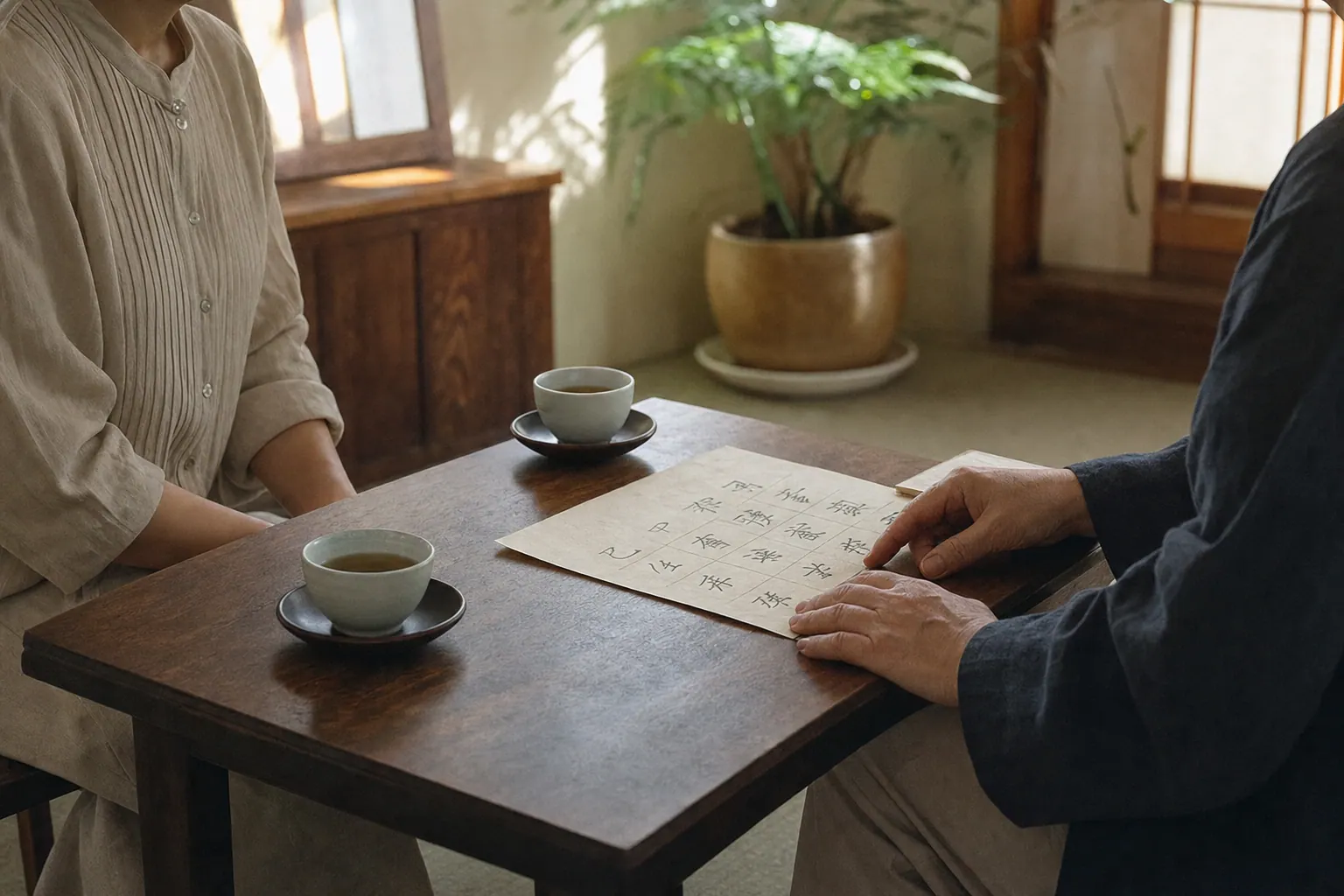
The one skill the protagonist of Misaeng: Incomplete Life carries from the Go board into the office is the habit of reading the whole situation before committing a stone. He does not move because he is impatient. He moves when the position asks for it. That is the closest thing to a method this issue can offer. A career reading is not a crystal ball, it is a way of asking whether the board is ready. The people who change work well are rarely the ones who leap hardest. They are the ones who learned to tell an open season from a closed one, and then acted without flinching once they were sure.
So here is the plain summary. If you are burning to leave, ask whether the fire is in the job or in the year, because the year moves with you. If you are quietly staying in work that shrank around you, ask whether the door you think is locked was ever locked at all. The timing of a career change is readable, not as a promise of success, but as a description of whether the ground is firm enough to build on now. If you are standing at that edge and want a second set of eyes on your own season, you are welcome to bring your birth moment and sit with it a while. We can read the timing together and name what it actually says, gently and without pretending it is more certain than it is.
If this sounds like you
Read your own timing.
Start with a free mini reading. When you want the full picture, a certified Saju master writes your complete Four Pillars report.